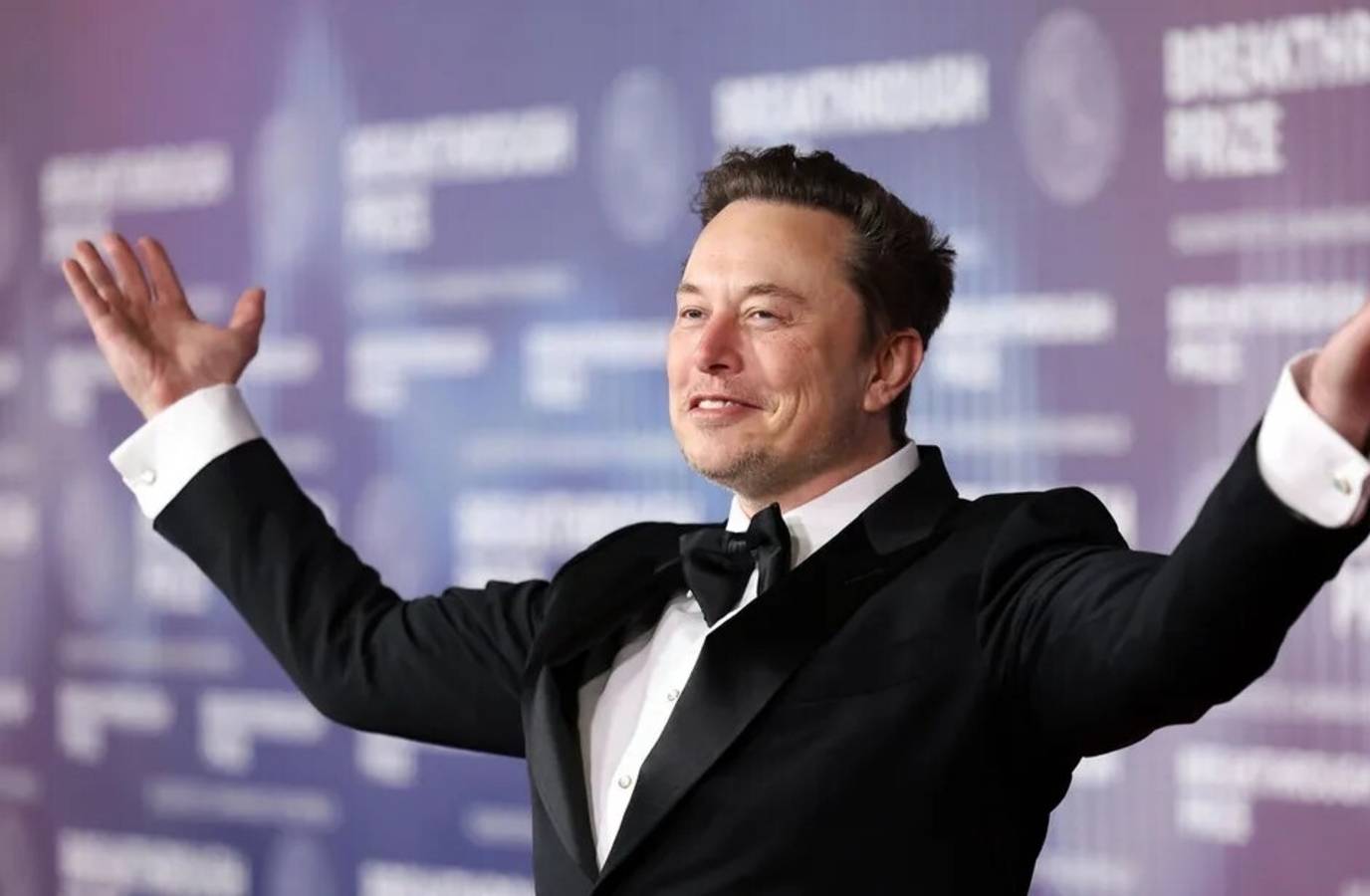
SpaceX made its public debut on June 12th, with Elon Musk ringing the Nasdaq's opening bell from the Texas headquarters. The sale of 5% of the company's shares raised $75bn, making it the biggest initial public offering of all time.
SpaceX's shares closed at $161, gaining 19% and taking the firm's value to around $2.1trn. Investors are betting on SpaceX's dominance in space, AI, and Mr Musk's ability to deliver.
The company's cheap, reusable rockets have made it the world's dominant space power, launching more than twice as much mass into orbit as every other company and country combined.
SpaceX's Starlink satellite constellation has already found success, providing internet access to over 12m customers, and is expected to grow further with a second, bigger constellation planned.
The company's lofty valuation depends on its plan to fly AI satellites, which would provide computing capacity to hyperscalers and make money from AI products.
While sceptics note that orbital data centres have never been tried, SpaceX has a history of doing the impossible, and its stock is expected to be included in several big indices, making it a punt for many investors.