The world is currently facing a war that has brought the global oil and energy trade to a near standstill due to the Strait of Hormuz being blocked by hundreds of ships.
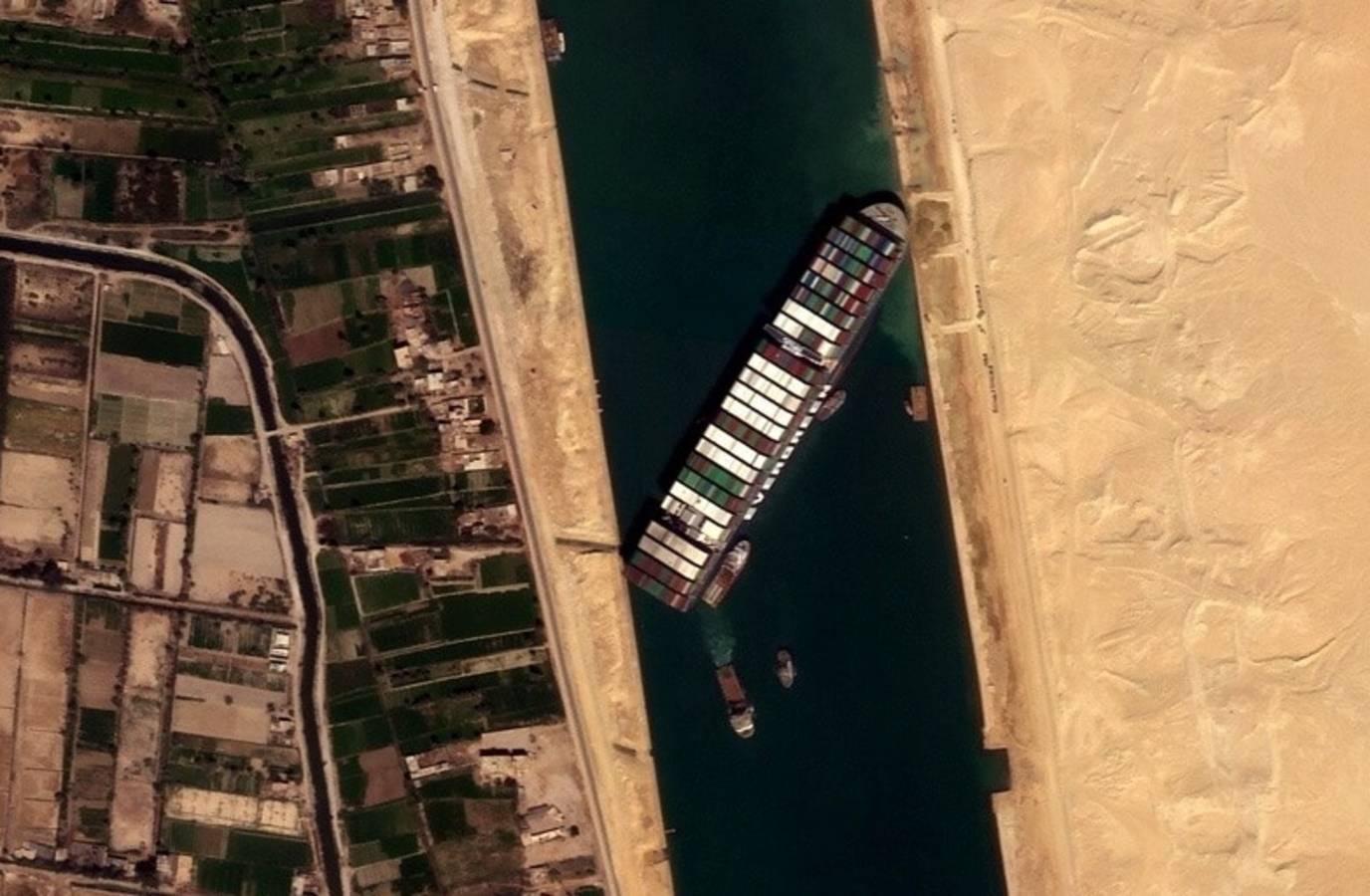
This situation is reminiscent of the 2021 Suez Canal logjam caused by the MV Ever Given, a Japanese-owned container vessel that got wedged across the canal for six days.
The blockade led to a global trade crisis and became a major talking point at the time.
On March 23, 2021, the 200,000-tonne Panama-flagged ship Ever Given got stuck diagonally across the Suez Canal, blocking maritime traffic at one of the most crucial trade routes.
The reasons behind the incident included strong winds paired with a sandstorm and high tailwinds, which led to the loss of maneuverability of the ship.
Efforts to refloat the ship were put in motion immediately but did not bear immediate results, leading to a traffic jam across the waterway.
After a week-long effort, nature intervened with the help of two high-powered tugboats and a tide, which helped refloat the ship by the sixth day.
The Suez Canal blockade held up $9.6bn worth of goods every day, highlighting the massive impact of maritime trade routes on global trade.
Now, five years later, the world is facing a similar crisis as the Strait of Hormuz remains blocked, crippling the world's oil, LPG, and other energy supplies.