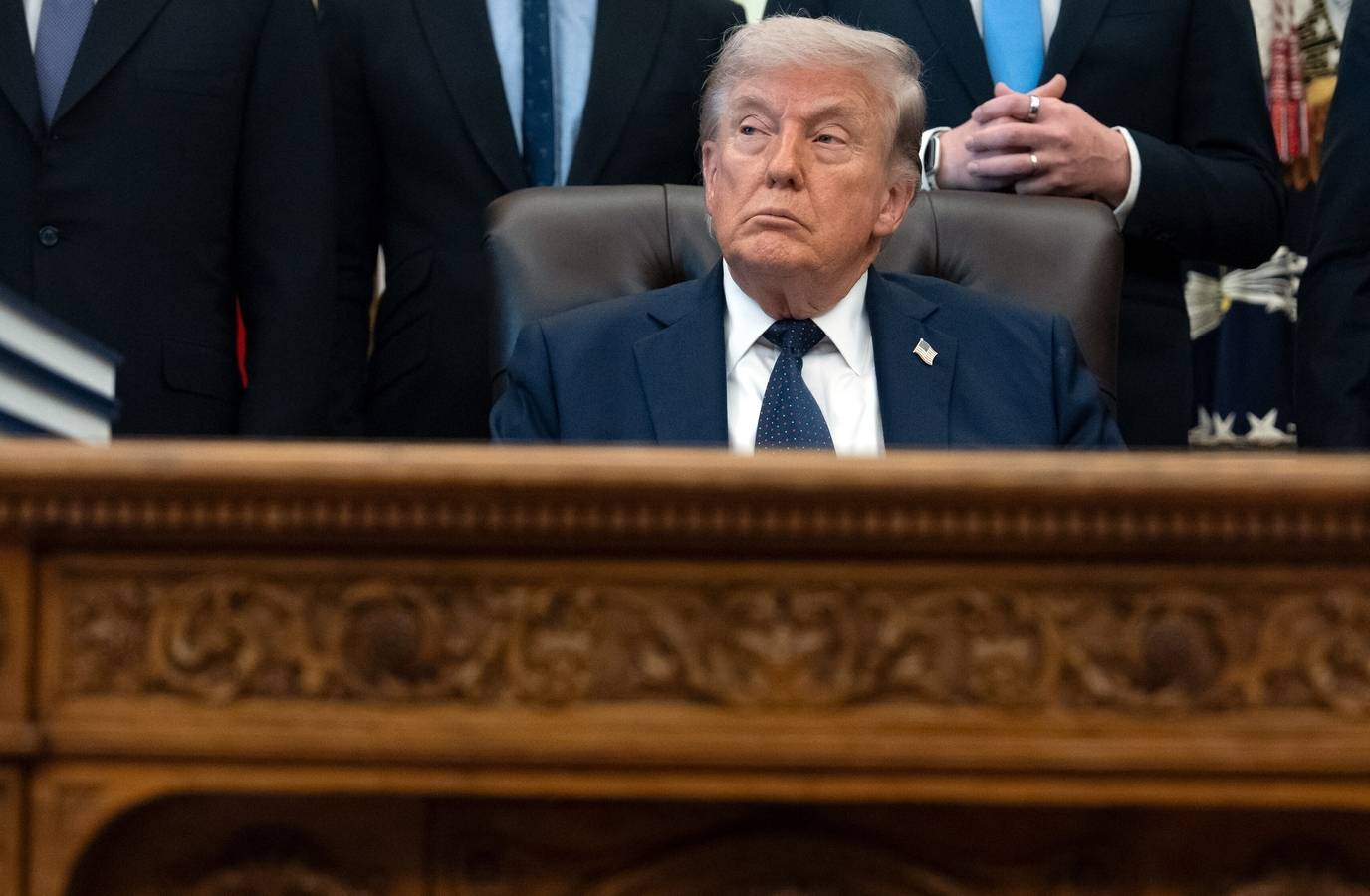
It began with a text message from a podcaster to the president. Joe Rogan extolled the benefits of ibogaine, a psychedelic drug, for treating opioid addiction. “Sounds great,” Donald Trump replied. “Do you want FDA approval? Let’s do it.” Within a week, on April 18th, Mr Trump signed an executive order that sent the share prices of psychedelics-makers soaring.
Among other things, it promised new funding for research into the field and instructed the Food and Drug Administration (FDA) to issue “priority vouchers” that will speed up the review of selected drugs.
It is a watershed moment for a field that has struggled for years. From the 1940s to the 1960s work on psychedelics as medicines flourished. Tens of thousands of people used them as adjuncts to psychotherapy, with promising signs in alcoholism, addiction, PTSD and mood disorders.
But the field floundered amid the moral panic over the 1960s counterculture and stricter rules on research and use that made further study difficult.
Mr Trump’s decision, then, is welcome news for the millions of people suffering with conditions that might be eased by psychedelic medicines. His approach, however, also lays bare how the administration is remaking drug policy: by putting relationships, rather than scientific merit, at the core of determining which treatments get to patients most quickly.
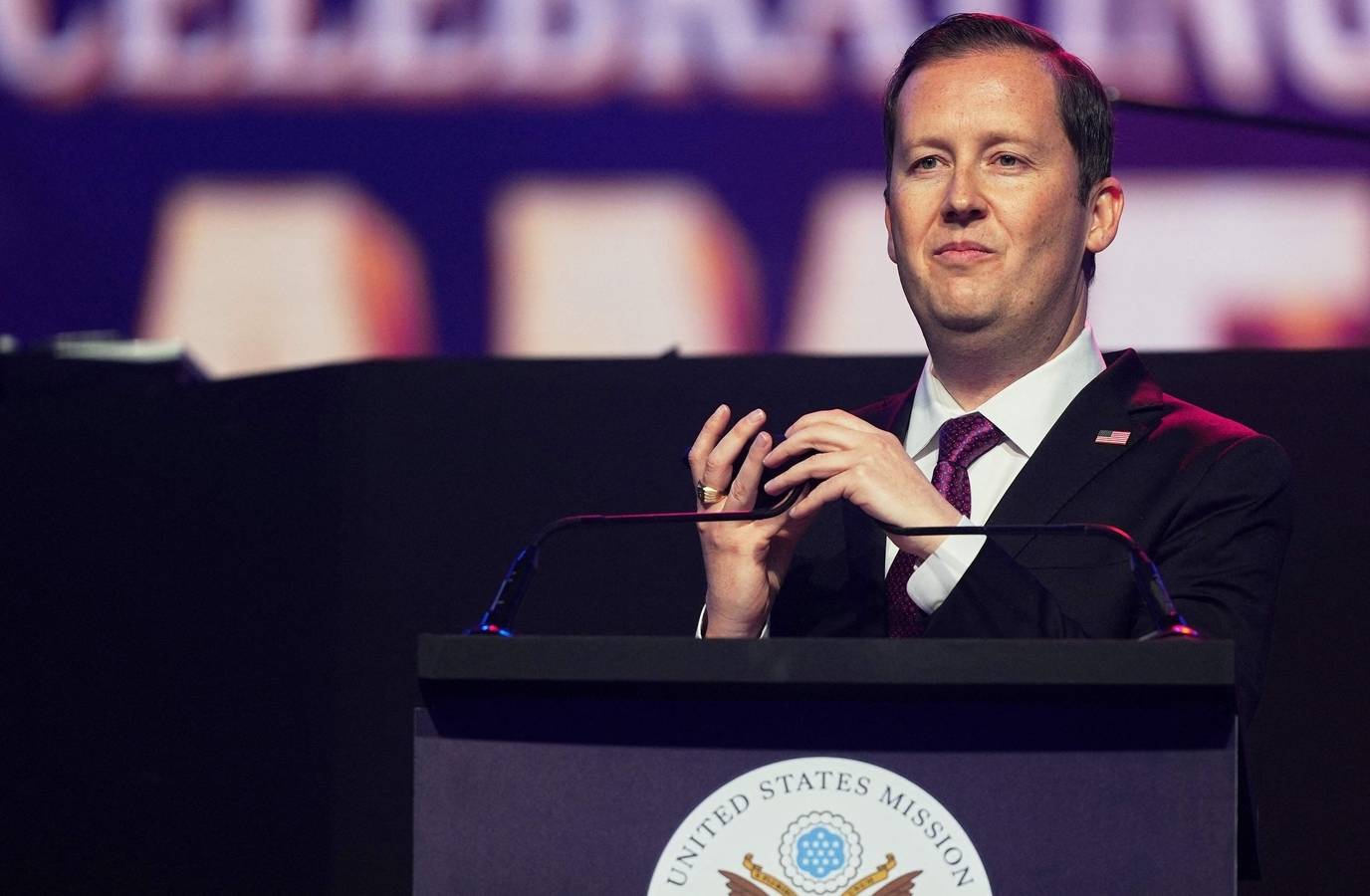
At the signing of Mr Trump’s executive order in the Oval Office, Marty Makary, head of the FDA, said that three applications for psychedelic drugs “are imminent”, and that he expected decisions “later this summer”.
The firm closest to filing an application is Compass Pathways, whose share price initially leapt by 53% after the executive order. Its synthetic version of psilocybin (found in magic mushrooms) has completed key late-stage trials for treatment-resistant depression.
Also close to filing an application is Definium, a firm which is testing a proprietary version of LSD for treating anxiety and depression. But Compass has said it aims to submit its final data to the FDA in the third quarter, and Definium has yet to release results from late-stage trials.
Some think the FDA may revive a previously rejected MDMA drug (its maker, Lykos, was told it needed better data) or, unusually, accelerate a generic drug that is a form of ketamine.
Psychedelic medicines are certainly a deserving category for attention. But the evidence has to be considered carefully–for the sake of all involved.
Consider the case of ibogaine, the drug championed by Mr Rogan. Popular among veterans, for whom opioid addiction is common, it carries serious cardiac risks. In January a clinic in Mexico reported that a patient had died after taking it.
Equally, it may reflect badly on drugs if their approval appears political—and after companies such as Compass have worked hard to get near the original finish line. Insurers may look unfavourably on drugs advanced by presidential decree. So may some patients.
The episode adds to the evidence that the administration is politicising drug development. On April 1st Eli Lilly’s new weight-loss pill was approved only 50 days after filing, having been granted a priority voucher.