Uncertainty has clouded the oil and gas trade in West Asia amid the Iran war, which has spilled over across the region. The United Arab Emirates (UAE) has decided to quit the Organisation of the Petroleum Exporting Countries (OPEC) and the larger OPEC group, starting May 1.
By going independent, the UAE can now make its own decisions regarding its oil production and sales. The country is currently one of the world's top 10 oil producers and has the capability to enhance its production significantly.
The move is being seen as a way to control rising oil prices, which have increased due to the Strait of Hormuz blockade. However, the long-term impact of the move remains to be seen.
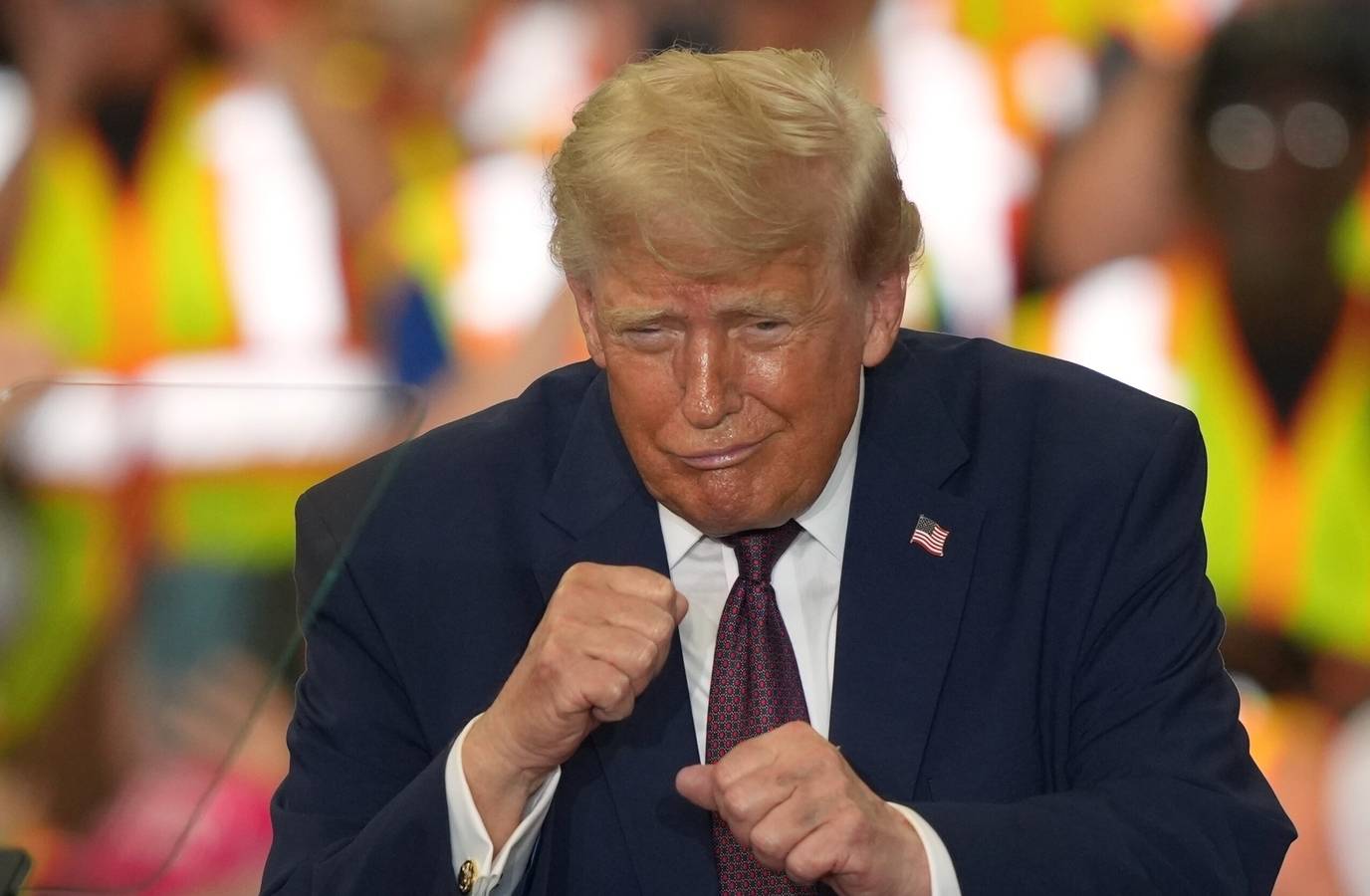
US President Donald Trump hailed the move, saying it's a 'good thing' for getting oil prices down. Trump referred to UAE President Sheikh Mohamed bin Zayed Al Nahyan, saying 'he probably maybe wants to go his own way.'
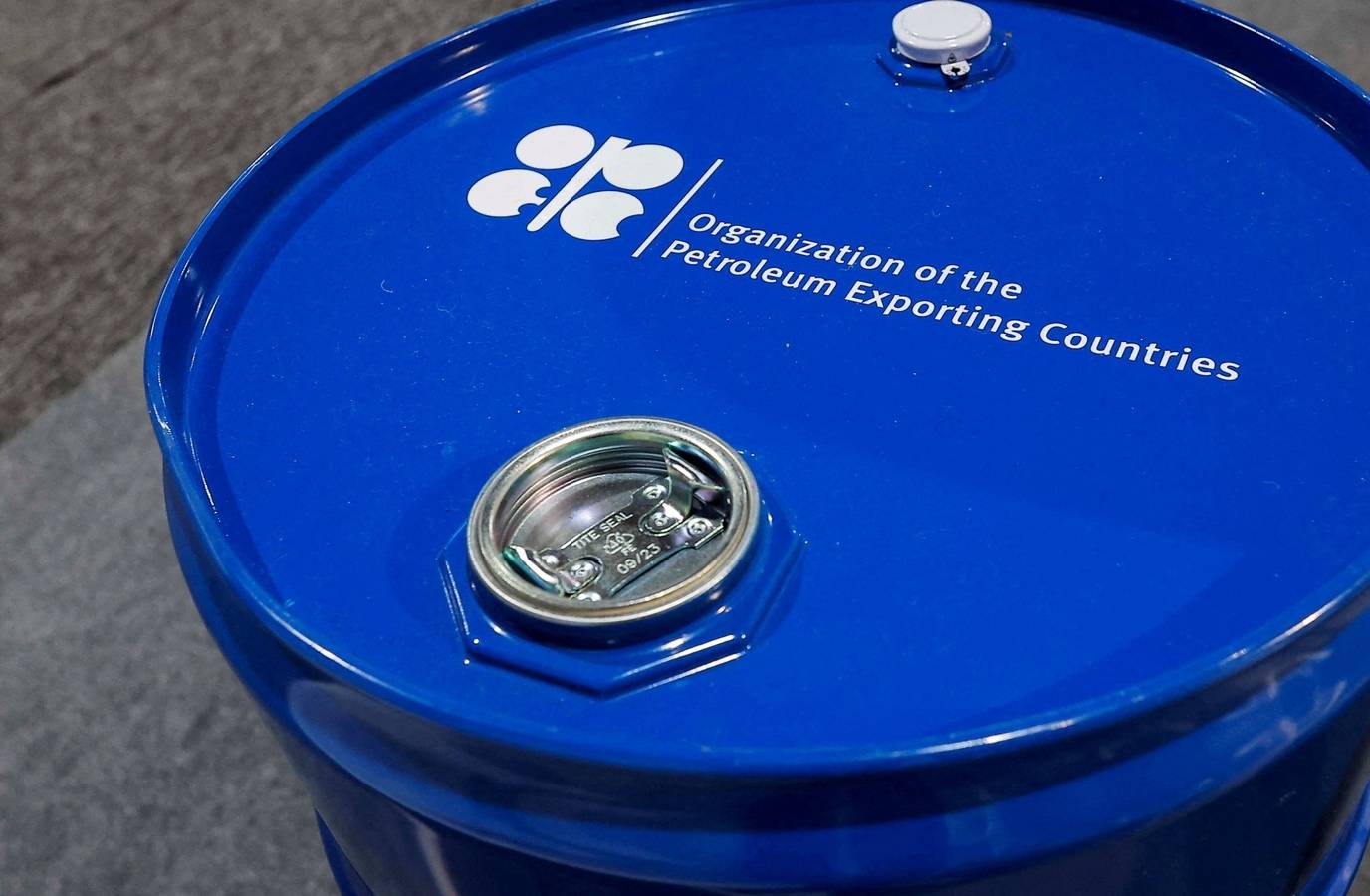
The Organization of the Petroleum Exporting Countries (OPEC) is a global organization of oil-producing countries founded in 1960 in Iraq. OPEC's objective is to co-ordinate and unify petroleum policies among member countries to secure fair and stable prices.
After UAE's exit, the core group will be left with 11 members. OPEC+ is a larger group of oil-producing countries that includes Russia, Kazakhstan, and Azerbaijan.
Analysts believe that underlying tensions with Saudi Arabia may have played a part in the UAE's decision to step away from the group. The relationship between UAE President Mohammed bin Zayed and Saudi Crown Prince Mohammed bin Salman is seen as a key factor.
The bloc was mostly controlled by Saudi and Russia, with little space for other voices. However, Saudi Arabia remains UAE's largest trading partner in the West Asia region.
Following UAE's exit, OPEC is likely to approve a modest increase in oil output quotas on Sunday. The increase would be around 188,000 barrels per day in oil output targets.