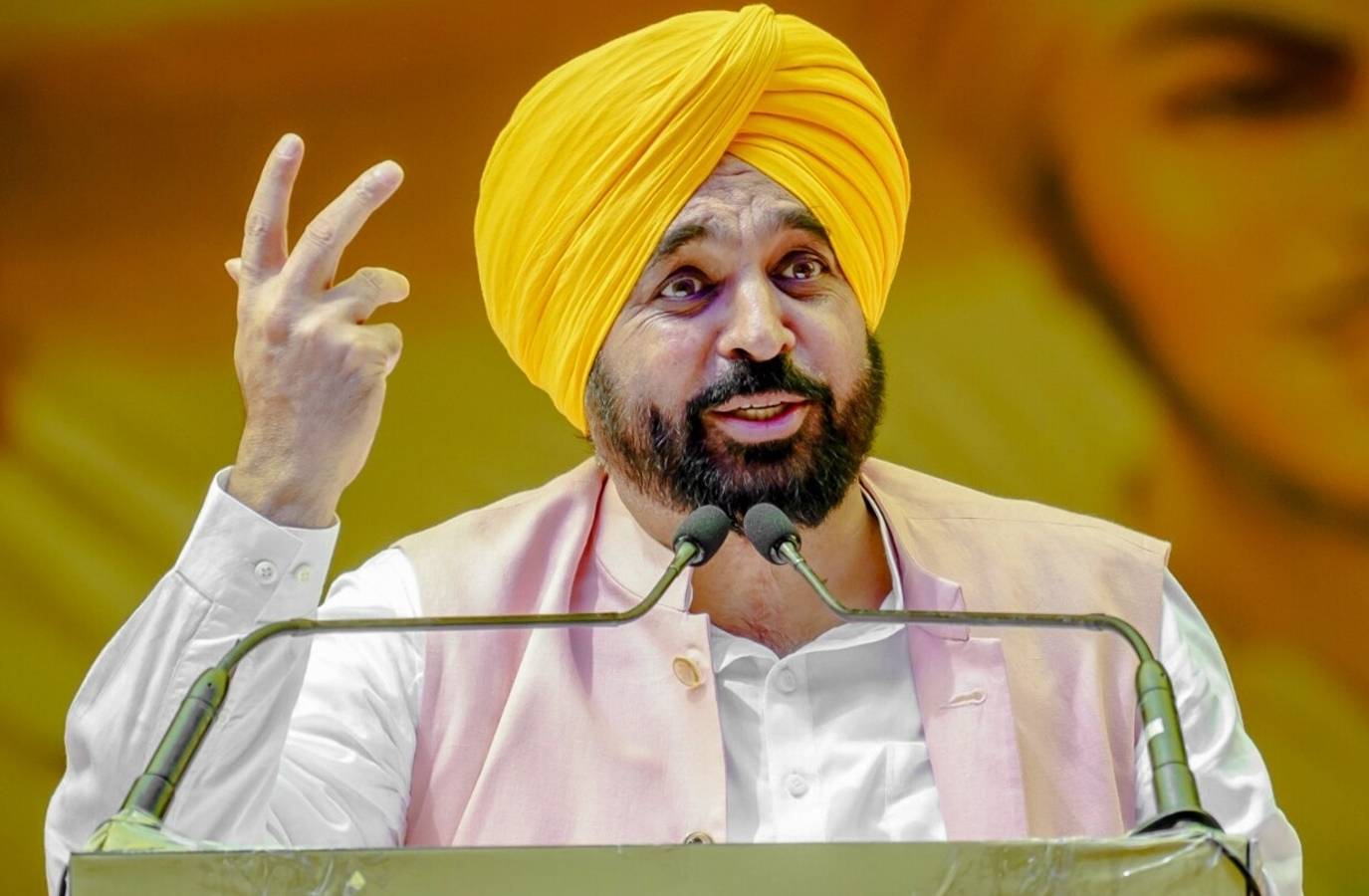
Punjab Chief Minister Bhagwant Mann's plan to meet President Droupadi Murmu with party MLAs to demand the 'recall' of seven Rajya Sabha MPs who defected from the Aam Aadmi Party faces constitutional hurdles.
The demand, which has no provision in India's Constitution, runs up against Article 83, which states that a Rajya Sabha MP holds office for a fixed term of six years.
While the President's office has granted Mann an appointment to meet her alone, he plans to bring the MLAs along, underscoring the urgency and optics of the party's case.
However, the Constitution does not vest the President with the authority to terminate or review the membership of MPs on such grounds, making Mann's outreach more a political intervention than a legal one.
The real legal contest lies within the anti-defection law contained in the Tenth Schedule, where the seven MPs have invoked the 'merger' exception, which protects legislators from disqualification if at least two-thirds of a legislature party agrees to merge with another party.
Recent constitutional jurisprudence has raised questions about whether numerical strength alone can validate a merger, leaving the issue open to judicial determination.
The political irony of the situation is that one of the defectors, Raghav Chadha, had previously argued in Parliament for a statutory 'right to recall' and sought to tighten the anti-defection law.
The absence of a recall mechanism in India's Constitution reflects a deliberate choice, not an oversight, and comparative constitutional practice offers little support for Mann's demand.
The episode highlights a deeper tension within India's constitutional design, where the anti-defection law allows significant manoeuvring through the merger exception, but offers no direct mechanism for voters or parties to reclaim a mandate once representatives have been elected.