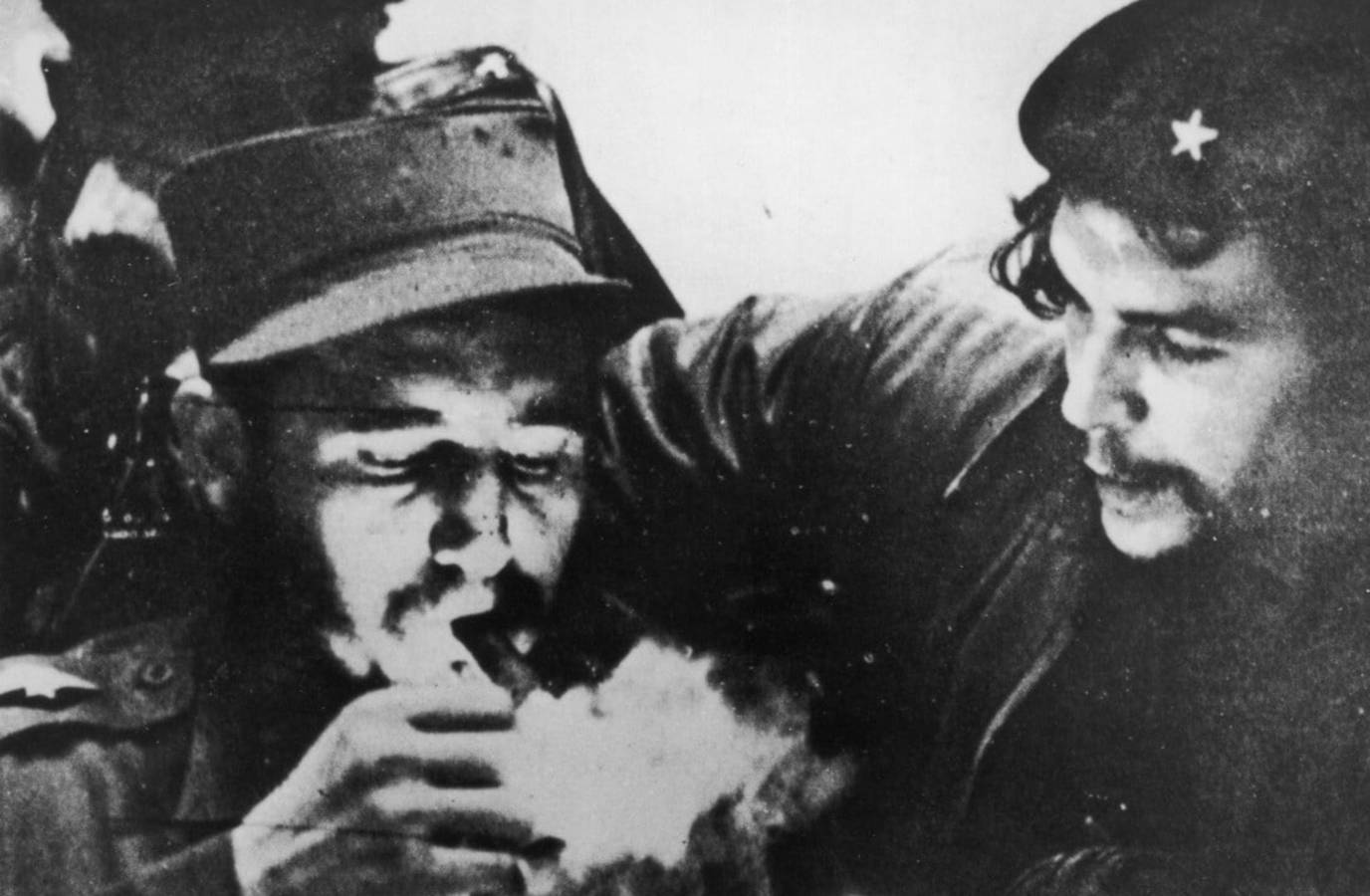
Cuba, once a global force to be reckoned with, is now struggling to maintain its influence. The island nation's bearded guerrilla fighters inspired student movements in the 1960s, and its intelligence services infiltrated America's government agencies. However, economic mismanagement and increased pressure from the Trump administration have weakened Cuba's military and security forces.
The Bay of Pigs invasion in 1961 was a resounding victory for the Castros, cementing their hold on power. Cuba's military adventures in Africa, including the deployment of tens of thousands of soldiers to fight against South African troops, showcased its geopolitical power. However, the capture and execution of Ernesto 'Che' Guevara, a key figure in the Cuban revolution, was a significant defeat for the island's efforts to spread revolution.
Cuba's influence in Latin America has also waned, with the capture of Nicolás Maduro, the strongman who led Venezuela, and the end of vital Venezuelan oil shipments to the island. The U.S. military raid that deposed Maduro was a significant blow to Cuba's regime, killing 32 Cuban soldiers and intelligence officers. As Cuba's global influence fades, its legacy as a revolutionary force remains a complex and contested topic.