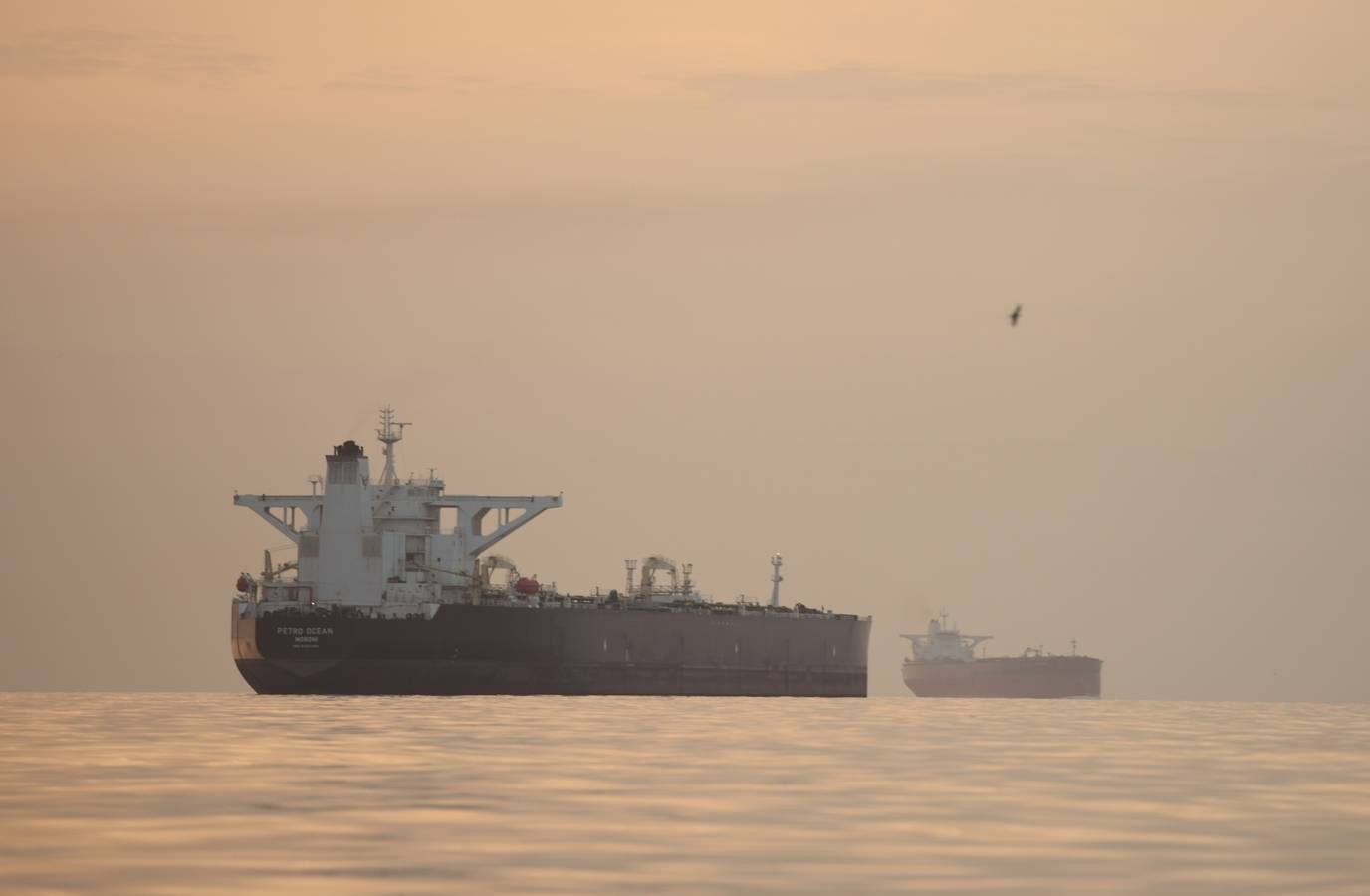
The world's most critical oil transit route, the Strait of Hormuz, remains uncertain due to shifting signals from Iran and the US, leaving global shipping paralysed.
Despite brief claims that the waterway had reopened, fresh military threats, a US naval blockade, and direct attacks on vessels have halted traffic.
Over 20 crossings were recorded on Saturday, but the window quickly shut after Iran reversed course and reimposed restrictions.
Two Indian ships were fired upon, forcing them to retreat, and other vessels abandoned their journeys altogether.
The situation has left millions of barrels of crude and liquefied natural gas stranded inside the Persian Gulf, threatening to deepen an already fragile global energy situation.
The US blockade is designed to squeeze Iran's economy, while restricting access to Hormuz is a powerful countermeasure for Iran.
The situation remains highly volatile, with neither side declaring a formal, permanent closure, but the strait is functionally closed due to military threats and conflicting political signals.