
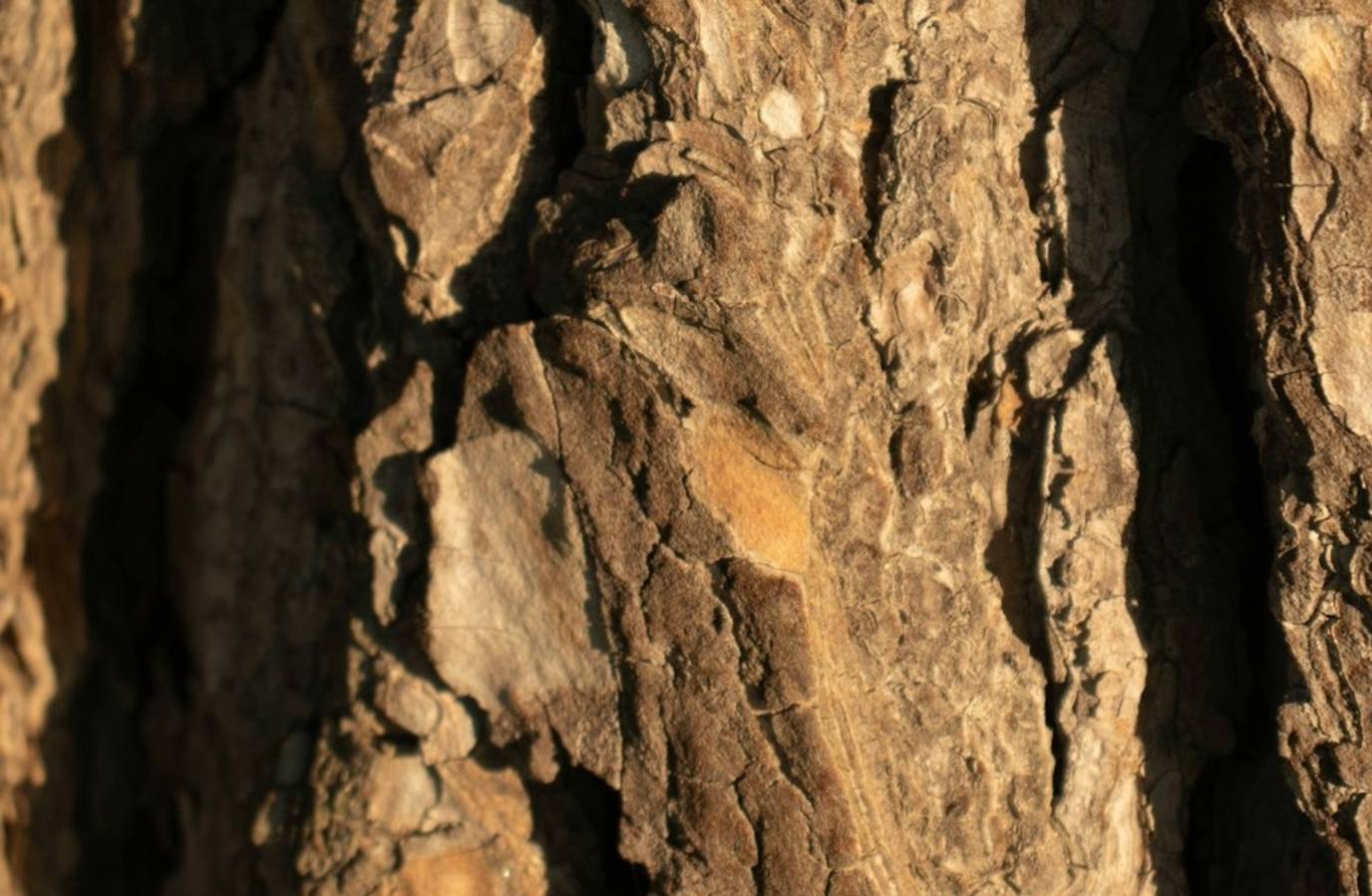
Ancient fossilized trees discovered standing upright through multiple layers of rock across the United States are fueling debate over whether catastrophic flooding events, including the biblical flood described in Genesis, may have played a role in shaping parts of Earth's geological history.
The formations, known as 'polystrate fossils,' consist of tree trunks preserved vertically through several layers of sedimentary rock, some of which are believed by scientists to have formed across vast stretches of time.
Fossils have been documented at sites including Yellowstone National Park, Theodore Roosevelt National Park, Ginkgo Petrified Forest State Park and Florissant Fossil Beds National Monument.
Supporters of biblical flood theories argue the fossils are difficult to reconcile with slow sediment accumulation over millions of years because dead trees would normally decay or collapse before being preserved upright.
Mainstream geologists and paleontologists, however, do not view polystrate fossils as proof of a worldwide flood or confirmation of the Genesis narrative.