The war in Iran is teaching an old lesson about military spending. Six hundred years ago, King Henry V's outnumbered, half-starved English army faced the flower of French chivalry. French knights were expensive, each man-at-arms the product of many years of training, his armor and warhorse a major investment.
Henry's archers carried longbows that cost little, drawn by men trained in every village across the kingdom. When the volleys came, the knights fell by the hundreds. Quantity overwhelmed quality—and the mud helped.
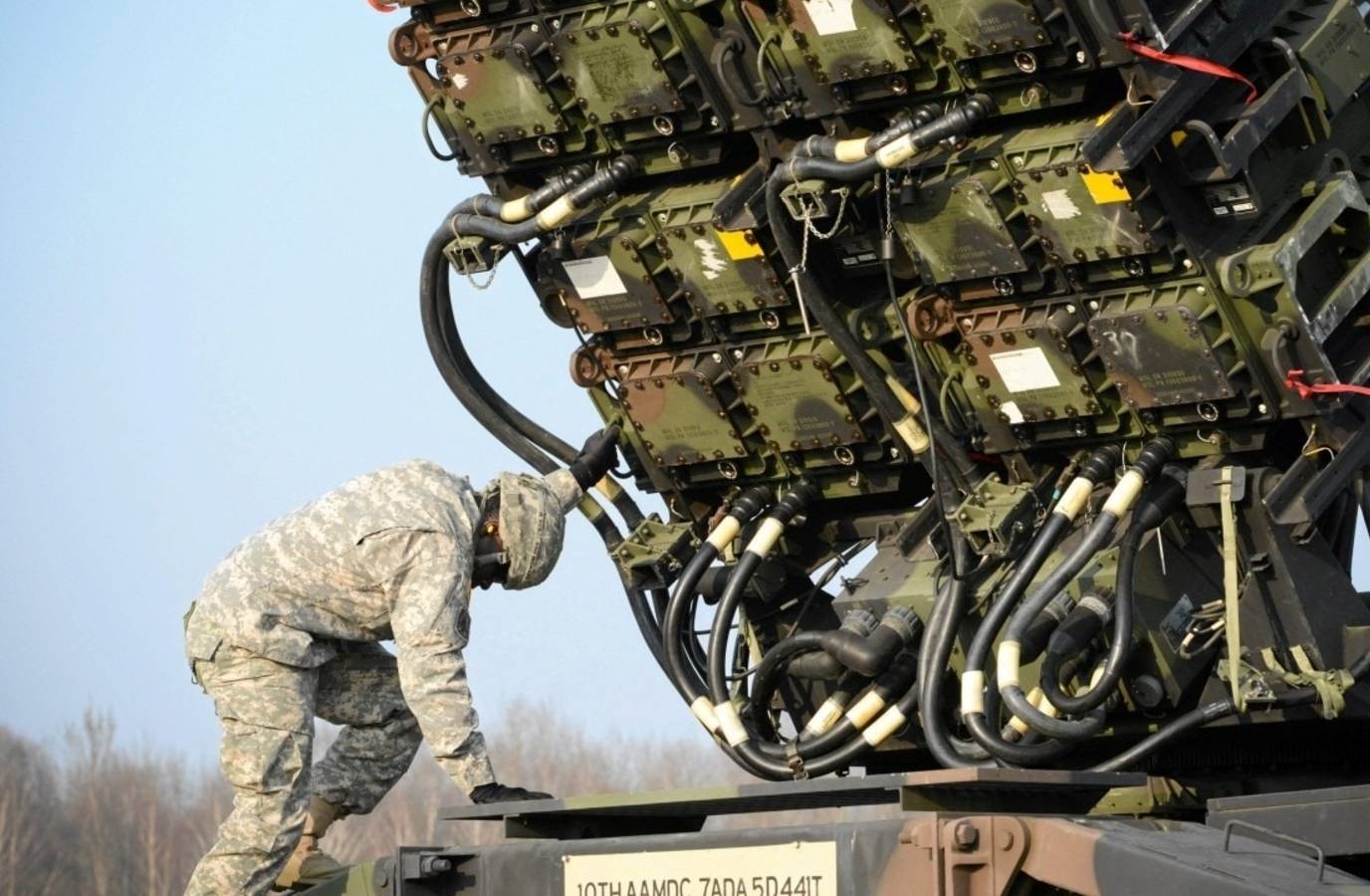
Patriot interceptors are exquisite, a wonder of engineering, the product of decades of accumulated technical mastery, each one the labor of hundreds, perhaps thousands. The Iranian drones they intercept are arrows—cheap, plentiful, made in bulk.
Since February, the U.S. has fired more than 1,300 Patriot interceptors against Iranian missiles and drones. Each interceptor costs around $4 million to destroy weapons that cost between $20,000 and $50,000.
Ukraine shows the alternative. More than 1,000 interceptor drones roll off Ukrainian production lines every day, at $1,000 to $3,000 apiece. The bodies of Kyiv-built attack drones are redesigned within months, not years, their engines even more quickly, and their guidance software within a matter of days.
Behind this show of force sits a market the government built. Programs like Brave1 connect investors directly to startups and to the user on the front line, giving fast feedback.
The cure to what ails the North Atlantic Treaty Organization's militaries isn't another exquisite platform. It's an industrial base that can take an idea and turn it into a million in a year.