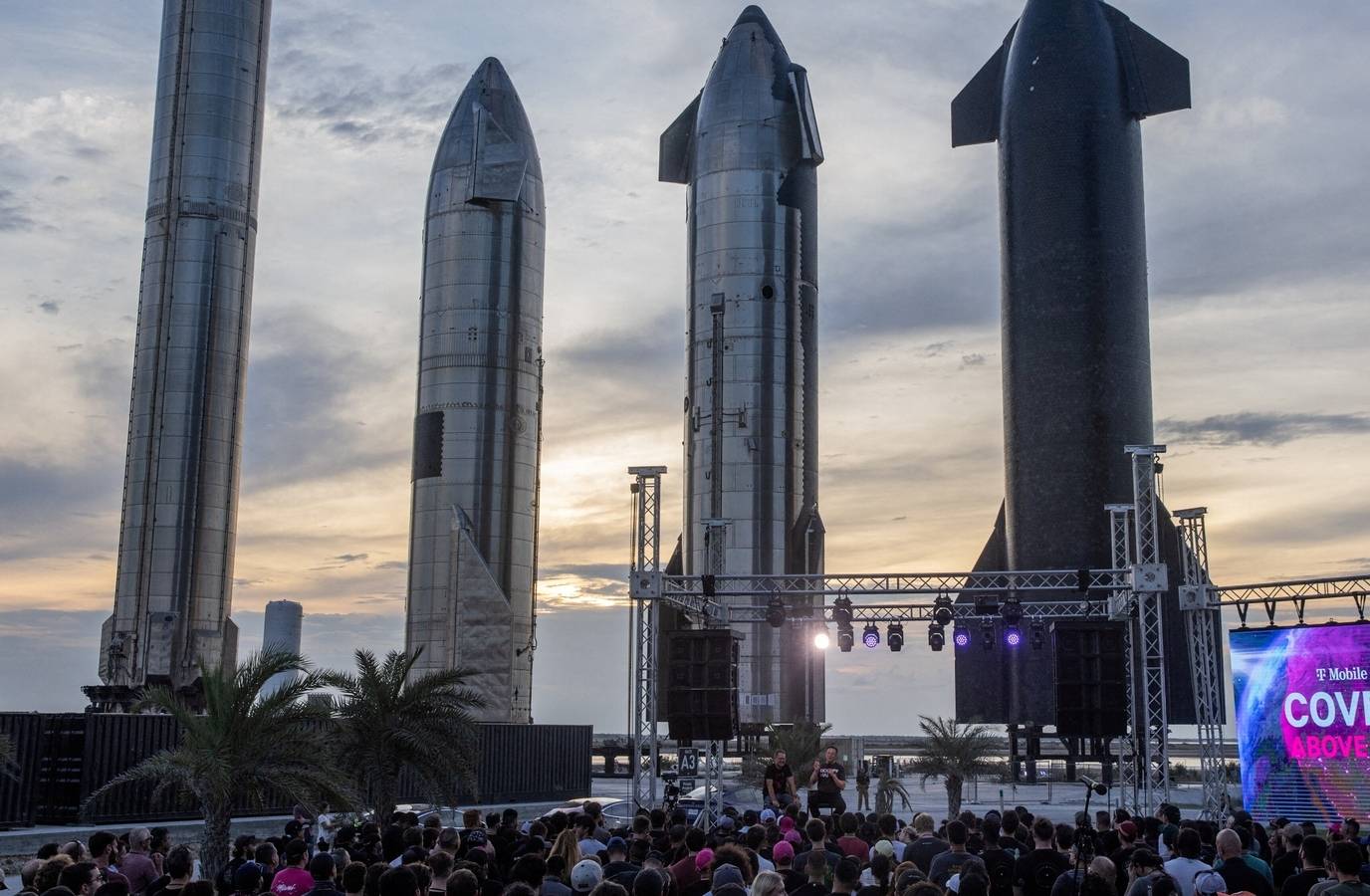
SpaceX, the rocket-maker, internet provider, artificial-intelligence lab and social network controlled by Elon Musk, is set to go public at an absurd price. If it raises anything close to $75bn, at a valuation anywhere near $2trn, its initial public offering (IPO) will be the financial equivalent of landing on Mars.
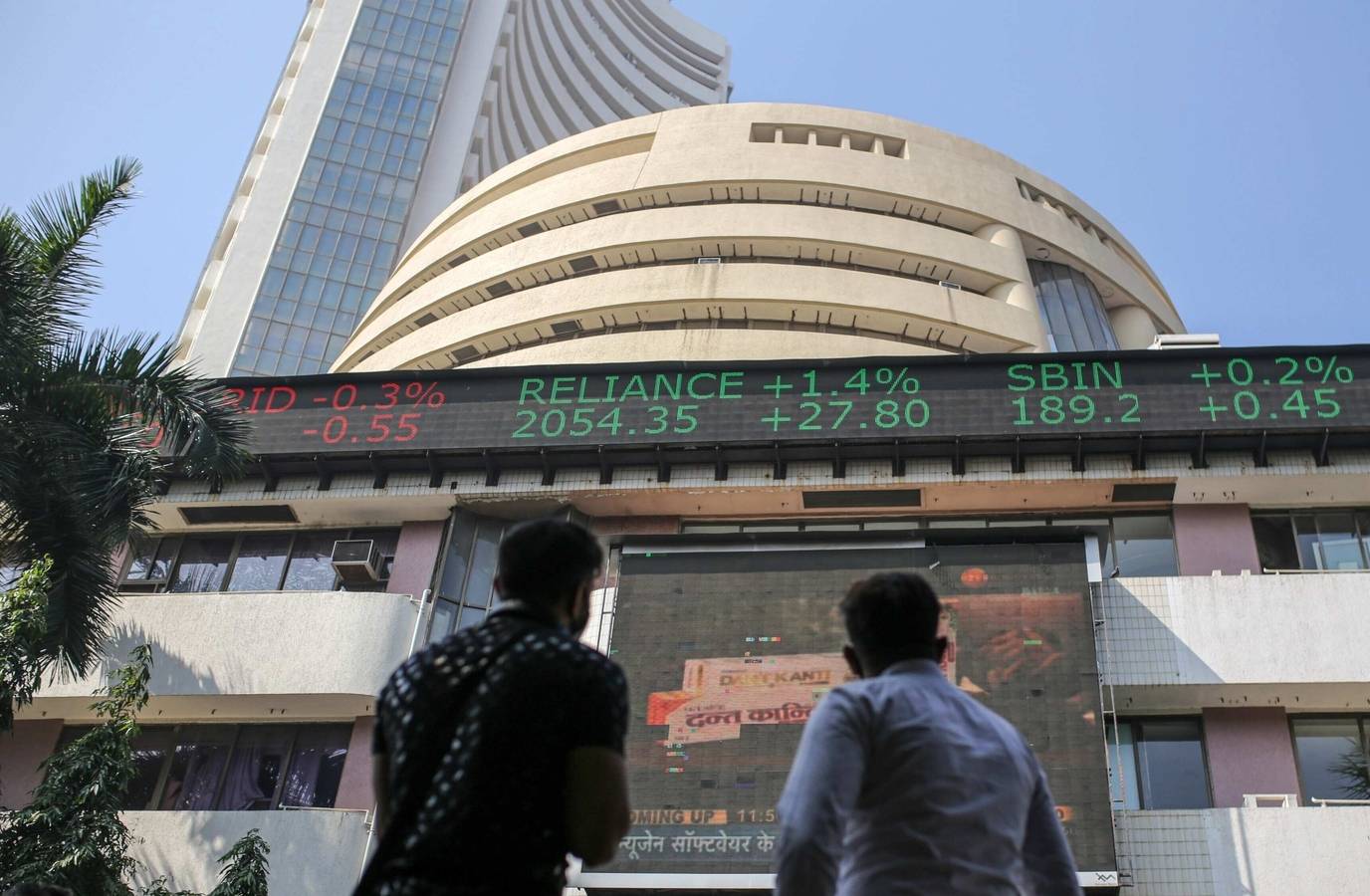
Nasdaq has changed the rules on how quickly firms are included in its index to attract Mr Musk to the exchange. Some listed companies have become public proxies for its private stock, with Tesla being the most obvious example.
Alphabet, the parent of Google, owned 6% of SpaceX at the end of last year, and EchoStar, a loss-making telecoms company, shot into the S&P 500 index for no reason other than the $11bn of stock in SpaceX it is set to receive.
The listing of SpaceX, OpenAI and Anthropic will transform public markets, with investors already familiar with their businesses. The governance of these firms might stay the same, but markets will be transformed by their listings.
American capitalism is in the midst of a great experiment, with the value of its firms becoming far more concentrated, even as the ways to invest in them are multiplying.