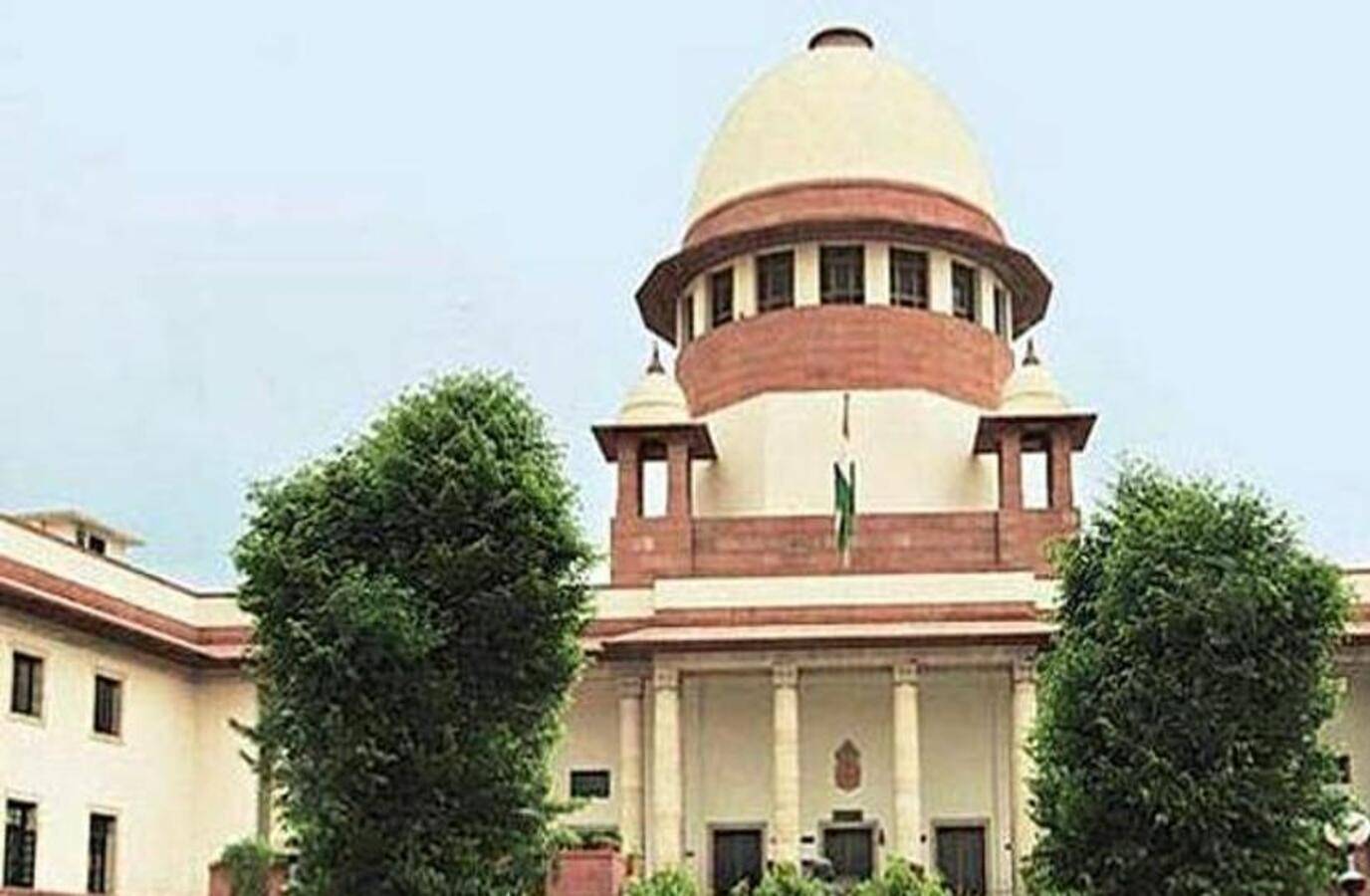
The Supreme Court has referred the issue of cheque bounce prosecutions and insolvency moratorium provisions to a larger bench for authoritative ruling.
A two-judge bench held that the issue raises important questions touching the nature of cheque dishonour proceedings and the scope of the moratorium under the Insolvency and Bankruptcy Code (IBC).
The court framed two pivotal questions for determination: whether proceedings under Section 138 of the Negotiable Instruments (NI) Act are quasi-criminal, and whether the moratorium provisions under Part III of the IBC should operate to halt the entirety of proceedings.
The bench observed that while cheque dishonour cases originate in civil disputes, Parliament attached criminal consequences to the dishonour of cheques to preserve public confidence in commercial transactions.
The court noted that the offence under Section 138 is not the mere non-payment of debt but the dishonour of the cheque itself, and that the legislature made the dishonour of the mode of payment an offence.
The reference assumes significance because insolvency proceedings under IBC trigger a statutory moratorium on legal actions against debtors, leading to recurring disputes over whether cheque-bounce prosecutions can continue during such periods.