The Unscripted Love Stories of Bollywood's Golden Age: A Parallel History of Indian Modernity
In contemporary Bollywood, romance between coactors is carefully managed, its edges softened by publicists and brand endorsements. | Bollywood
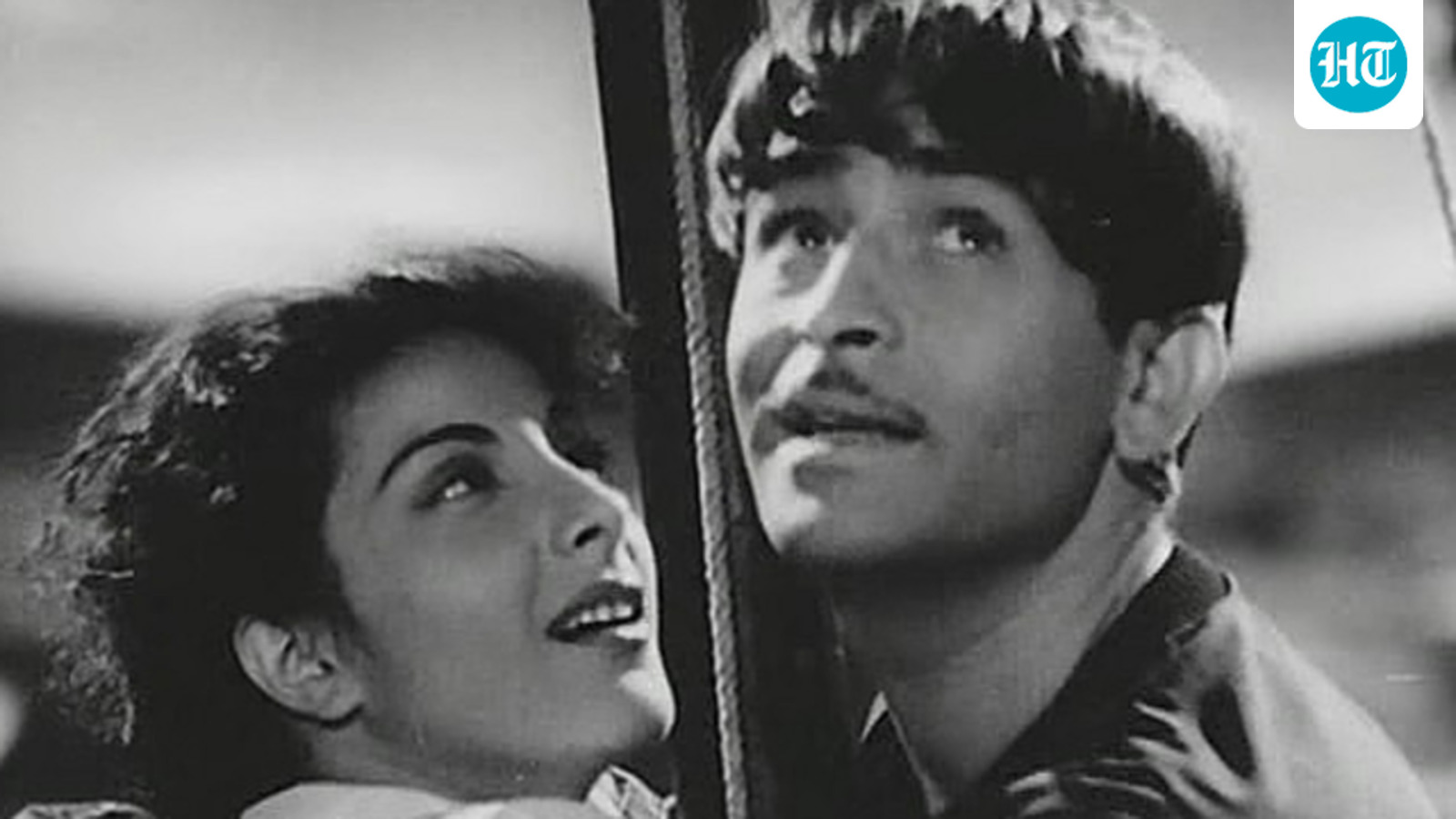
The lives of Bollywood's leading actors in the early days were a fascinating blend of public and private lives. Their romantic relationships, especially with fellow stars, were not just private affairs but moral fables that reflected the possibilities and constraints of their times. Revisiting the great personal romances of Bollywood's leading actors offers a unique window into the history of Indian modernity.
Take the tragic love story of Dilip Kumar and Madhubala, two individuals who embodied the contradictions of post-Independence India. Dilip Kumar represented the emerging idea of the responsible citizen-artist, while Madhubala's spontaneity and autonomy were both captivating and unsettling in a society still negotiating the limits of female freedom. Their love, played out against the backdrop of iconic films like Tarana and Mughal-e-Azam, captivated millions but was also marked by misunderstanding and heartbreak.
The romance between Raj Kapoor and Nargis was a creative partnership that blurred the line between love and professional friendship. Together, they shaped the moral universe of early Hindi cinema, with their performances carrying an emotional residue that feels too real to be fictional. However, when Raj Kapoor chose the security of marriage over the uncertainty of passion, Nargis exited not only the relationship but also the studio that had defined her career.
The romance between Dharmendra and Meena Kumari was marked by melancholy and a deep emotional connection. Despite their intense on-screen chemistry, their relationship was incomplete due to Meena Kumari's personal sorrows and professional exhaustion. What unites these romances is the constant negotiation between individual feeling and conventional morality, a double standard that has always existed in Bollywood.
These love stories reveal a quieter courage, a moral audacity that required living openly in an era of intense scrutiny. Their emotions found expression not in interviews but in performances, which were emotional truths refined by lived experience. In contemporary Bollywood, romance between co-actors is carefully managed, its edges softened by publicists and brand endorsements. The earlier generation had no such buffers, and their loves were raw, enduring as legend not because they were perfect, but because they were human. In this human fragility lies their power, compelling us to recognise that behind the carefully lit frames of classic cinema were men and women grappling with the same eternal dilemma: how to honour the heart without betraying the world that surrounds it.