Can Iran legally charge toll from ships passing Strait of Hormuz? What norms say | World News
Iran reportedly wants to charge $1 per barrel of oil from ships to transit the Hormuz Strait, and to assess each vessel to ensure prevent transfer of weapons. | World News
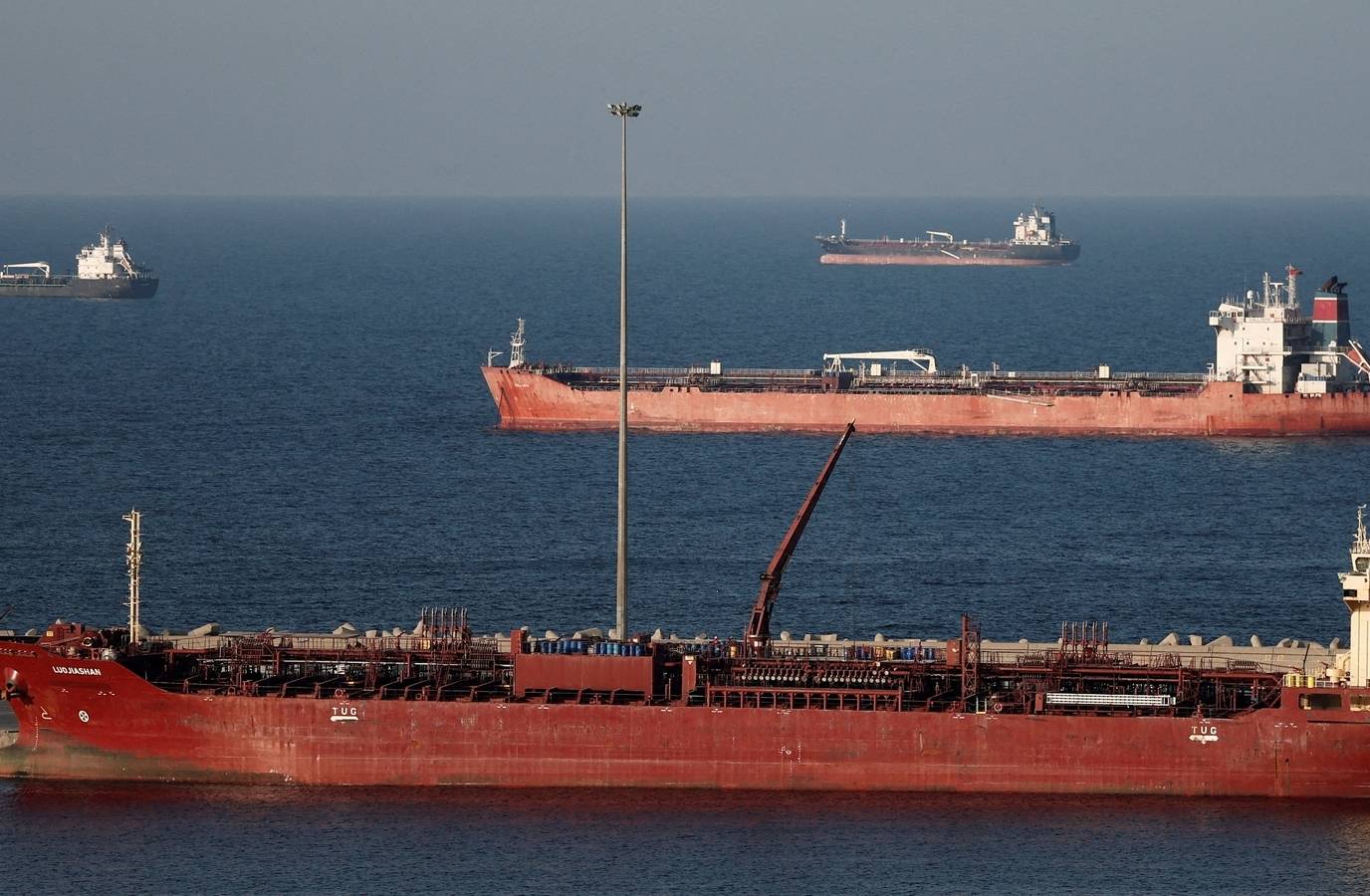
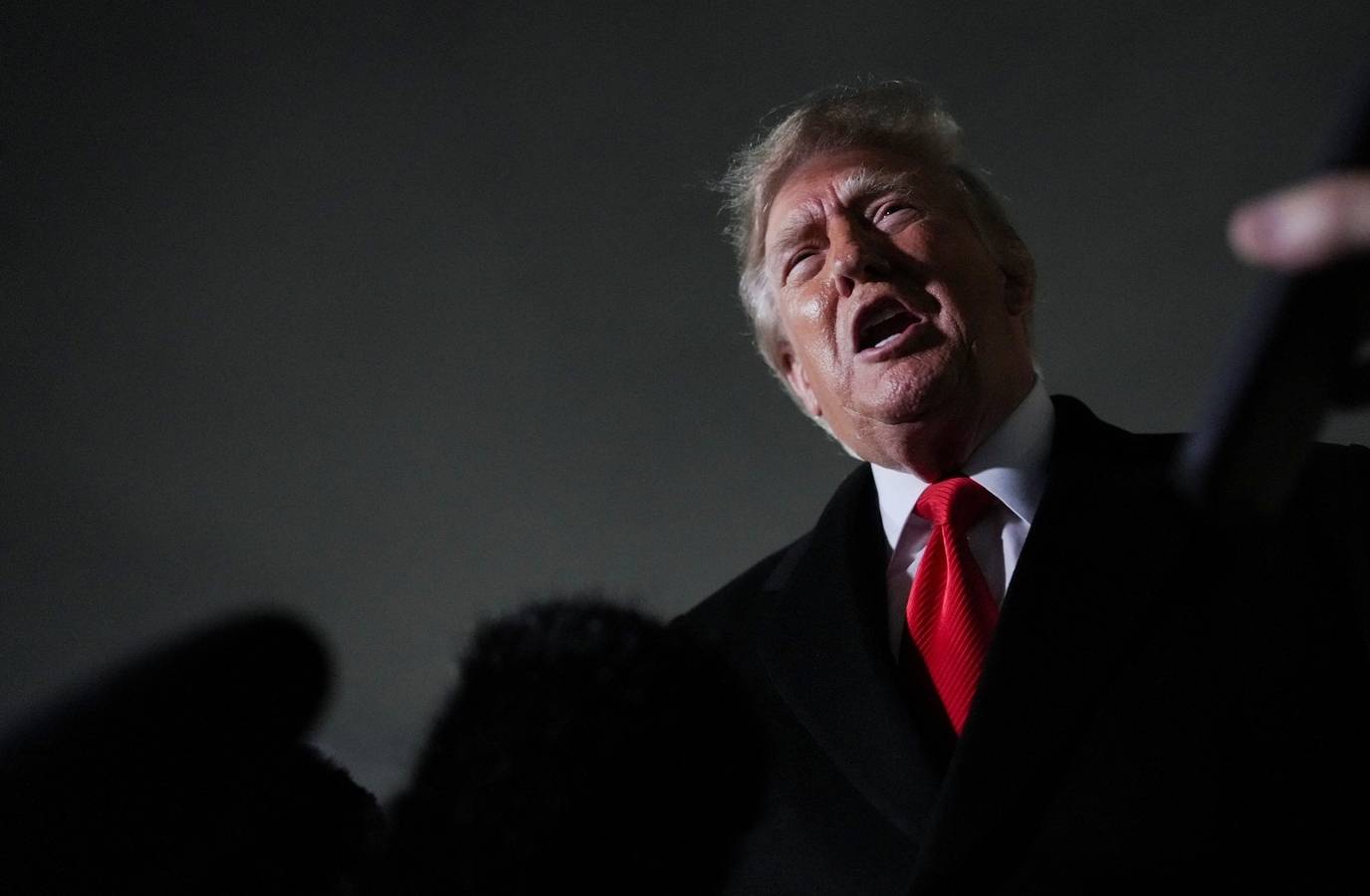
Iran is reportedly planning to levy a toll for the passage of ships through the Strait of Hormuz, a move that would violate maritime trade norms. The freedom of peaceful navigation -- an idea codified by the United Nations' Convention on the Law of the Sea, which took effect in 1994 -- would be violated if Iran collects tolls in the strategic waterway.Iran wants to collect toll from any passing ship, and to assess each vessel, said Hamid Hosseini, spokesperson for Iran's Oil, Gas and Petrochemical Products Exporters' Union, the Financial Times reported. The country is reportedly planning to charge $1 a barrel of oil as a toll fee from shipping companies to allow their tankers to transit the strait. Follow Iran-US war news live updates"Iran needs to monitor what goes in and out of the strait to ensure these two weeks aren't used for transferring weapons," Hosseini stated.Meanwhile, Iran once again shut the Strait of Hormuz, this time in response to the Israeli strikes on Tehran-backed Hezbollah militant outfit in Lebanon. Meanwhile, US President Donald Trump on Wednesday (local time) warned Iran of escalation if the two sides failed to reach a “real agreement”. He affirmed that despite fake rhetoric, Iran will not have any nuclear weapon, adding that the Strait of Hormuz will be open and safe. Iran's Hormuz condition in 10-point demandIran and the US agreed to a two-week ceasefire on Tuesday (local time), with Washington reportedly accepting Tehran's 10-point plan.Iran's proposal also includes the continuation of the Islamic Republic's control over the Strait of Hormuz, through which nearly one-fifth of the world's oil supply passes.ALSO READ | Oil rises above $97 after 13% drop, biggest since 2020, as Strait of Hormuz disruption persistsThe 10-point plan also includes a provision allowing Iran and Oman to charge ships passing through the Strait, The Associated Press reported, citing a regional official. The official stated that Iran would use this money for reconstruction.Does Iran's toll in the Strait violate trade norms?While Iran's toll comes as a part of its plan to have leverage and ensure the Islamic Republic's safety stature, international maritime trade norms would be violated by this move.Article 17 of the United Nations Convention on the Law of the Sea guarantees ships a "right of innocent passage" through the territorial sea.It defines a passage as innocent as long as it is not "prejudicial to the peace, good order or security of the coastal State." The convention further states, "Such passage shall take place in conformity with this Convention and with other rules of international law."ALSO READ | Trump warns of escalation if Iran deal fails, says US forces to remain deployed: 'Shootin' starts...'Article 26 of the convention also explains the circumstances under which a coastal state may levy charges upon foreign ships."No charge may be levied upon foreign ships by reason only of their passage through the territorial sea," it states.Further, the convention mentions that a coastal state can charge a fee from foreign ships passing through the territorial sea "only for specific services rendered to the ship. These charges shall be levied without discrimination."When can a foreign ship be considered prejudicial to peace?According to the Law of Sea Treaty, a foreign ship can be considered prejudicial to the peace, good order or security of the coastal state if it engages in any of the following activities:threatens or uses force against the coastal state's sovereignty, territorial integrity or political independence;violates the principles of international law written in the Charter of the UN;any act aimed at collecting information to the prejudice of the coastal state's defence or security;any act of propaganda to affect the defence or security of the coastal state;launching, landing or taking on board of any aircraft;launching, landing or taking on board of any military device;loading or unloading of any commodity, currency or person contrary to the customs, fiscal, immigration or sanitary laws and regulations of the coastal state;willful and serious pollution contrary to this convention;any fishing activities;carrying out of research or survey activities;any act to interfere with any communications systems or any other facilities of the coastal State;and any activity not having a direct relation to the passage.Further, according to the UN Convention, a coastal state shall not hamper the innocent passage of foreign ships through the territorial sea except in cases that align with the Convention."A coastal state shall not impose requirements on foreign ships which have the practical effect of denying or impairing the right of innocent passage; or discriminate in form or in fact against the ships of any State or against ships carrying cargoes to, from or on behalf of any State," the Convention states.What experts say?Neither Iran nor the United States has ratified the UN Convention on the Law of the Sea, standing apart from the 172 countries that have.Philippe Delebecque, a professor and maritime law expert at Paris' Sorbonne University, said that freedom of navigation in seas has been a fundamental right for several hundred years -- founded on the "idea that the sea doesn't belong to anyone".ALSO READ | JD Vance to head US delegation for peace talks with Iran in Pakistan"Freedom of navigation has always been recognised, including specifically in straits," he was quoted as saying by AP. He asked if the Strait of Hormuz could be closed, then why not the Strait of Gibraltar between the Mediterranean and the Atlantic, or the Strait of Malacca off Indonesia? The professor described the scenario as the "end of an international society."Meanwhile, Julien Raynaut, head of the French Association of Maritime Law, a trade group, reportedly said that not having ratified the UN Convention does not allow Iran "total freedom of action" in the Strait."It remains subject to international law and notably this customary right of passage," Raynaut added. The expert further stated that an Iranian tollbooth could lead China to claim that it could restrict the movement in the Taiwan Strait.ALSO READ | Largest attacks in over 40 years, 1,500 killed: Why Israel continues to pound Lebanon despite US-Iran truceA senior research fellow at the British Institute of International and Comparative Law, Constantinos Yiallourides, cited by AP, said that Oman and Iran may face diplomatic pressure to adhere to the UN Convention.Free passage "is in the interest of everyone," he said, adding that, “We all want to get the best products at the best prices.” Saleem Ali, a policy expert and chair of the University of Delaware's geography department, said that, unfortunately, all international law is "fragile".Ever since the current Law of the Sea took effect in 1994, it has worked, imperfectly, Dr Ali was cited as saying by The New York Times.That's because, he said, "the handful of nations that didn't ratify the law have generally followed its norms for decades, including the United States and Iran, a practice that reinforced the law as an international status quo.ALSO READ | Trump threatens 50% tariffs on countries supplying Iran with weaponsAdditionally, a senior fellow for energy security at the Centre for Strategic and International Studies, Clayton Seigle, also stated that any future toll collection would likely trigger a spike in oil and gas prices."But that hypothetical price increase would most likely be small compared to the spike the world is seeing now," Seigle was quoted by NYT.Similar to Julien Raynaut, Donald Rothwell -- professor at the Australia National University School of Law, specialising in international ocean law -- reportedly stated that Iran's continuation of charging tolls in peacetime might tempt other nations with critical waterways across the globe to "follow suit".