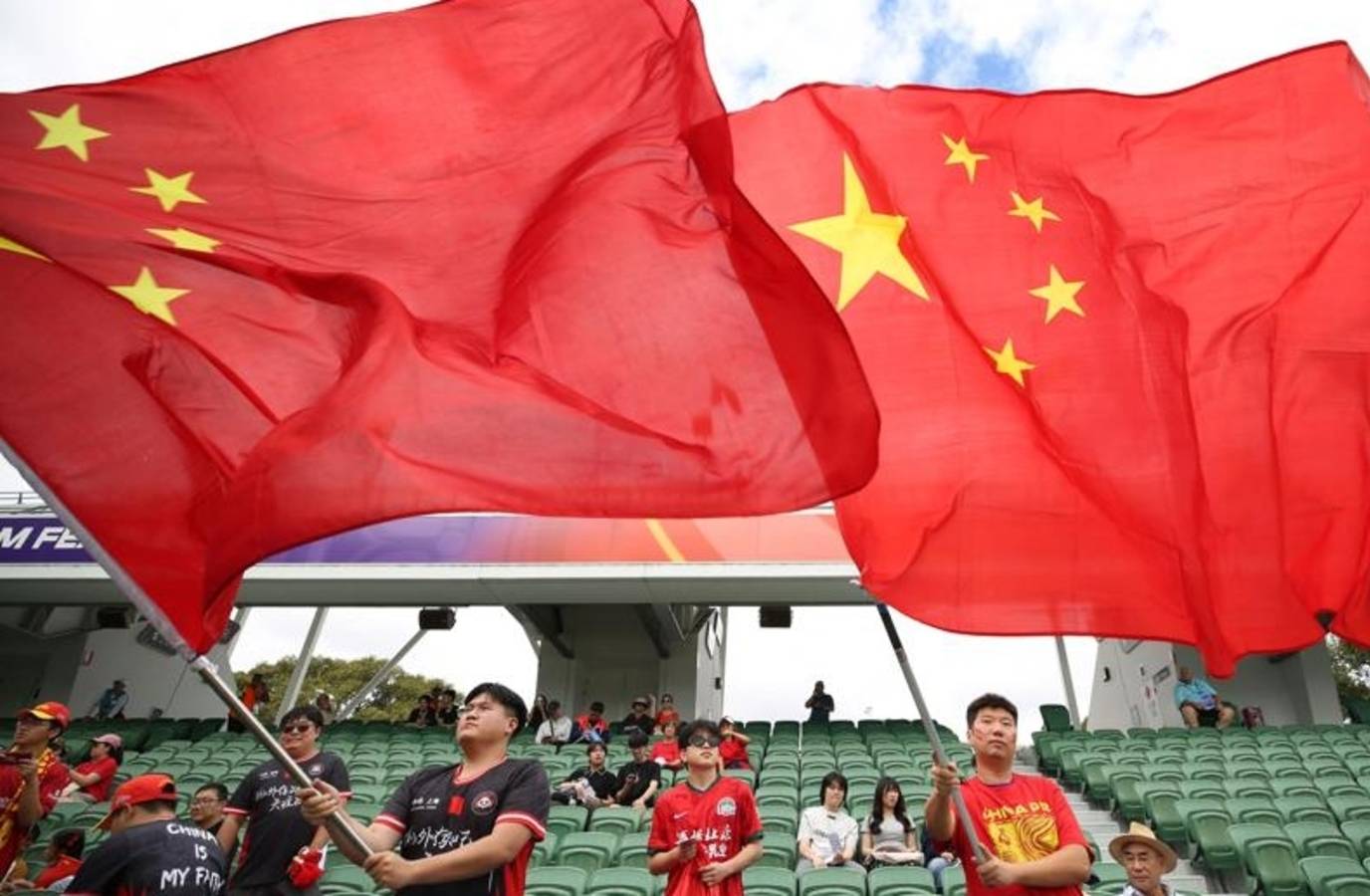
When the World Cup expanded to 48 teams in 2026, Asia received eight direct qualifying slots, plus a possible ninth team via the play-offs. China, with its massive population and lavish football spending, was expected to qualify for its second World Cup. However, China finished below regional powerhouses Oman, Indonesia, and Palestine, failing to make it through to the fourth round.
The men's team can only dream of being as successful as the country's women, who have qualified for the past three tournaments and reached the final in 1999. Xi Jinping's 2011 declaration of his three wishes for Chinese football – to qualify for, host, and win the World Cup – seems unlikely to be fulfilled.
So, where did it all go wrong? Corruption scandals, political interference, and a football philosophy imposed from the top instead of built from the bottom have contributed to the domestic game being a mess. More than half the clubs in the Chinese Super League began the season on negative points after punishments linked to match-fixing, gambling, and corruption.
Chinese leaders' top-down approach to football has failed to produce the desired results. Successful football cultures are usually messy, local, and organic, depending on children playing informally, community clubs taking root, and talent rising gradually through a pyramid of interconnected leagues.
Hosting the World Cup is now unlikely, with China's cooling interest in the tournament reaching such lows that no broadcast deal had been signed between China Media Group and FIFA until mid-May. The country's diminished status in China's political priorities has made it clear that football is no longer a strategic industry, but a reputational liability.