Concrete frame, mud ramp: How Nepal's ‘green house’ survived devastating flash floods | World News
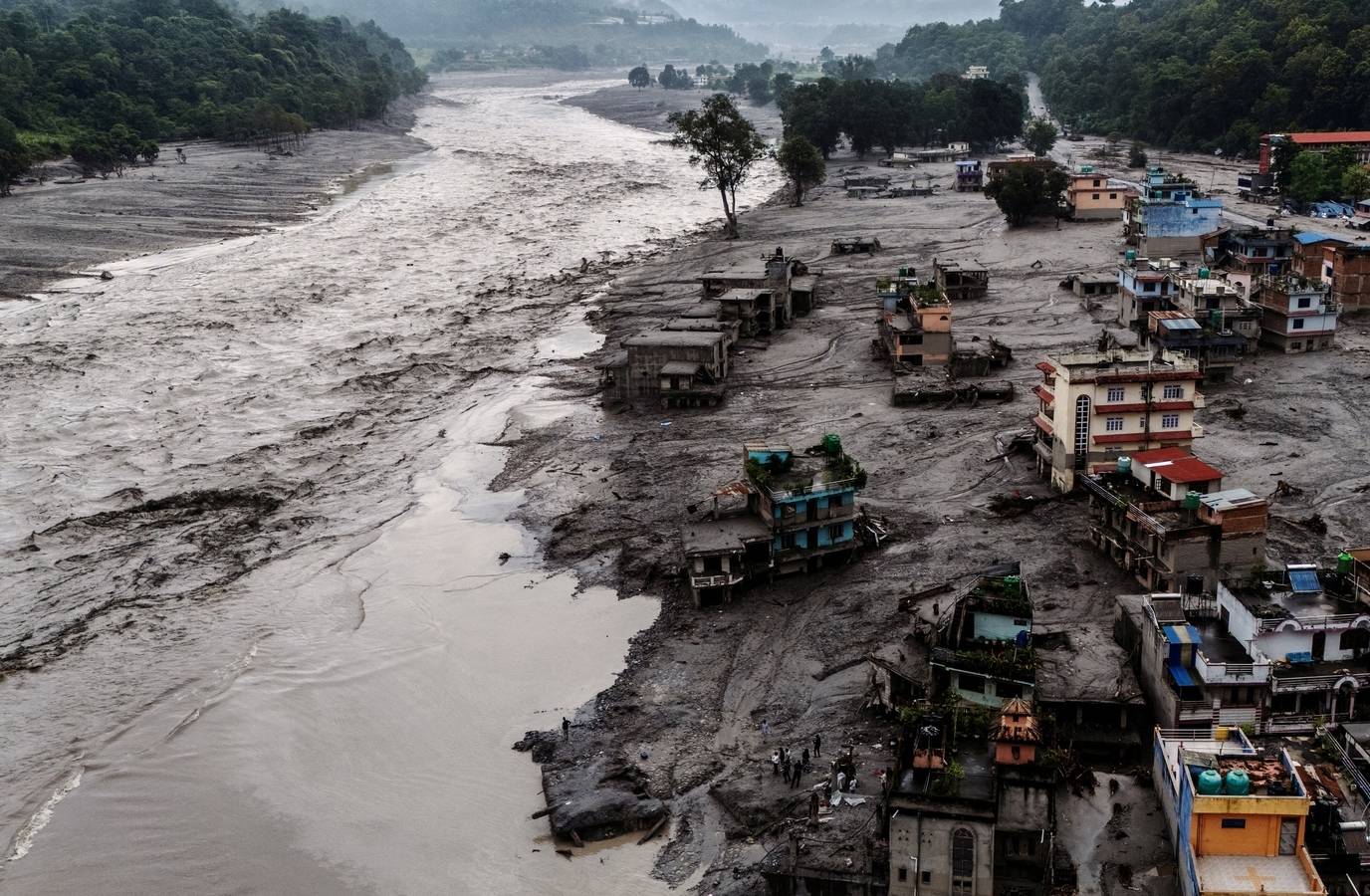
Flash floods hit Nepal on August 26, with a huge wave of freezing water and debris, taller than some buildings in the region, sweeping through villages. | World News
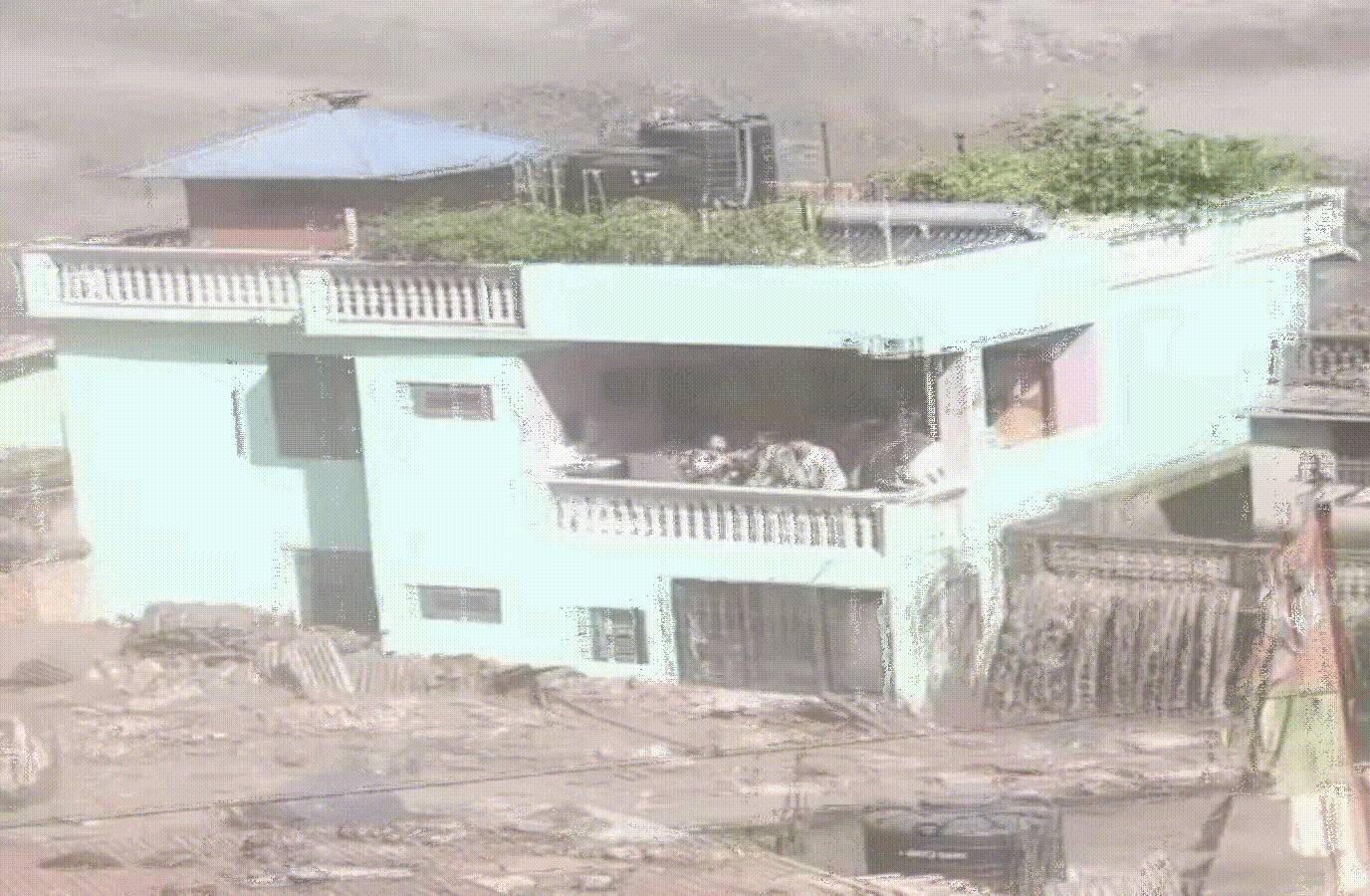
Videos of a green house standing between a massive surge of water mixed with boulders, mud and debris in one of the flood-hit areas in Nepal has been circulated widely on social media platforms.Flash floods hit Nepal early on Wednesday, August 26, with a huge wave of freezing water, rocks and debris, taller than some buildings in the region, sweeping through entire villages and towns. According to latest estimates, more than 900 people have lost their lives in Nepal, Tibet and China, and the number of missing people has soared to over 5,000. However, despite the destruction after the floods, the green house stood erect, with its residents seen standing huddled in the balcony. With videos of this house now viral, people are questioning how the structure survived the lateral pressure from massive waves. Also Read | After Nepal floods, the Himalayan glaciers on India’s risk list — and the ones that aren’tHow did the house survive? Architecture enthusiast explainsSharing a video of the house, an X user explained the potential reasons behind the structure's durability, elaborating on its structural engineering as well as the flow of water around it. The account said that the house, despite being in the middle of Nepal's “disaster zone”, was standing while its surrounding buildings were destroyed. “This lone structure took a direct hit from a massive debris flow, a dense slurry of mud and car-sized boulders moving at highway speeds, and refused to fall,” the X user said. 📌Reinforced concrete frameThe architecture enthusiast highlighted that while most houses in the Himalayan valleys are built through “unreinforced stone masonry”, this particular house had a “reinforced concrete frame.”In this, the building's structural skeleton uses a network of connected horizontal beams and vertical columns made of concrete and embedded with steel bars. The concrete can handle heavy pressing forces, while steel handles pulling forces, making the structure strong.Also Read | Ice-rock avalanche triggered flash floods, not GLOF event: What Nepalese scientists' report revealsThe other houses, dependent on unreinforced stone masonry, usually handle vertical weight well, but cannot sustain lateral pressure, the user said in a video.“Continuous steel rebar tied the columns, beams and foundation together into a single rigid skeleton,” the X user said, explaining the house's structural physics. They added that owing to this, when the wall of mud hit the house, the frame absorbed the lateral force and transferred it straight into the ground.📌 Geometry and positioningThe enthusiast further highlighted that the debris flow often concentrates its heaviest boulders along the deepest central channel, while the house was positioned slightly “off that main path on marginally higher ground.”The fluid mass, when it hit the structure, split because of its compact shape and started flowing around both sides, depositing mud which “quickly built a natural ramp.” This ramp then deflected the later surges away from the structure.