Global oil markets swung wildly on Tuesday as mixed signals from the Trump administration about the war in Iran and security in the Strait of Hormuz caused panic among investors and energy traders.
Prices plummeted after US Energy Secretary Chris Wright briefly posted - and then deleted - a claim that the US Navy had escorted an oil tanker through the Strait of Hormuz, one of the world's most critical energy chokepoints.
The White House later confirmed that no such operation had taken place, adding to already intense uncertainty in global markets as the conflict in West Asia entered its second week, disrupting energy supplies and escalating military activity across the region.
Oil prices dropped sharply after Wright's now-deleted post on social media suggested the US Navy had already begun escorting tankers through the Strait of Hormuz to keep oil flowing to global markets.
The claim briefly reassured traders that maritime routes might be reopening, prompting a sudden sell-off. Prices fell almost 20% before recovering later in the day as the White House clarified the information was inaccurate.
Despite the clarification, the brief misinformation amplified volatility in markets already reacting to war-driven supply disruptions.
Oil prices whipsaw amid supply fears, with Brent crude surging close to $120 per barrel on Monday as fears grew that the conflict could disrupt global supplies.
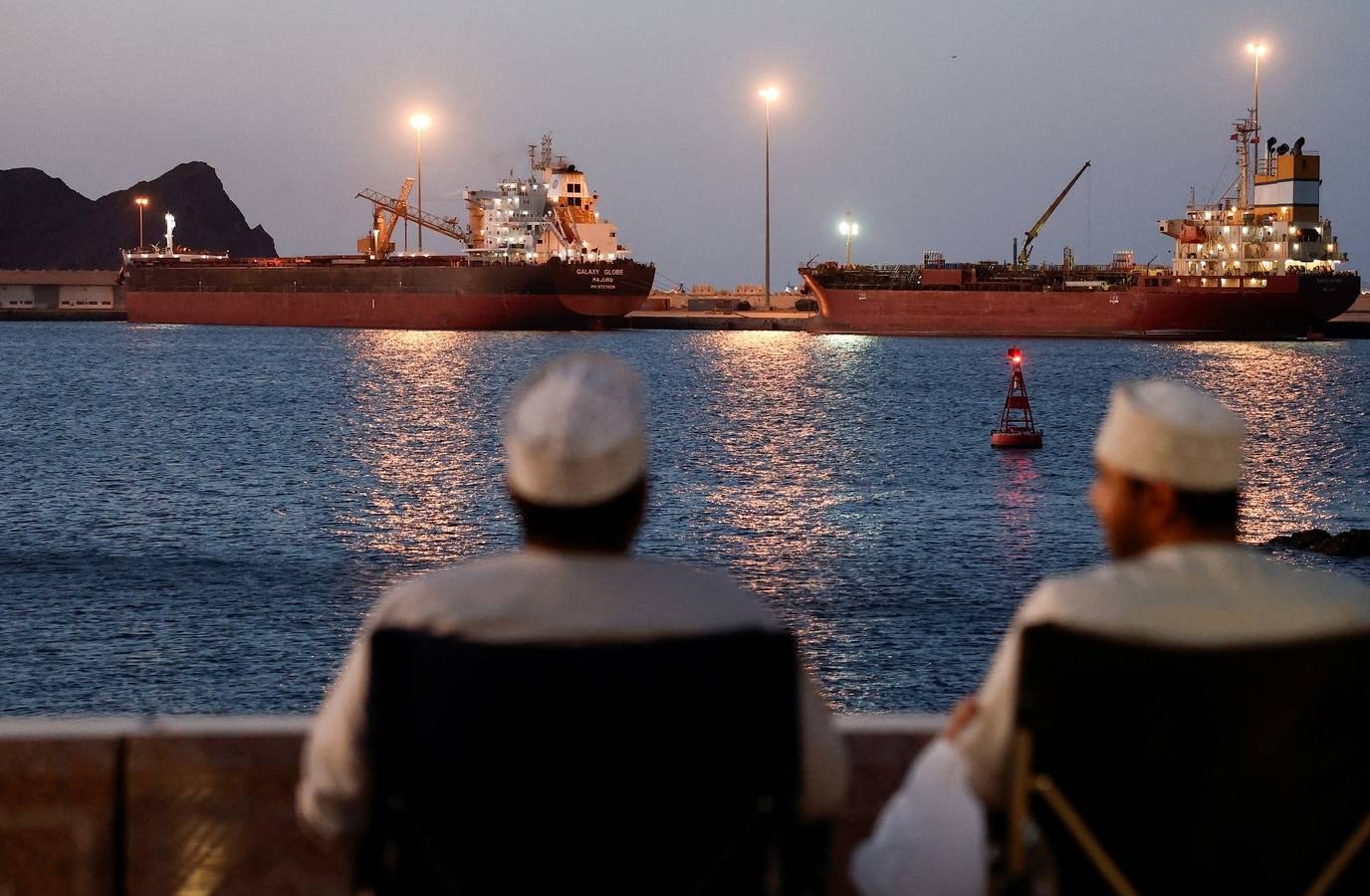
The sharp swings highlight growing anxiety among traders as the Strait of Hormuz, through which roughly 20% of the world’s oil passes, remains effectively closed to most commercial traffic.
Shipping companies have largely halted tanker movements through the route due to security concerns, creating bottlenecks in the Persian Gulf and forcing major producers to cut output.
Saudi Arabia, Iraq, the United Arab Emirates and Kuwait have all reduced production as storage facilities fill and exports slow.
Saudi Aramco chief executive Amin Nasser described the situation as “the biggest crisis the region’s oil and gas industry has faced.”
The war between the United States, Israel and Iran continued to intensify on Tuesday, with the Pentagon describing it as the most intense day of attacks yet.
US defense secretary Pete Hegseth said Washington would continue operations until Iran is “totally and decisively defeated.”
Iran has responded with drone and missile strikes targeting US bases and energy infrastructure across the region, including in the UAE, Saudi Arabia, Kuwait and Bahrain.
A drone strike forced the shutdown of the major Ruwais oil refinery in the United Arab Emirates after a fire broke out in an industrial area near the facility, according to people familiar with the matter.
At the same time, Israel continued strikes on southern Lebanon aimed at weakening Iran-backed Hezbollah forces.
More than 1,300 Iranians have been killed since the war began, according to official figures by Iran government. The US has reported at least seven military deaths and around 150 injured personnel.