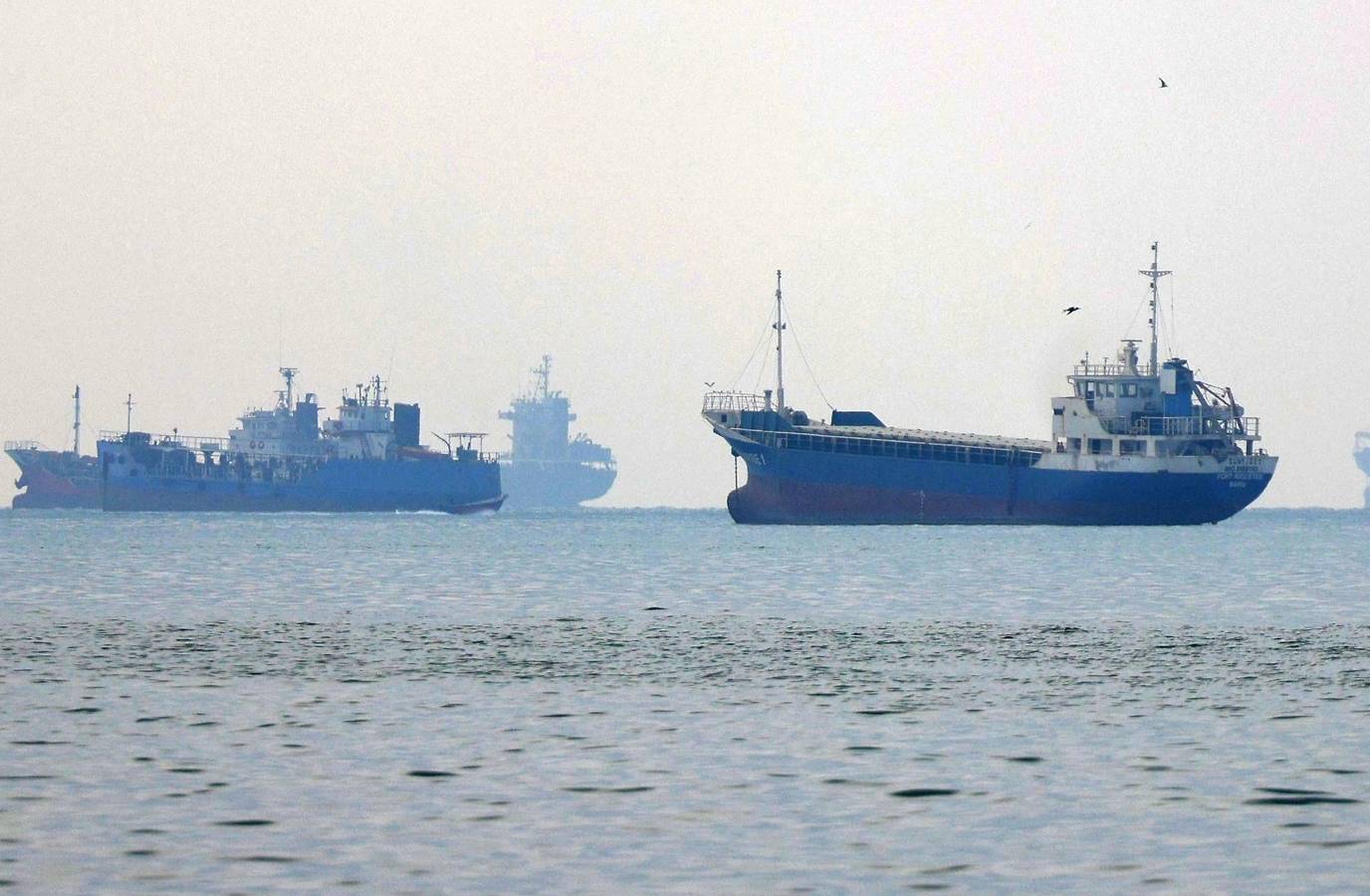

The ongoing US-Iran war has led to a blockade on the Strait of Hormuz, squeezing global oil supplies and driving up petrol prices. However, the world's economies are less vulnerable than they were in the 1970s, when two major oil shocks hit the global economy.
The 1973 Yom Kippur War and the 1979 Islamic Revolution in Iran led to a double blow to the global economy, prompting countries to increase their energy efficiency, reduce their dependence on Middle Eastern oil, and find alternative sources of energy.
Today, the US and other countries have made significant changes, including the rise of fracking, which has rejuvenated US energy production and made America a net petroleum exporter.
Despite the lessons learned from the 1970s, the current war has still had a significant impact on the global economy, with oil prices surging and threatening a return to stagflation.
The world still uses more oil than ever, but a bigger share of global energy is coming from other sources such as natural gas, nuclear, and solar.
The US government has also taken steps to reduce its dependence on foreign oil, including imposing fuel economy standards and stockpiling oil.
However, some experts warn that the US economy is still heavily reliant on petroleum fuel, and that a disruption in the global market can have far-reaching consequences.