In 2004, Steve and Terri Irwin turned a packing shed into a wildlife hospital; by 2024, it had admitted more than 136,000 animals | World News
In 2004, Steve and Terri Irwin turned an avocado packing shed into the Australia Zoo Wildlife Hospital, which had admitted more than 136,000 animals by 2024. | World News
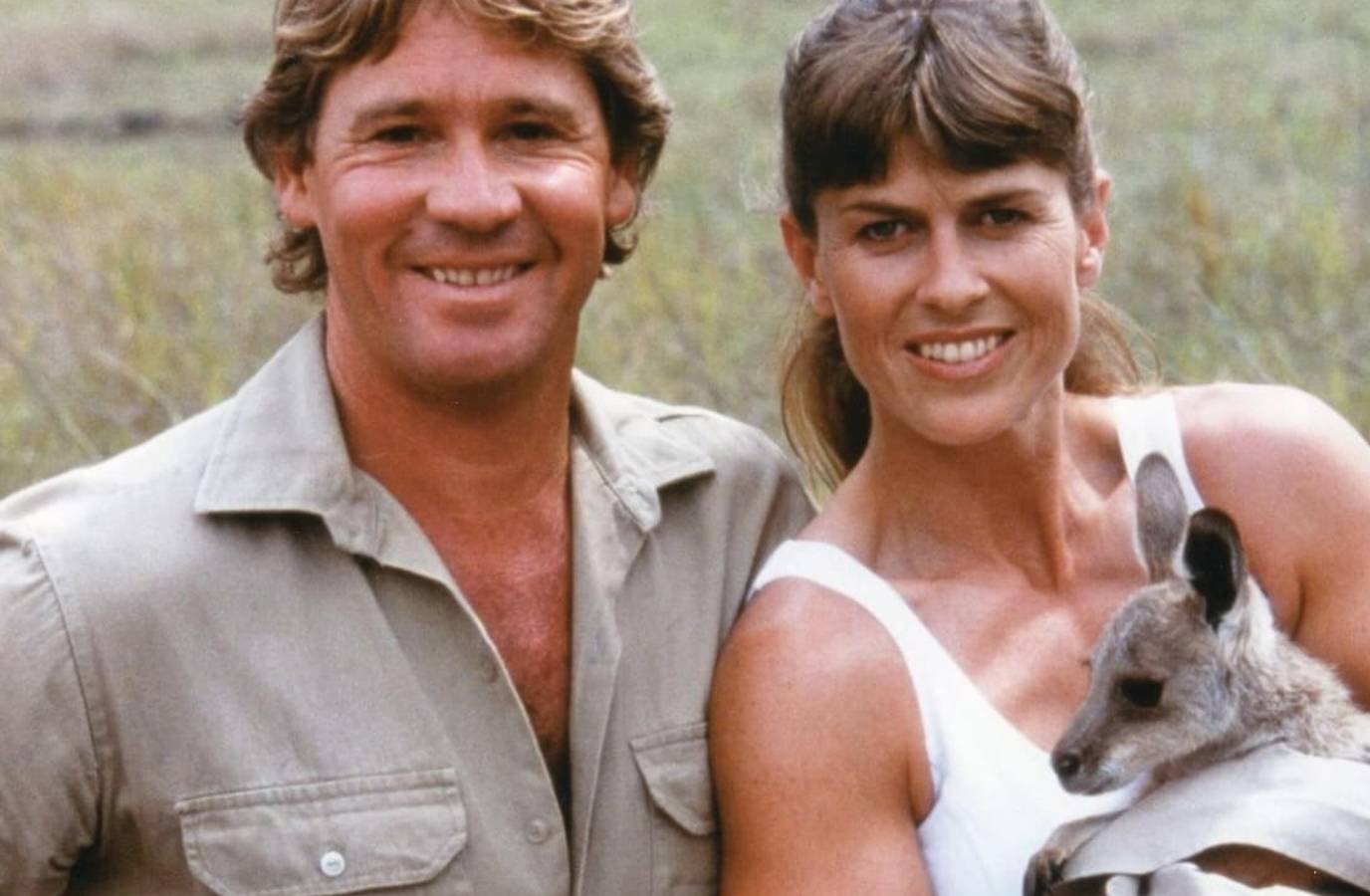
There was a small avocado packing shed somewhere in Queensland, Australia. Soon it was taking in injured wildlife, including birds, possums, and koalas. That is how the Australia Zoo Wildlife Hospital began in 2004. The little shed was renovated by Steve and Terri Irwin in memory of Steve’s mother, Lyn, according to Wildlife Warriors, the charity that supports the hospital. By 2024, the hospital had admitted more than 136,000 animals, and it all started with a simple idea: an animal in trouble deserves a chance.A dream that began with Lyn IrwinLyn Irwin was a pioneer in wildlife care and rehabilitation. Her dream was to build a facility that could look after wildlife in need. Steve and Terri turned that dream into a working hospital in Beerwah, Queensland. Four years later, on November 15, 2008, a brand-new facility opened. That date is Steve Irwin Day, and Wildlife Warriors notes the new building was needed to house a growing number of patients. Saving wildlife was Steve’s mission, and the charity says that mission is now its own.Inside the hospital todayToday the hospital has a surgical theater, an X-ray room, intensive care units and a pathology lab. Wildlife vets and nurses provide care at no cost to the public. The charity says the hospital sees between 9,000 and 10,000 animals in a 12-month period and is one of the world’s largest and busiest of its kind. The hospital is open 24 hours a day, as noted in a 2019 study published in PLOS ONE. The cases vary a lot, from a kangaroo hit by a car to a koala joey without a mother or a sea turtle that ate plastic. Orphaned animals can be kept in a warm, humid incubator until they can be sent to a wildlife carer. Native wildlife is never turned away, Wildlife Warriors says, no matter how small the patient is.Who comes through the door?Not all patients are koalas. Birds accounted for 43% of admissions between 2004 and 2024, based on figures on the charity’s website. Next up are possums and gliders at 15%, reptiles at 12%, koalas at 9%, and bats at 5%. Because these figures cover a longer period than the study below, they should not be compared directly. Among the threats the charity lists are road traffic, attacks by domestic animals and land clearing.What the research foundThe 2019 study examined the hospital’s own data. Researchers from the hospital and the University of the Sunshine Coast looked at 31,626 admissions of 83 native species between 2006 and 2017. That was a filtered sample of the 74,230 admissions recorded in those years, because the team left out cases such as animals that arrived dead, marine animals, and records with an unclear cause, so the study’s yearly counts are lower than the hospital’s totals. Car strikes were the most common cause of admission at 34.7%. Orphaned young followed at 24.6%, signs of disease at 9.7%, dog attacks at 9.2%, entanglements at 7.2%, and cat attacks at 5.3%. The number of annual admissions nearly tripled from 1,216 in 2006 to 3,582 in 2017.Average death rates across species groups were highest following dog attacks (72.7%) and car strikes (69.1%). The lowest average was for the orphaned animals (22.1%). Admissions also peaked in the spring. The authors suggest the rise in admissions may be linked to human population growth, with the Sunshine Coast’s residents growing from 236,654 in 2006 to 346,522 in 2016. The two trends rose together statistically, but that shows a link rather than proof of cause, and the authors also tie spikes in some years to severe weather. They also note that animals injured by humans are more likely to end up in hospital, so the data may miss some of the risk. Still, hospital records like these can help track wildlife health.For the rest of us, the main takeaway is simple. Small everyday choices we make, like driving safely near bushland and keeping pets under supervision, can help keep wildlife safer. Steve's mission was saving wildlife, and now it is the charity's.