Iran won't reopen Strait of Hormuz until conditions, US commitments are met: Ghalibaf | World News
Parliament speaker Mohammad Baqer Ghalibaf said Tehran would combine military action with diplomacy to advance its interests. | World News
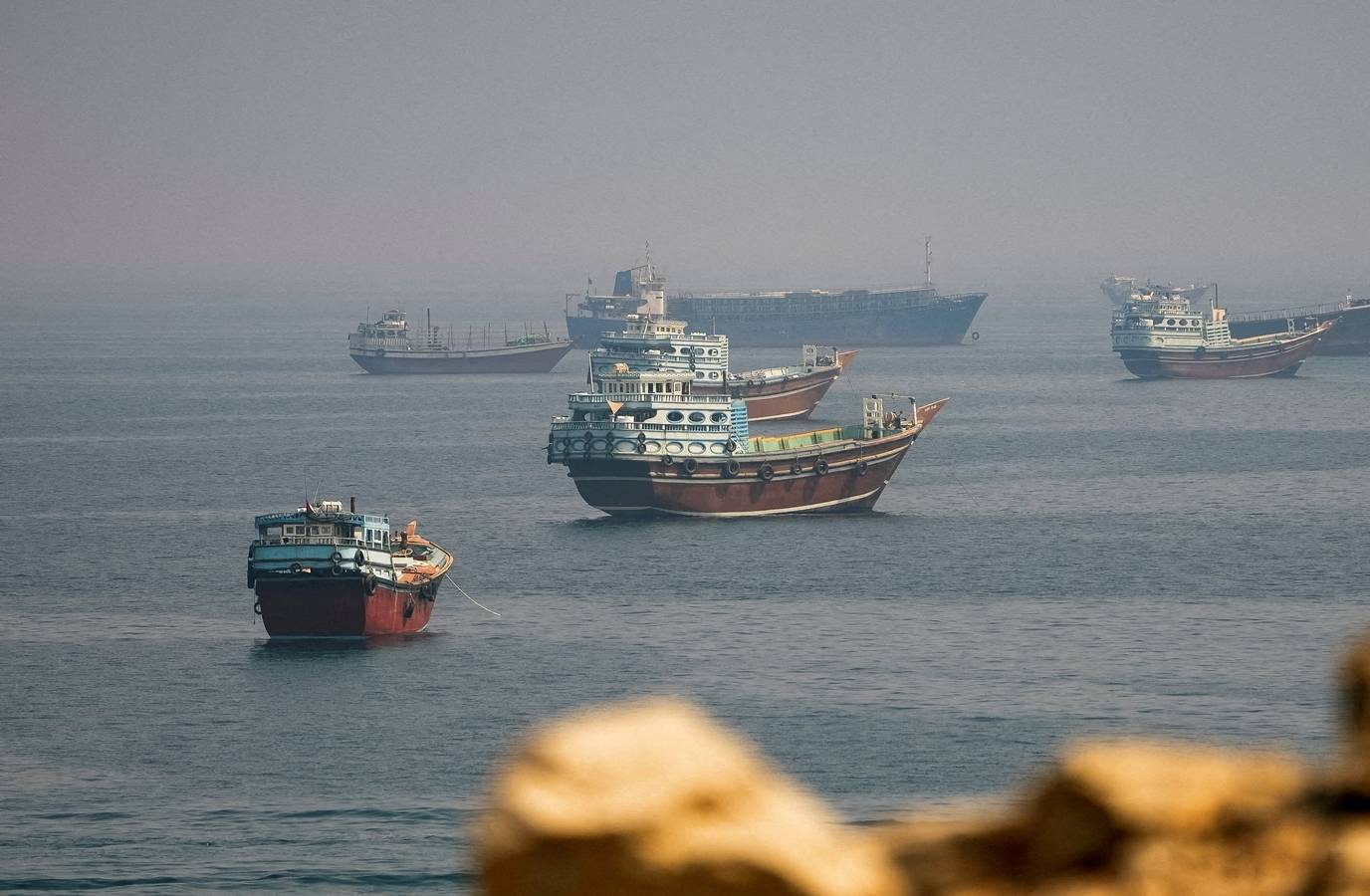
Iran will not reopen the Strait of Hormuz until its conditions are met and US commitments are implemented, parliament speaker Mohammad Baqer Ghalibaf said on Sunday according to the semi-official Fars news agency.Iran must both fight and negotiate, Ghalibaf said, adding that Tehran would use military force to push back its enemies and diplomacy to consolidate battlefield gains when the time is right.Tehran sets terms for negotiationsIran has communicated seven demands to the United States through Qatar as a possible basis for negotiations to end the war, according to an Iranian diplomat.Mohsen Rezaei, secretary of Iran’s Supreme National Security Council, said Tehran was waiting for Washington to respond to the conditions conveyed through the Gulf mediator. “We remain in contact with the mediator Qatar, which has conveyed our conditions to Washington with the aim of ending the war. We are awaiting President Trump’s response,” Rezaei was quoted as reported earlier.The demands include an immediate halt to hostilities across all fronts, the releasing of Iranian assets and the lifting of the US naval blockade, according to the diplomat.Also read: Iran sets 7 conditions for US talks, warns Trump of ‘decisive war’ if terms rejectedIran warns of prolonged conflictRezaei said Tehran was also prepared for a “decisive war” if US President Donald Trump rejected the conditions. The warning comes as Iran seeks to keep diplomatic channels open while maintaining its readiness for further military operations.Qatar has emerged as the channel for communication between Tehran and Washington as both sides assess the possibility of renewed talks.Also read: AI use, faulty intel, dated imagery: The US ‘kill chain’ behind Iran school strike that killed 123Conflict follows strikes on IranThe US-Iran war began on February 28 with coordinated US and Israeli air strikes on Iran. The attacks killed Iranian Supreme Leader Ayatollah Ali Khamenei along with several senior officials.As a result, Iran closed the Strait of Hormuz, disrupting a key global oil shipping route and deepening the crisis worldwide, with concerns growing over energy supplies and international trade.Also read: $22.3 billion spent in 4 months: US confirms weapons shortage amid Iran warIran subsequently retaliated by targeting US military bases across the Gulf region. Washington and Tehran have since carried out several rounds of strikes, intensifying the conflict while diplomatic efforts continue.Iran’s latest message indicates that any return to negotiations will depend on Washington addressing its stated demands. At the same time, Tehran has signalled that it could continue military operations if the US rejects the proposed terms(With inputs from Reuters)