Saudi Arabia can fund a long war against Houthis, but can't defeat them: Where the military power stands | World News
Despite having the eighth-largest defence spending, Saudi has been unable to contain the threat posed by the Houthis, with the conflict escalating every day. | World News
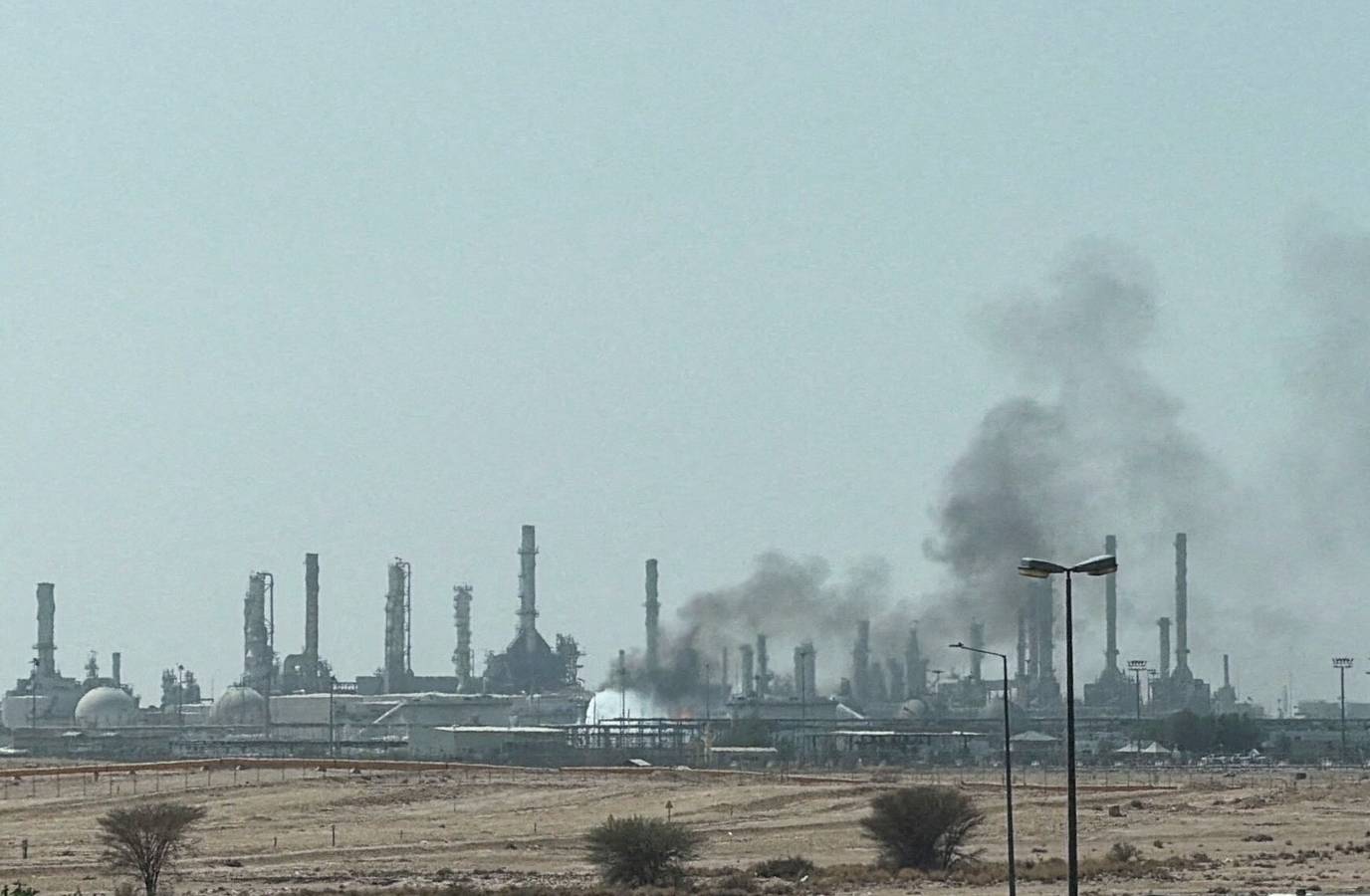
As the conflict between Saudi Arabia and the Houthis continues to escalate, certain reports have surfaced, which claim that while Riyadh can afford a war with the Yemeni militant group, it may not be enough to defeat them.In the latest development, the Houthis struck Saudi Arabia's King Khalid International Airport in Riyadh, killing at least 13 people and injuring 309. This strike also marked a major escalation in the conflict between the two rivals.Also Read | Saudi airport attack: Why are Yemen’s Houthis targeting Riyadh?Saudi vs Houthis: Where the firepower stands As per the defense economics researcher, Military Spend, Saudi Arabia spent around $83.2 billion on its military in 2025, marking the world's eighth-largest defence budget. Despite having the eighth-largest defence spending, the Gulf nation has been unable to contain the threat posed by the Houthis, with the conflict escalating every day.While the exact figure for the Houthis remains unknown, as per an Al Jazeera report, the militant group's total revenue amounts to $2.5 billion from taxation and another two billion in illicit oil sales.Despite having the airpower, Saudi Arabia has turned to the United States, with Crown Prince Mohammed bin Salman reportedly calling US President Donald Trump twice, urging Washington to strike the Houthis directly.While Trump declined to launch, Washington agreed to provide intelligence and targeting support.Also Read | Saudi Crown Prince called Trump twice to strike Houthis, he rejected request: ReportThe escalating conflict with the Houthis also comes as the militant group seizes key ports in the Red Sea amid the ongoing war between the United States, Israel and Iran, which has already impacted the Strait of Hormuz.With Houthis capturing the Red Sea, Saudi's economy is hampered, prompting the kingdom to protect an economic system built around a handful of extraordinarily valuable and geographically exposed nodes.Furthermore, a Wall Street Journal report suggests that Saudi Arabia is running low on interceptor missiles needed to defend itself against the Houthis.According to the WSJ, citing Saudi officials, the escalating attacks have transformed parts of Riyadh, located more than 500 miles from Houthi-controlled territory in Yemen, into a potential battle zone.Riyadh is estimated to have about 257,000 active personnel across the Royal Saudi Armed Forces (Land, Air, Navy, Air Defense, Strategic Missile Force), plus around 130,000 in the Saudi Arabian National Guard (SANG) which reports separately to the King.While latest data is not available for the Houthis, a 2024 report by UN experts estimates that the Yemeni group recruited up to 350,000 fighters by 2024, up from just 30,000 in 2015.Lasting defeat would require ground troopsSpeaking to the Associated Press, Thomas Juneau, a professor of international affairs at the University of Ottawa specialising in Iran and Yemen, said that any lasting defeat would require ground troops.“(Yemen’s) internationally recognized government is fragmented, it’s weak, it’s disunited, it’s corrupt, and the Houthis have systematically been able to exploit that,” he said, noting that Saudi remains reluctant to enter another full-scale war with the Yemeni group.Furthermore, the ongoing conflict between the US and Iran also deters the chances of another war in the region, resulting Saudi to stay away from entering another conflict amid already high tensions.