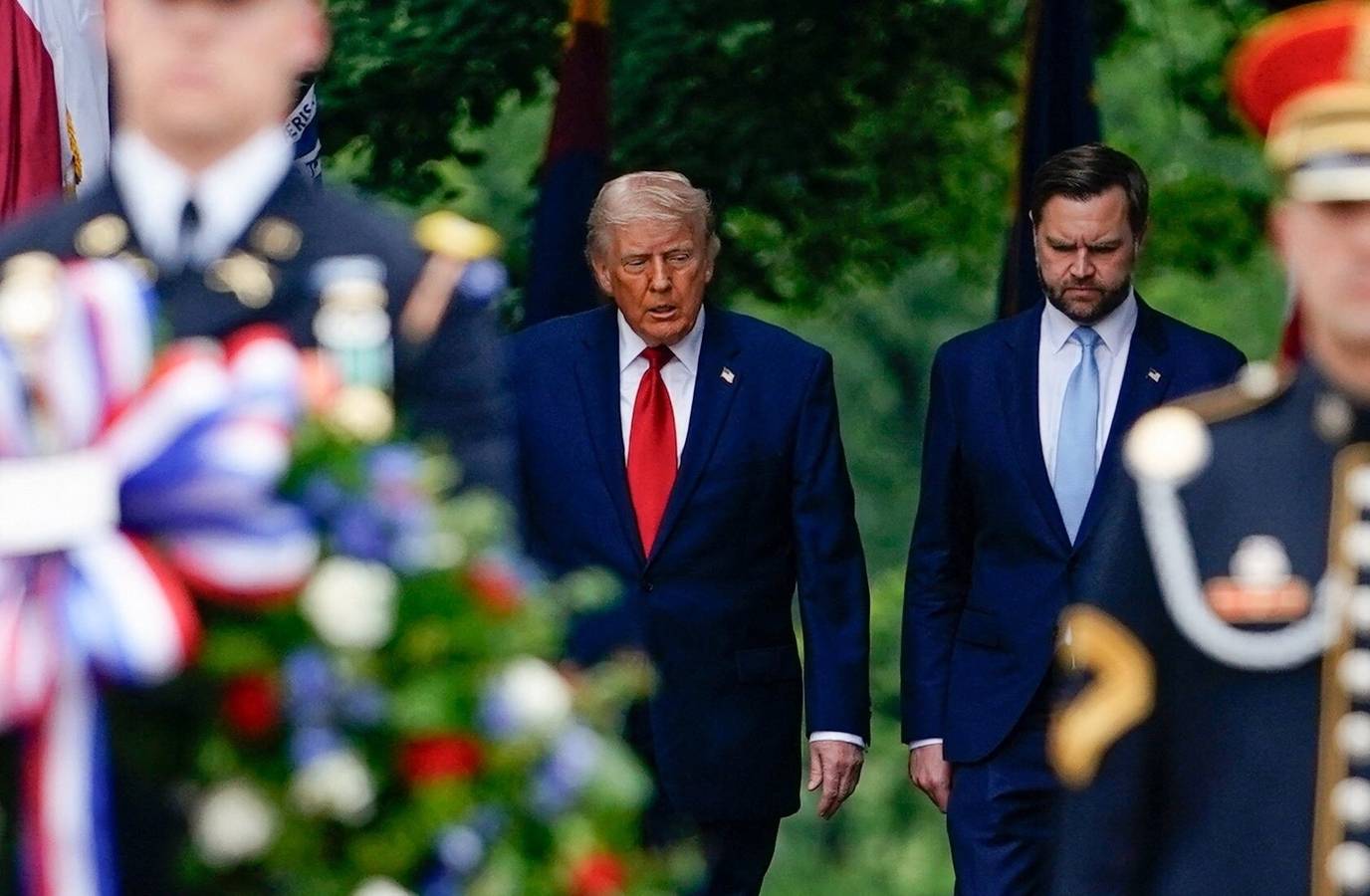
President Trump has expanded the scope of his diplomatic ambition in the Middle East, seeking not only an end-of-war agreement with Iran but also a pact to normalize relations between Israel and the broader region.
The normalization push could give Trump a way to cast any limited cease-fire and shipping pact as a larger regional success story instead of a climbdown, after defense hawks in his own party warned that a bad deal could tarnish his legacy.
Negotiations with Iran have yet to produce a final deal despite White House claims of major progress, while Middle Eastern partners such as Saudi Arabia and Qatar are privately pushing back against Trump’s insistence that they join the Abraham Accords and establish diplomatic relations with Israel.
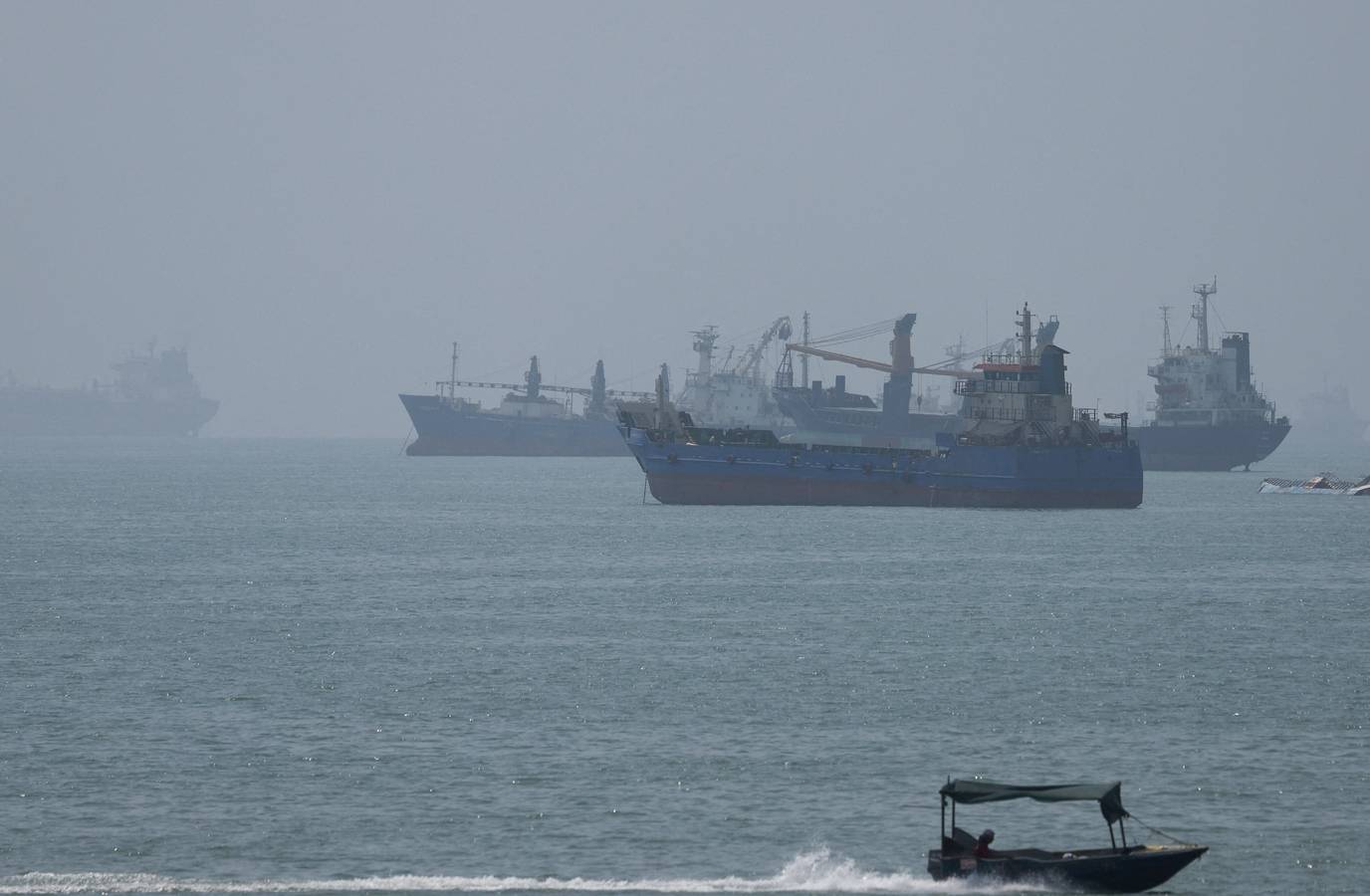
Tensions rose on Monday as the U.S. sunk two Islamic Revolutionary Guard Corps ships attempting to lay mines in the Strait of Hormuz. Iran responded by launching surface-to-air missiles at U.S. planes, prompting American attacks on missile launchers near Bandar Abbas, a U.S. official said.
Trump has appeared stuck between seeking a diplomatic end to an unpopular war that has now stretched nearly three months or striking Iran—an option backed by the hawkish wing of the GOP—to further weaken the regime and pressure it to relinquish its highly enriched uranium stockpile.
Some hawkish Republicans, including Sen. Ted Cruz (R., Texas), slammed the contours of the deal that emerged over the weekend as a potential mistake that would empower Tehran and too closely resemble the nuclear agreement reached by former President Barack Obama, which Trump terminated during his first term.