US Fed Rate Hike: What higher rates mean for S&P 500, Nasdaq and tech stocks | Hindustan Times
US Fed Rate Hike: Wall Street expects higher rates as inflation and oil prices add pressure on the Fed.
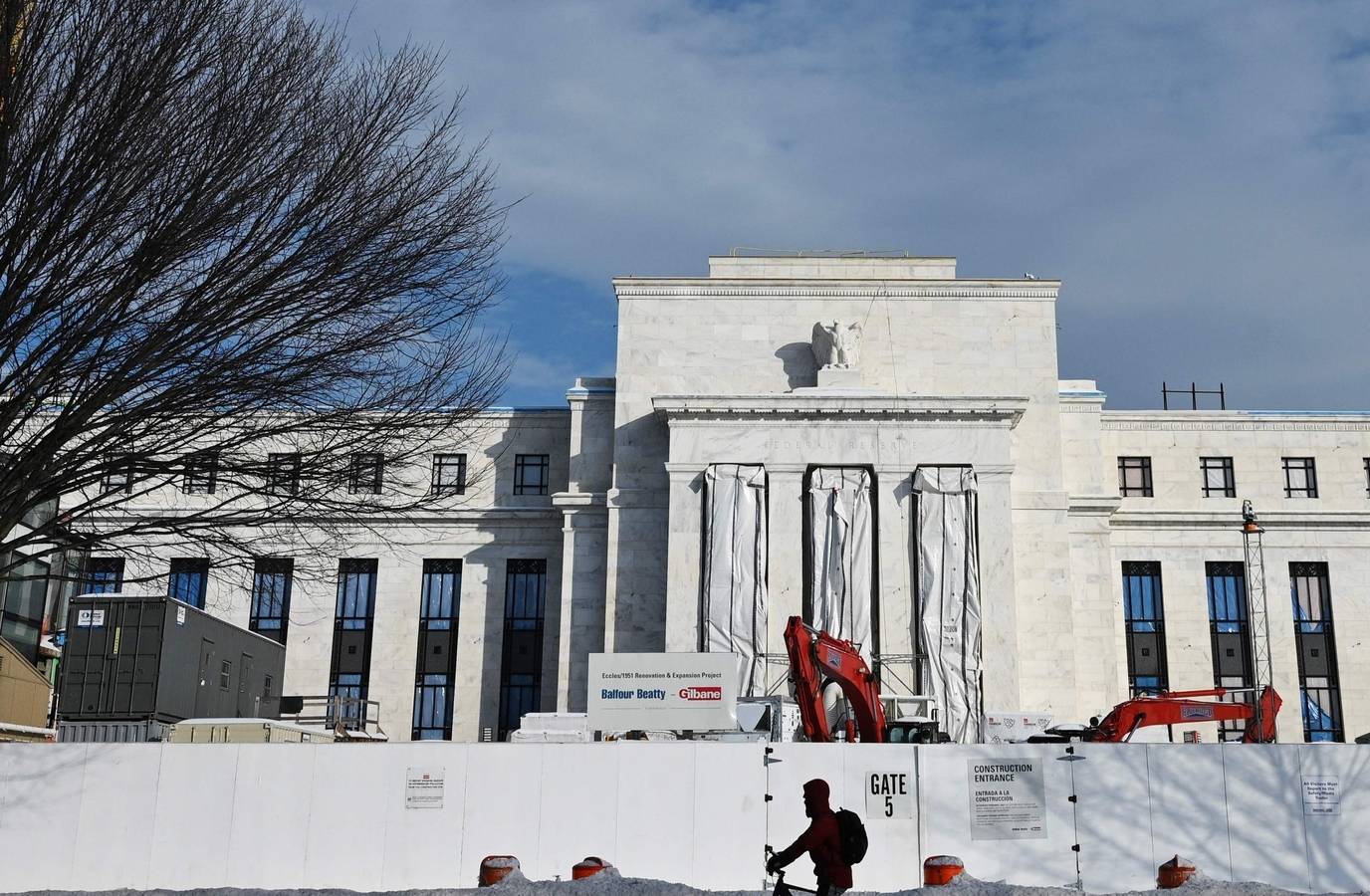
US Fed Rate Hike: The US Federal Reserve raised its benchmark interest rate by 0.25 percentage point on Wednesday, September 16, taking the federal funds target range to 3.75%-4%. The move was widely expected by Wall Street.The rate increase is the Fed’s first hike since July 2023, after the central bank cut rates six times by a total of 175 basis points, or 1.75 percentage points. The Fed is now dealing with stubborn inflation, higher oil prices and a firmer labour market.Why the Fed raised ratesFed Chair Kevin Warsh’s comments at the Jackson Hole symposium had already pushed markets toward expecting tighter monetary policy. His remarks on August 28 were followed by a shift in expectations for higher interest rates, CNBC reported.Fresh inflation data added to those concerns. Inflation remained a problem for the central bank, while the US labour market also showed signs of strength. CNBC reported that the latest inflation data and a firming labour market helped build the case for higher rates. Also read: Fed meeting updates: Warsh raises rates to 3.75%-4%, signals more hikes, market reaction, what it means for your moneyOil prices add inflation pressureHigher oil prices are another concern for the Fed. Crude oil had moved back above $100 a barrel as the Iran conflict affected the market.Higher oil prices can increase costs across the economy and make it harder for the Fed to bring inflation down. CNBC linked the rise in oil prices to additional pressure on the central bank to act.More Fed rate hikes could comeThe Fed has also signalled that another rate increase could come before the end of 2026. This means borrowing costs could rise again later this year.Morgan Stanley has also changed its forecast for Fed policy. The bank previously expected no more rate hikes this year, but it now expects two hikes. Morgan Stanley expects one hike this week and another in December.Morgan Stanley economists said the change was partly based on Warsh’s public comments, higher oil prices, inflation linked to artificial intelligence and the broader shift in market expectations toward higher rates.Morgan Stanley also warned that not raising rates could hurt the Fed’s credibility. Michael Gapen, chief US economist at Morgan Stanley, said failing to hike could increase concerns about the Fed’s credibility and push up longer-term risk premiums. He made the comments in a Morgan Stanley note on Monday.What the Fed projections showInvestors are also watching the Fed’s updated Summary of Economic Projections. The document includes fresh forecasts for inflation, unemployment and gross domestic product (GDP).The Fed’s projections also include the dot plot, which shows where officials expect interest rates to go. The latest update includes expectations for 2029 for the first time, giving investors a longer-term view of the central bank’s rate outlook.These projections could give markets more clues about whether the latest rate hike is part of a longer hiking cycle or a smaller adjustment.What Fed hike means for stocksStocks could face pressure after the Fed raises rates, although past rate-hike cycles show that the weakness does not always last. HSBC expects another hike in December and said stocks may initially decline.Also read: Why are stock futures rising before US Fed rate decision? S&P 500, Nasdaq, Dow react as 10-year yield hits 5%HSBC head of Americas equity strategy Nicole Inui wrote that the S&P 500 typically dips at first during rate-hike cycles before gradually recovering.In smaller rate-normalisation cycles such as 1997 and 2016, stock-market performance generally improved around three to six months after the first hike, according to HSBC’s historical analysis.However, rate hikes can also expose weaknesses in the economy and financial markets. HSBC pointed to the dot-com bubble bursting about nine months after the 1999 rate-hike cycle began and the housing slowdown in late 2006 after a rate-hike cycle that started in 2004.HSBC expects consumer and corporate stocks to remain resilient despite higher rates. The bank is forecasting 50 basis points of rate hikes through the rest of 2026 while keeping its year-end S&P 500 target at 8,100.Why tech stocks may face pressureTechnology stocks have historically been more sensitive to higher interest rates. DataTrek Research said tech stocks generally take a hit after the Fed starts raising rates, although the weakness has often been temporary.The Nasdaq is made up of about 60% technology stocks, making it particularly sensitive to changes in interest rates, according to DataTrek Research.The Nasdaq fell in the month after a rate hike in five of the past six hiking cycles. In four of those cycles, the decline became worse three months later.However, the longer-term picture was mixed. The Nasdaq was higher six months after the rate hike in three of those cases, DataTrek Research found.The six-month results have also varied widely. The Nasdaq’s best six-month return after a rate hike was a 50.3% gain in 1999, while its worst was a 9.9% decline in 1994, according to DataTrek.DataTrek is also warning about the combination of high oil prices and heavy AI spending. Nicholas Colas, co-founder of DataTrek Research, said elevated oil prices could hurt economic growth, affect the cash flows of major cloud companies and reduce confidence in AI capital spending.Colas also warned that higher oil prices could push inflation up again and force the Fed into a longer rate-hike cycle. He pointed to 1994 as a cautionary example if oil prices remain high and the central bank has to continue raising rates.S&P 500 Fed-day lossesThe stock market has also had a difficult pattern on Fed decision days in 2026. The S&P 500 fell on each of the five Fed decision days before the September meeting, with an average decline of about 1.5% during those sessions, according to Bespoke Investment Group.Bespoke said the five-day losing streak was historically unusual. The only longer stretch in which the S&P 500 fell on consecutive FOMC decision days was a seven-meeting streak that ended in 2018.What investors are watching nowThe focus has now shifted from whether the Fed would raise rates to how much further rates could rise in 2026.Markets are watching the possibility of another December rate hike, along with the Fed’s inflation, unemployment, GDP and interest-rate projections.Higher oil prices, inflation and the strength of the labour market will remain important factors as investors assess the Fed’s next moves. At the same time, the path of interest rates could continue to affect the S&P 500 and technology-heavy Nasdaq.