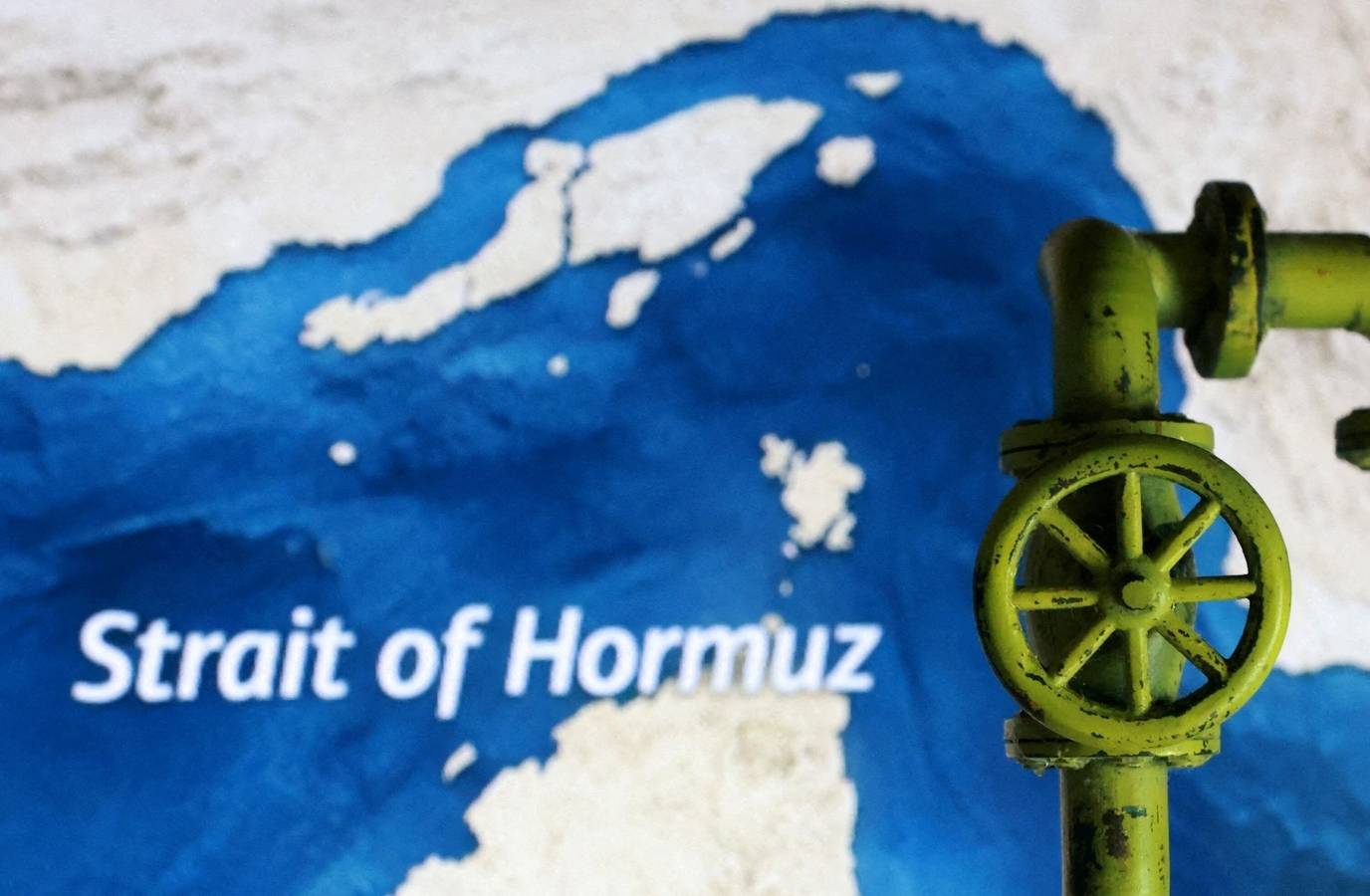
Will they, won't they? All eyes are on Iran today, waiting to see whether the Islamic Republic opens the Strait of Hormuz ahead of Donald Trump's deadline.
The US President has threatened to open the 'gates of hell' if Iran does not open the key shipping route today.
Iran has refused to back down and has also rejected a temporary ceasefire proposal despite Trump repeatedly claiming that he will target critical infrastructure in Iran if shipping through Hormuz is not restored.
The narrow strait — which carries roughly a fifth of global oil supplies — remains heavily disrupted, pushing energy prices sharply higher and triggering fears of a prolonged global crisis.
War escalates as deadline ends
The ongoing US-Iran war has already killed thousands across Iran, Israel, Lebanon and the wider region, with missile exchanges continuing and infrastructure increasingly targeted.
Trump has escalated rhetoric, saying he is “not at all” concerned about potential war crimes as he threatens to strike Iran’s bridges and power plants if Tehran fails to comply before the deadline.
Meanwhile, the United Nations has warned that attacking civilian infrastructure would violate international law.
How can Strait of Hormuz be opened?
Analysts say there are three main pathways through which the Strait of Hormuz could reopen:
1. Ceasefire deal with Iran
The most immediate and likely scenario is a ceasefire agreement between Iran and the US.
Under this, Iran could agree, temporarily or conditionally, to reopen the strait while broader negotiations continue.
However, this would likely leave Tehran firmly in control of the waterway.
Experts warn Iran may impose informal tolls or restrictions on shipping, effectively turning Hormuz into a controlled chokepoint even in peacetime.
Such costs would likely be passed on globally through higher oil prices.
This option depends heavily on whether Iran is willing to make concessions under military and economic pressure - something it has so far resisted.
2. US-led military intervention
A second, more aggressive path would involve direct US military action to reopen the strait.
This could include:
Deploying naval forces to clear mines
Escorting oil tankers through the waterway
Expanding operations to secure strategic Iranian assets
While the US has already built up tens of thousands of troops in the region, such a move carries major risks — including a wider regional war and heavy casualties.
So far, Washington appears reluctant to act unilaterally without strong allied backing, which remains uncertain.
3. Global effort, led by UN
The third scenario involves a diplomatic and collective security solution led by the international community.
The United Nations Security Council has already passed a resolution addressing maritime security in the Gulf.
A future mandate could allow a multinational naval coalition to secure the strait and ensure safe passage.
Countries like the UK, Australia and potentially Asian powers could contribute forces - but only once active hostilities subside.
This option is seen as a fallback if the US withdraws without resolving the crisis, leaving global powers to step in.
A new reality for global oil trade
Even if Hormuz reopens, experts warn the pre-war status quo is unlikely to return.
Iran's geographic control over the strait means it will retain long-term leverage over global energy flows.
The current crisis has already demonstrated how quickly supply chains can be disrupted - and how vulnerable the world remains to chokepoints like Hormuz.
With Trump's deadline expiring and no immediate breakthrough in sight, the world is bracing for either a last-minute deal or a dangerous new phase in the US-Iran war.