Why did Army Secretary Dan Driscoll resign? 'Conflict' with Pete Hegseth explained | Hindustan Times
Dan Driscoll is stepping down following months of conflict with Defense Secretary Pete Hegseth.
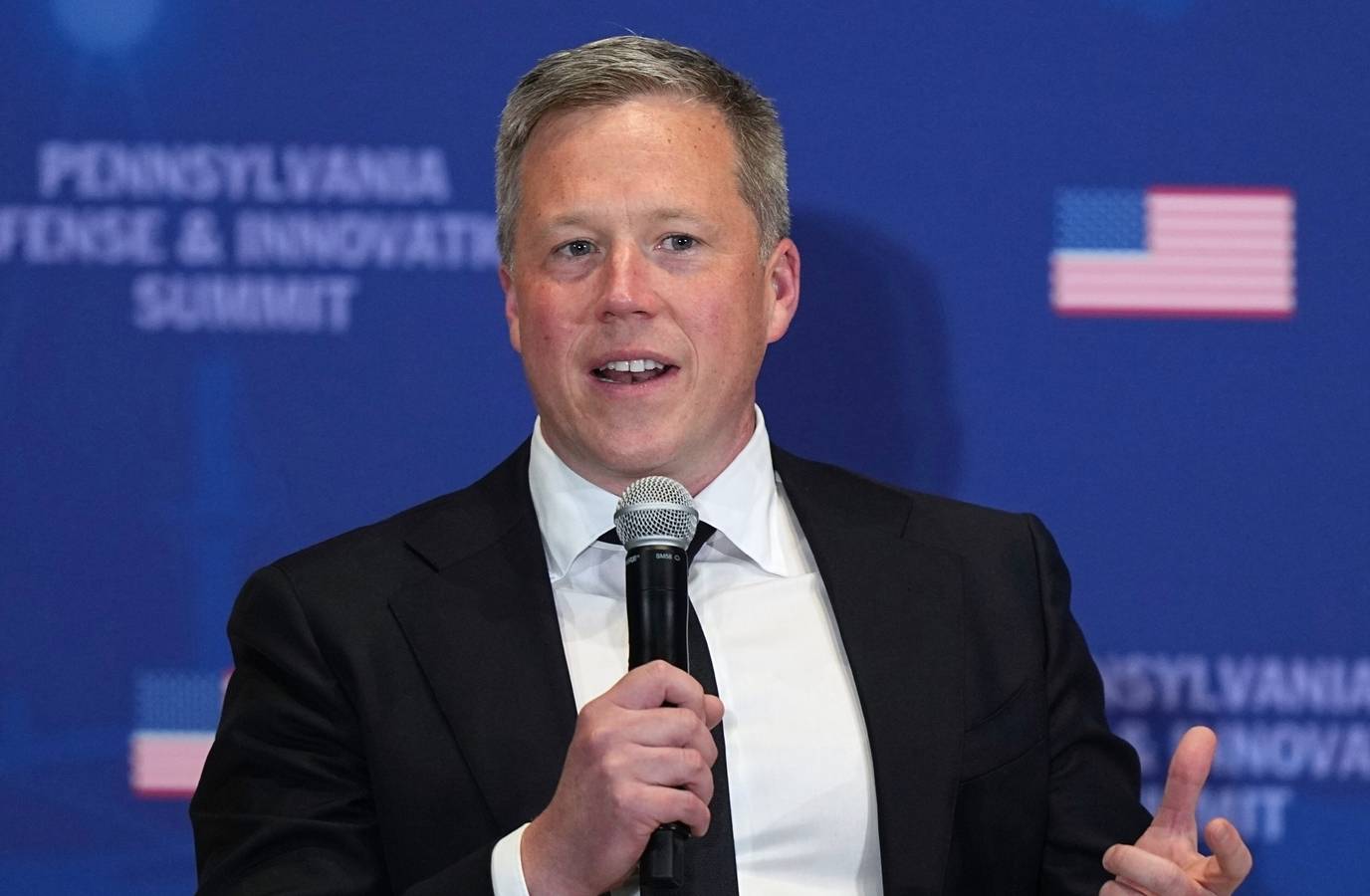
Army Secretary Dan Driscoll is stepping down, the White House announced Monday, following reports of months of tension and disagreements with Defense Secretary Pete Hegseth.According to CNN, Driscoll “spoke to the president about the current state of the Army and submitted his resignation.” The White House praised Driscoll’s record in a statement but did not mention the reported internal disputes.White House spokesperson Anna Kelly said, “Secretary Driscoll has been highly effective in advancing President Trump’s agenda to Make America Strong Again at the Department of the Army by providing outstanding leadership during historic military operations, restoring an emphasis on readiness and lethality, assisting with negotiations between Russia and Ukraine, and more.”The retirement coincides with continuous changes in the Department of Defense's leadership and the US military's continued involvement in a prolonged confrontation with Iran.Also read: Pete Hegseth running for president in 2028? Secretary of Defense says ‘my only job…’Months of reported friction with Pete HegsethAlthough no official reason has been given for the resignation, CNN reported that the move followed months of friction between Driscoll and Hegseth.One source told the network that the resignation was not surprising because of the strained relationship between the two officials. According to CNN, disagreements frequently centred on Driscoll’s close relationship with Vice President JD Vance and his direct access to the White House.Driscoll and Vance attended Yale Law School together and have remained close friends since.CNN reported that Hegseth viewed Driscoll’s ties to senior administration officials as an effort to bypass the Defense Secretary in decision-making. The report cited multiple unnamed sources familiar with internal Pentagon discussions.Concerns within the Pentagon during Hegseth's tenure were mirrored in the reported tensions. CNN previously reported that Hegseth had become increasingly distrustful of both civilian and military officials. He questioned their loyalty which ultimately created friction among senior leadership.Earlier this year, Hegseth dismissed Army Chief of Staff Gen. Randy George along with two other generals. George had worked closely with Driscoll.Also read: Who is Daniel Driscoll? All about US Army Secretary who has replaced Kash Patel as acting ATF chiefWhat happens next?Driscoll is the most recent high-ranking military official to leave. Earlier this year, Navy Secretary John Phelan also resigned. According to Trump, Phelan “had some conflicts with some other people.” In the past year, several other officers have also retired, including US Southern Command head Adm. Alvin Holsey and former US Army Europe and Africa commander Gen. Christopher Donahue.Due to conflict between the Army commanders who backed the new battalion and interim Army chief of staff Gen. Christopher LaNeve, the Army is now disbanding a new battalion that George supported. The unit was assigned to examine drone warfare lessons, particularly those from the conflict in Ukraine.Driscoll’s departure also comes during a challenging period for the US military. The Iran conflict has now entered its sixth month, with no indication that hostilities will end soon.Beyond military operations, Driscoll also played a role in Trump’s foreign policy initiatives. According to CNN, Trump selected him last year to help encourage Ukraine to return to negotiations with Russia.Last week, CBS News revealed that Driscoll was thinking about leaving his position before year's end.