CRISPR and the future we are editing | India News
CRISPR has given rise to a booming biotechnology sector, with startups, pharmaceutical giants, and agricultural corporations investing billions. | India News
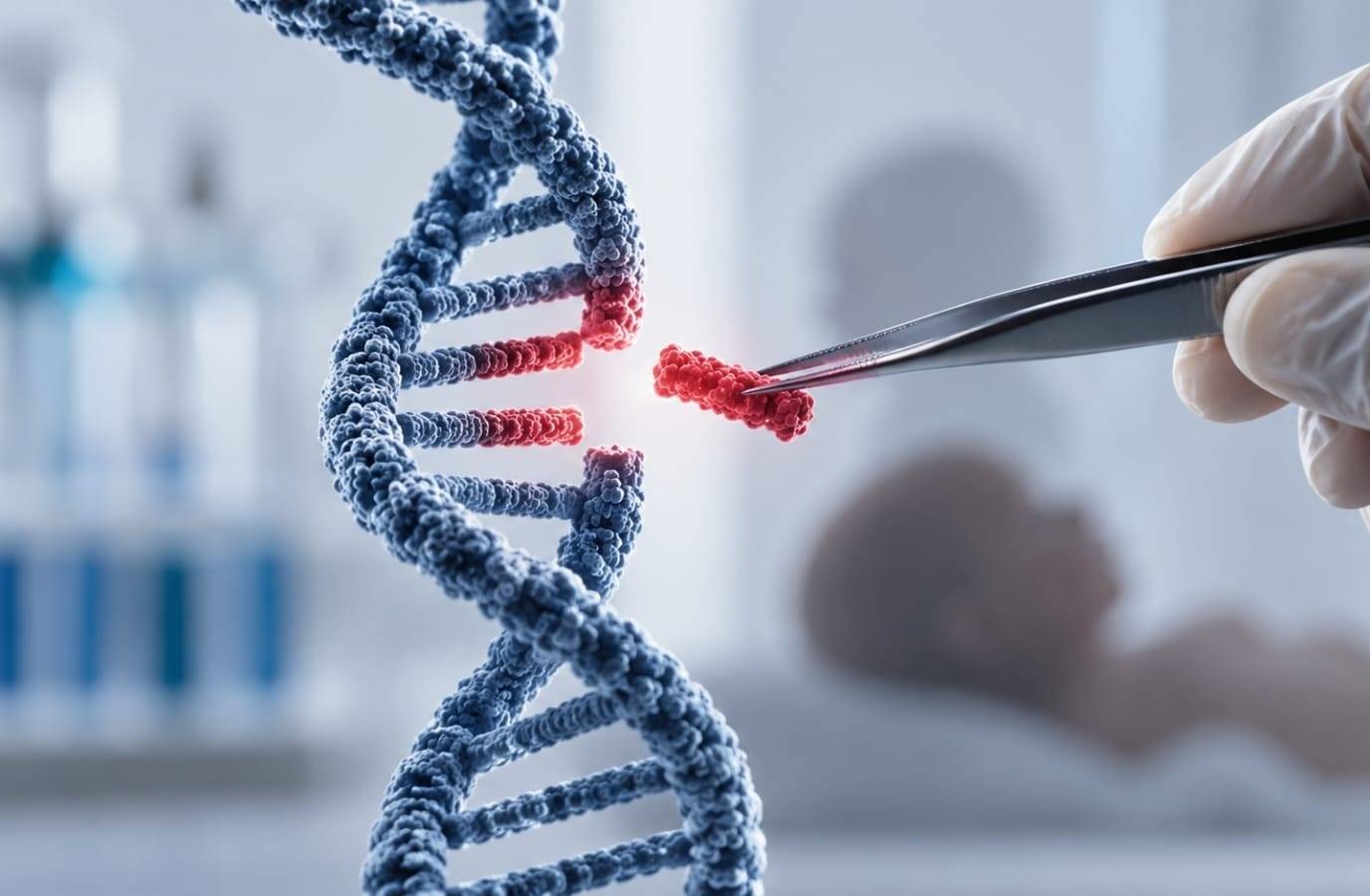
In just over a decade, a scientific discovery buried deep in bacterial biology has moved from obscure laboratories into courtrooms, parliaments, ethics committees, and dinner-table debates around the world. CRISPR, the genome-editing technology that allows scientists to alter DNA with unprecedented ease, is no longer simply a tool of molecular biology. It has become a mirror reflecting society’s deepest hopes and anxieties about health, equity, power, and the limits of human intervention in nature. At its simplest, CRISPR allows scientists to make precise changes to genetic material.What once took years of laborious work can now be done in weeks. This speed and accessibility explain why CRISPR has spread so rapidly across medicine, agriculture, and biotechnology. But they also explain why it has unsettled many. Technologies that are powerful, cheap, and easy to use rarely stay confined to expert hands.ALSO READ | Researchers have created a mouse with a partly human brainThe promise is compelling. In medicine, CRISPR offers the prospect of correcting inherited diseases at their source rather than managing symptoms for a lifetime. For families affected by genetic disorders, it represents hope that future generations might never endure the same suffering. In agriculture, it opens the possibility of crops better able to withstand drought, pests, and climate stress—an increasingly urgent priority in a warming world. But as CRISPR moves closer to everyday application, its ethical and social implications loom larger. Editing genes is not like approving a new drug. It involves altering the biological instructions that shape living beings—and, in some cases, their descendants. The sharpest debate surrounds human germline editing. Changes made to embryos or germ cells can be inherited, affecting not just one individual but future generations. Supporters argue that this could eliminate devastating diseases permanently. Critics counter that it crosses a moral line, creating risks that extend far beyond anyone who can consent. Future generations would live with decisions made today.ALSO READ | Is Alzheimer's in your DNA? Doctors reveal what your family history actually means and whether you should get testedThe controversy over the birth of gene-edited babies in 2018 in China offered a stark warning. The announcement was met with global condemnation and led to tighter regulations in several countries. The episode revealed how quickly technology can outpace governance, and how fragile public trust can be when ethical norms are ignored. Beyond safety concerns lies a deeper unease: the fear of a new era of eugenics.If editing genes to prevent disease becomes accepted, what prevents a shift toward selecting or enhancing traits? Intelligence, physical characteristics, even behavioral tendencies all have genetic components. The idea of “designer babies” may seem exaggerated, but the ethical slope is undeniably slippery once the principle of altering heritable DNA is normalized.ALSO READ | How India's genetic diversity is transforming disease preventionDisability rights advocates have been among the most thoughtful critics in this debate. A future that treats difference as defect could narrow, rather than enrich, the human experience. Public attitudes reflect this complexity. Surveys across countries show cautious support for gene editing to treat serious diseases, but far less enthusiasm for enhancement.Cultural, religious, and historical contexts shape these responses. In some societies, biomedical innovation is embraced as progress; in others, it raises concerns about humility, or unintended consequences, or divine boundaries. Inequality is another pressing concern. Advanced gene-editing therapies are expensive, and early access is likely to be limited to wealthy patients and nations.This raises uncomfortable questions: will genetic disease become a marker of poverty? Will affluent societies literally engineer health advantages that others cannot afford? Ensuring equitable access is not simply a logistical challenge but a moral imperative. The geopolitical dimension of CRISPR adds another layer of complexity. Major powers now view genome editing as a strategic technology, linked to economic competitiveness, national security, and scientific prestige.ALSO READ | Genetic testing: Making advanced screening accessible to allCountries are racing to lead in research, patents, and applications. This global race can accelerate innovation, but it can also incentivize secrecy or regulatory shortcuts. Managing these risks requires international cooperation, yet the global governance of genome editing remains fragmented and uneven.CRISPR has given rise to a booming biotechnology sector, with startups, pharmaceutical giants, and agricultural corporations investing billions. These investments have accelerated clinical trials and product development, delivering real benefits to patients and farmers. At the same time, profit motives can distort priorities. Companies may focus on lucrative diseases rather than neglected ones or push products to market before long-term risks are fully understood.Absence of uniform regulatory norms worldwide is another significant concern. Some countries impose strict bans on certain applications, particularly heritable human editing, while allowing somatic therapies and agricultural uses. Others adopt more permissive, innovation-driven frameworks. This patchwork approach creates uncertainty and opportunities for regulatory arbitrage, where controversial practices migrate to jurisdictions with weaker oversight.ALSO READ | Scientifically Speaking: Genes matter more for longevity than previously thoughtGiven the stakes, many scholars argue that genome editing demands deeper democratic engagement. Decisions about CRISPR are not merely technical; they involve values about fairness, risk, responsibility, and the meaning of human diversity. Policymaking must extend beyond scientific experts and industry stakeholders to include civil society organizations, patient groups, ethicists, disability advocates, and broader public voices. Inclusive consultation can help ensure that policies reflect societal priorities rather than narrow interests.Ultimately, the debate over CRISPR is a debate about the kind of future we wish to shape. Do we prioritize control over biology, or acceptance of variation? How do we balance innovation with humility? Who decides which risks are worth taking—and who bears them? CRISPR’s achievements in treating disease and strengthening crops demonstrate extraordinary promise. However, its controversies reveal equally profound ethical stakes. Genome editing is not just transforming science; it is challenging societies to rethink equity, responsibility, and the boundaries of human agency.(This piece is by Deo Prakash Chaturvedi, Department of Biotechnology, Ministry of Science and Technology, New Delhi. The views expressed are personal and do not necessarily reflect the views of the organisation.)