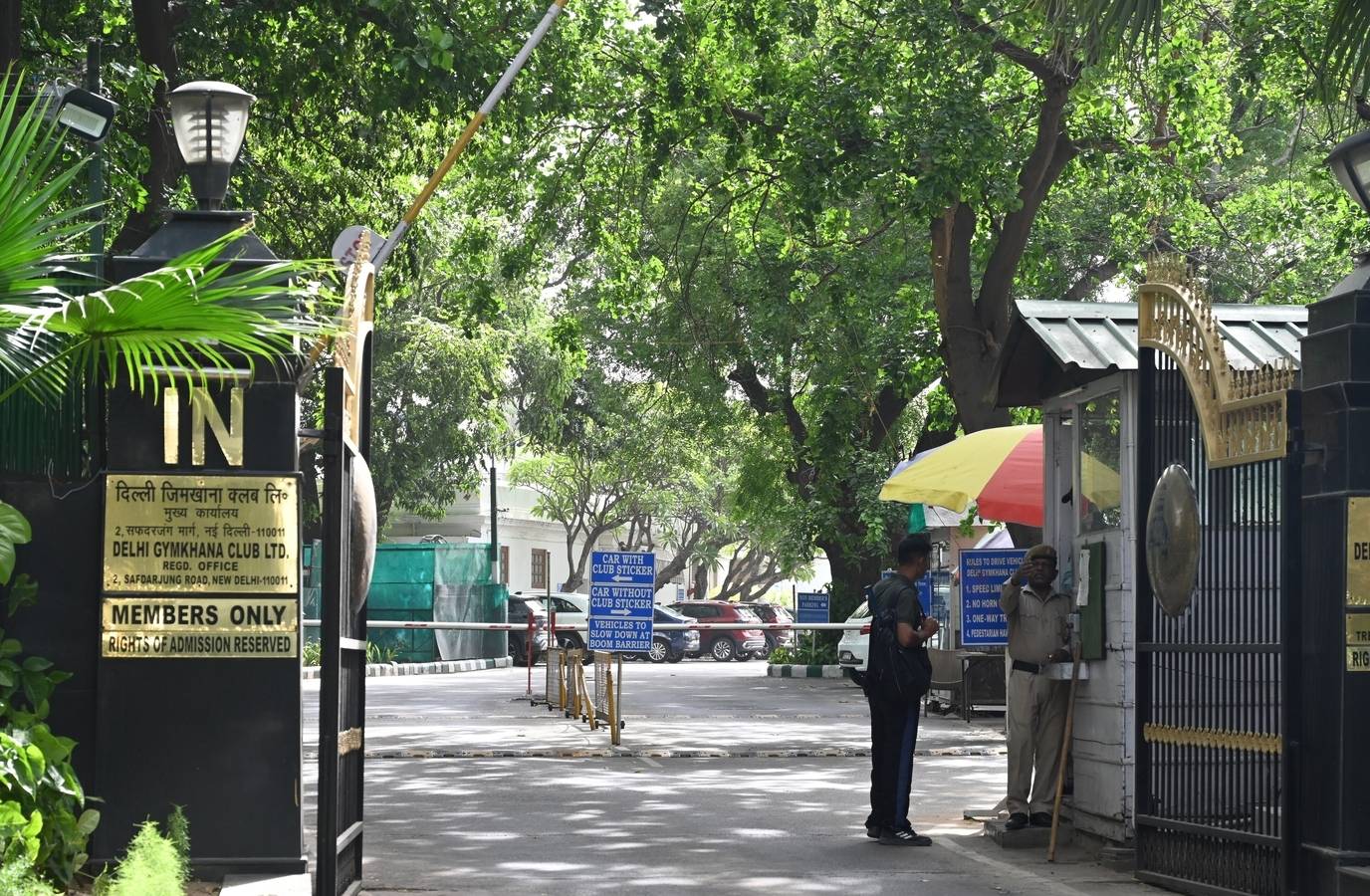
Delhi's iconic Delhi Gymkhana Club is facing a dramatic institutional disruption, entangled in legal and administrative disputes. The closure order raises concerns about India's relationship with legacy institutions, urban heritage, and quality of life, potentially impacting its global image.
While the optics may be tempting, with a powerful government cracking down on an elite enclave, beneath the populist satisfaction lies an uncomfortable irony. The land was originally allotted in 1913, but historical allotments should not become grounds for institutional dismantling without uniform application.
The Gymkhana has functioned as more than a recreational club, offering a rare urban space where professionals interacted outside officialdom. Its closure may send an unintended message of institutional insecurity, potentially deterring foreign businesses and investors.
India aspires to be a major economic and geopolitical power, but dismantling legacy institutions may undermine its soft power. Reform and destruction are not synonymous, and mature states preserve heritage while correcting wrongs.
Closing the Delhi Gymkhana may yield short-term political benefits, but erasing a landmark of Delhi's civic legacy risks diminishing the city. Nations become great by preserving and reforming institutions that give their cities history and character.