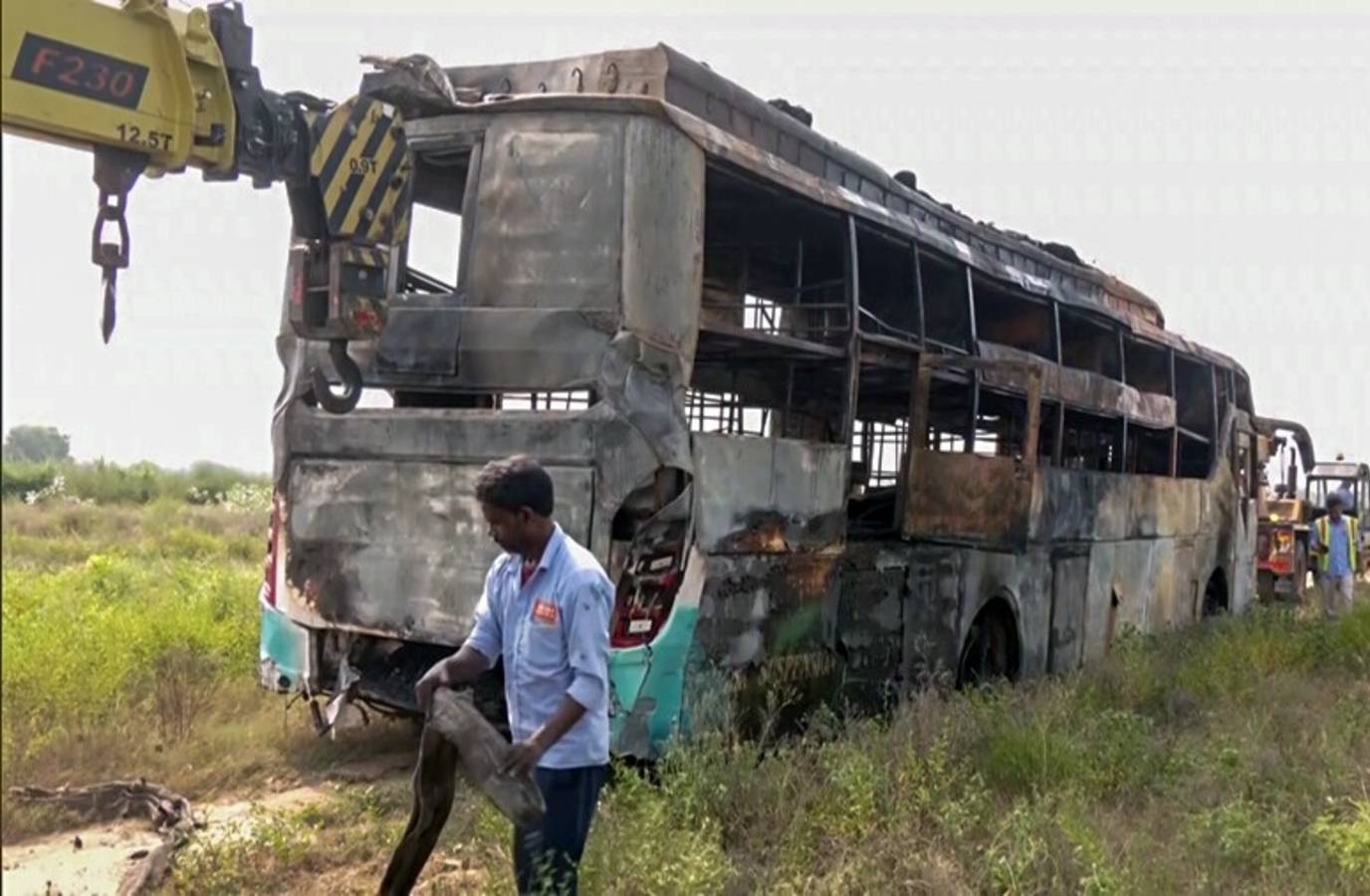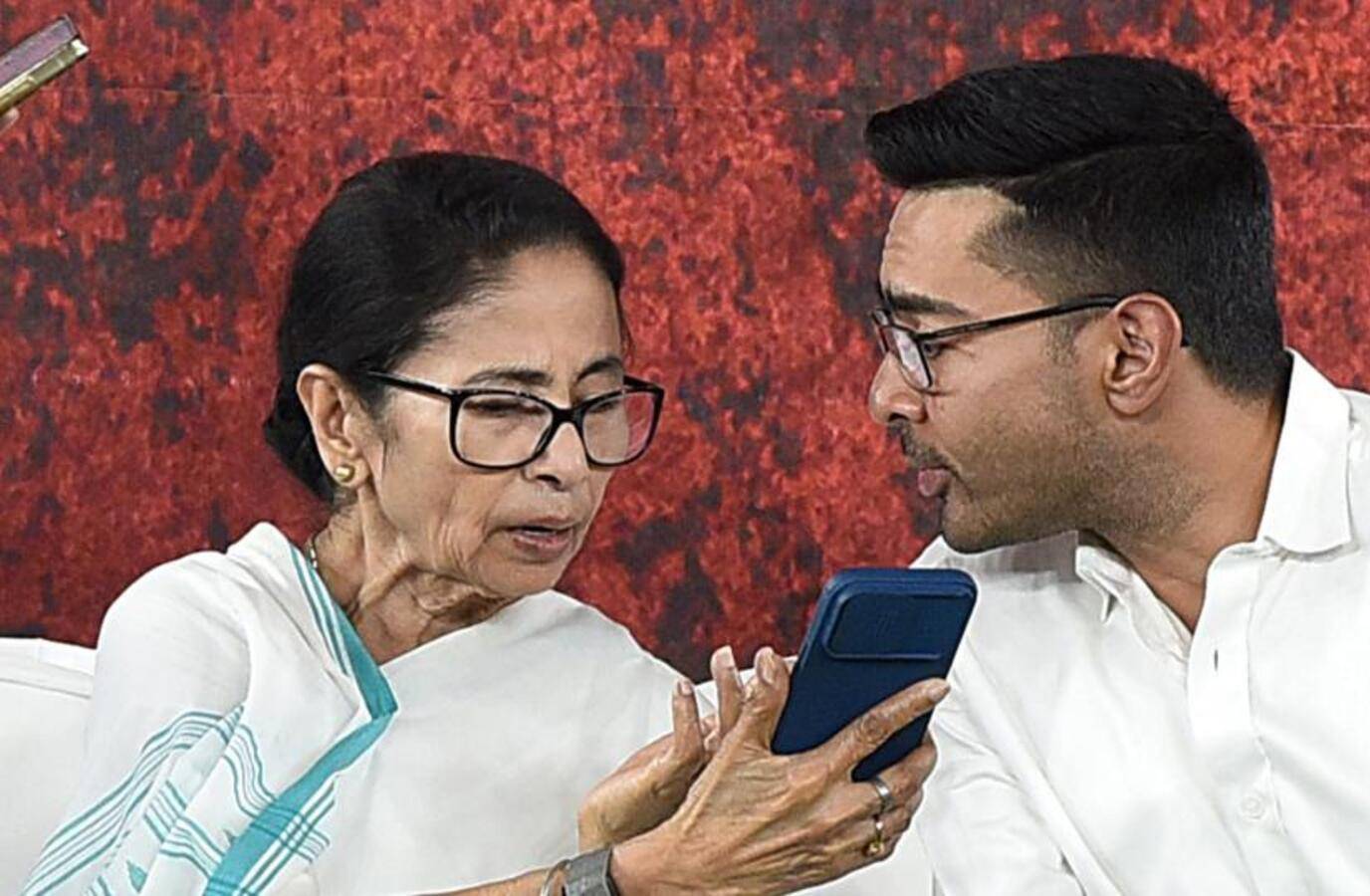
The 2026 assembly elections have delivered decisive verdicts, but beneath the clarity of these outcomes lies a deeper disruption: India's regional party system is confronting the limits of dynastic politics in a changing social and organisational landscape.
For decades, regional parties drew strength from charismatic founders, ideological platforms, and durable social coalitions. Over time, many transitioned into family-led enterprises, with the political family at the centre providing continuity and cohesion.
However, the problem is not that parties have dynasties, but that dynastic succession is colliding with a generational shift among voters and party workers alike. The results across Assam, West Bengal, Tamil Nadu, and Kerala suggest that voters are not necessarily rejecting these family-led parties, but they are pushing back against how these parties are being run.
The BJP's third consecutive victory in Assam marks the consolidation of a dominant-party system, while the Congress's continued inability to mount a credible challenge highlights the limits of dynastic succession as a substitute for political renewal.
In West Bengal, the BJP's breakthrough carries a similar subtext, with voters distinguishing between the leader and the system that runs beneath her. The TMC's organisation has come to be associated with localised control, patronage networks, and exclusionary gatekeeping.
Tamil Nadu offers the most dramatic illustration, with the rise of Tamilaga Vettri Kazhagam under Vijay disrupting the entrenched duopoly between the DMK and AIADMK.
The verdict reflects not just anti-incumbency, but fatigue with concentrated familial succession. Ideological parties rely on cadre motivation, internal debate, and a sense of collective ownership, while dynastic consolidation often replaces these with patronage chains and personal loyalty networks.
The BJP has successfully challenged entrenched dynasties, but exceptions like the return of Hemant Soren in Jharkhand remind us that dynastic parties too can pose challenges to BJP's juggernaut.
Three lessons follow: leadership transition must be negotiated, not inherited; welfare without political inclusion has diminishing returns; and anti-incumbency might be changing its target, now directed at party organisation and leadership style.