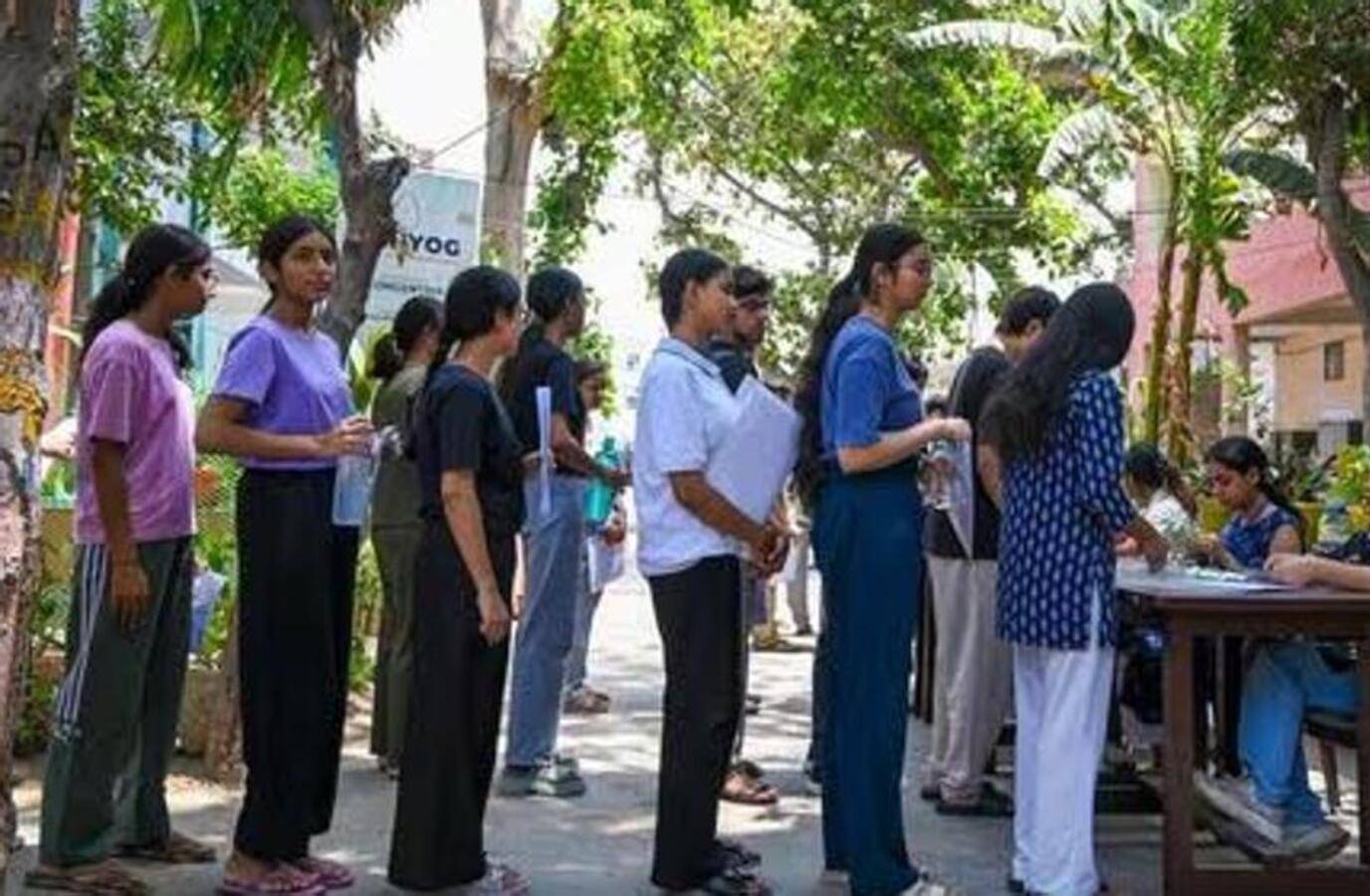
The National Testing Agency's (NTA) examination architecture is under scrutiny after the cancellation of NEET-UG 2026. Insiders and a member of the government-appointed reform panel point to a shift in vulnerability from downstream to upstream processes.
The question-setting process at NTA is considered one of its most fortified operations, with senior faculty from universities brought to NTA's building in Delhi for a week. They surrender mobile phones and digital devices, and all reference material is provided within the premises.
Each panel consists of a convenor and four subject experts who work in isolation and remain unaware of what questions are being set elsewhere. They prepare a large pool of vetted questions, which are then generated through algorithm-based randomisation to produce multiple sets.
However, a member of the K Radhakrishnan committee suggests that the paper-setting process may not be as secure as thought, pointing to the use of contractual workers in technical processes such as question processing, typing, and translation.
The panel member also highlights the institutional fault line of NTA's dependence on non-permanent staff, which the reform panel had recommended to address. NTA's DG Abhishek Singh has announced that the agency will re-examine the schedule within 10 days.