Supreme Court quashes all FIRs across the country against NEET paper leak protesters | India News
The government had assured the students would not be targeted or harassed in connection with the agitation. | India News
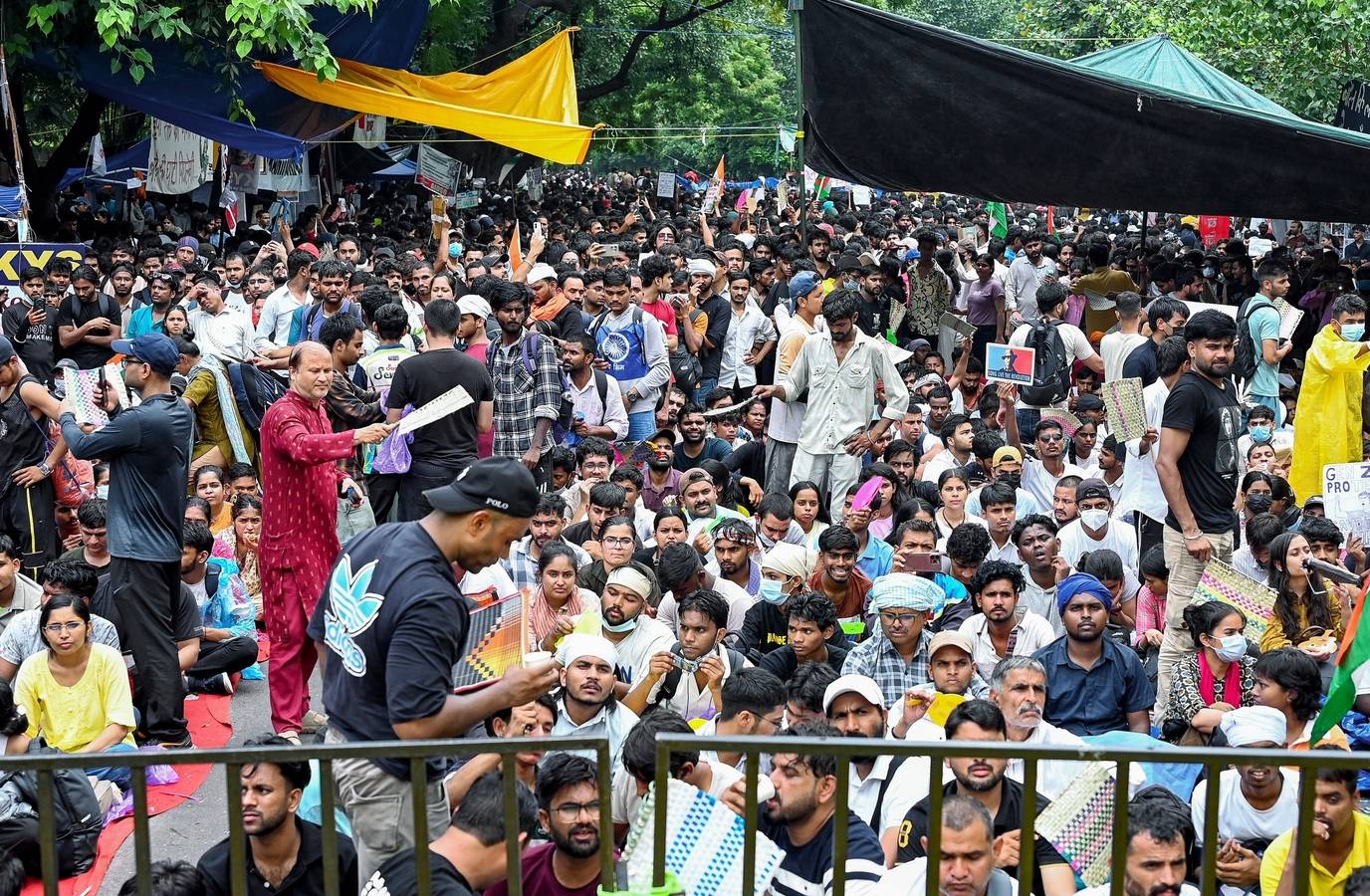
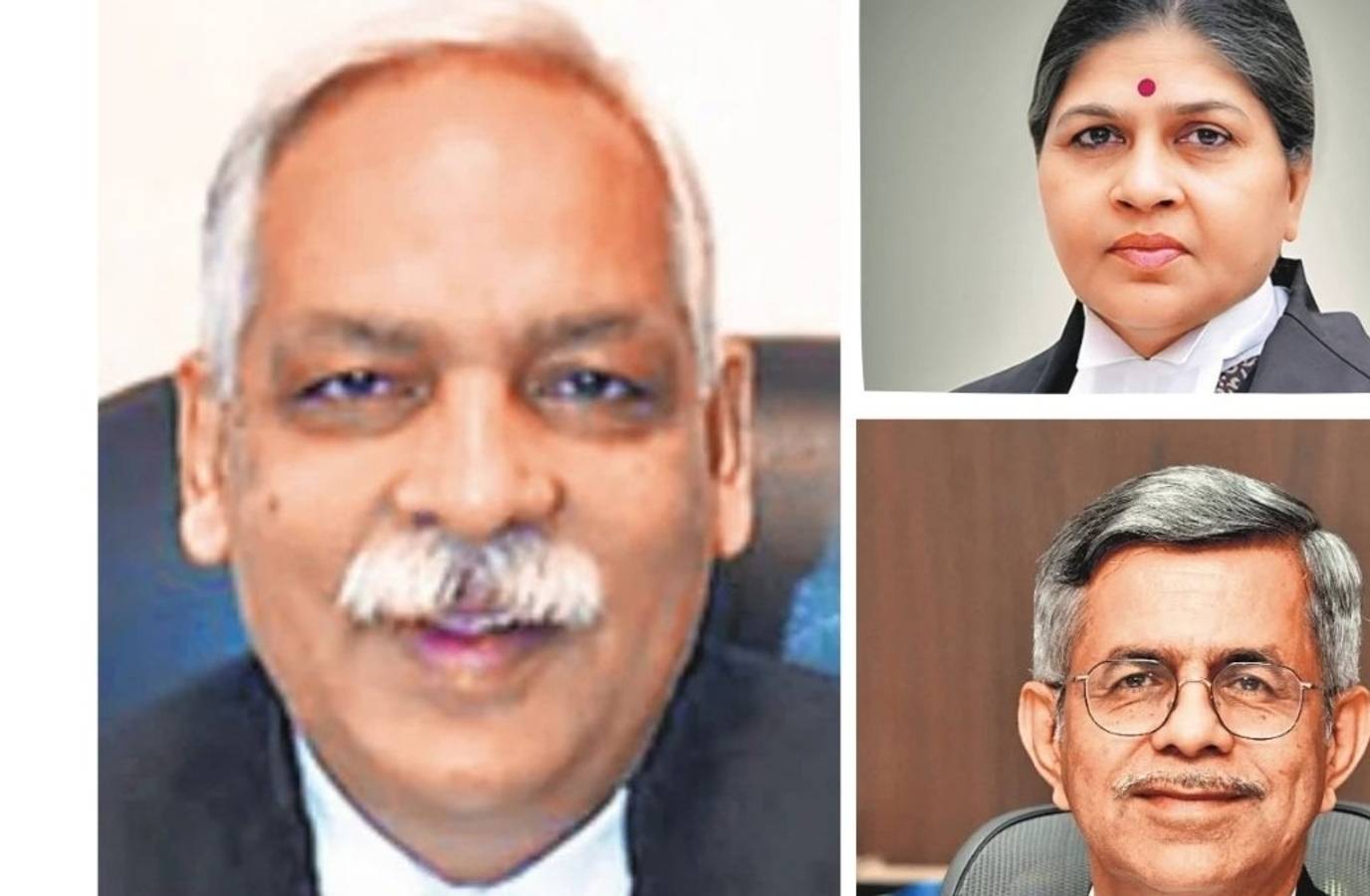
The Supreme Court on Tuesday quashed first information reports (FIR) registered across the country in connection with the Cockroach Janata Party (CJP)-led protests in July, invoking its extraordinary powers under Article 142 of the Constitution, even as the group withdrew its call for a September 5 march in Delhi following assurances from the Centre that it would honour its commitments to withdraw criminal cases and compensation to families of students who died by suicide.A bench, comprising Chief Justice of India Surya Kant and justices Joymalya Bagchi and V Mohana said the decision would ensure that the criminal cases did not cause “any harm to students or youths who participated in these protests” and that mere participation in a protest would not be treated as an offence under penal laws.Also read | SC awaits Guv's call on MP minister’s prosecution for Op Sindoor remarks against ColonelThe court ordered that all FIRs relating to the protests between July 20 and 25 in the states and Union territories, including those not formally brought before it, would not be pursued or investigated and would be treated as closed for all purposes. It also directed that similar FIRs pending in other states and Union territories be treated in the same manner. “No further FIR shall be registered in relation to the same incident,” the court directed.The order followed applications filed by the Centre through Delhi Police and by Maharashtra, Assam, Bihar and West Bengal governments seeking quashing of the criminal cases.The Centre told the court that the government was committed to honouring three assurances given after a July 25 meeting with representatives of the protesting group -- withdrawal of FIRs registered between July 20 and 25, no fresh FIRs relating to those incidents and compensation to families of NEET aspirants and students who died by suicide.Also read | CJP tells Supreme Court it's withdrawing September 5 India Gate marchSolicitor general Tushar Mehta said the government was committed to all three assurances, but sought liberty to proceed against persons with “serious and grave criminal antecedents”.The court agreed to carve out an exception for 2,837 persons whom Delhi Police said had such antecedents and were prima facie present at the protest site. The police had sought permission to register one FIR against them to ascertain their individual roles, if any, in incidents involving bodily harm or destruction of public property. The bench said the issue concerning the 2,837 persons could be considered separately, making clear that the exception did not dilute the larger relief granted to the protesters.“There was a case of sieving out a section of protesters who had assembled with certain bona fide democratic demands and certain alleged elements with serious criminal antecedents,” remarked the court, noting the Centre’s contention that there had been an “infiltration” of elements who may have had ulterior motives.The bench said the would be entitled to reserve its right to prosecute such allegedly “pernicious elements”, subject to all rights available to them under law. “At the same time, this exercise is to provide a healing balm to the main body of protesters,” it added.The court’s intervention came after the CJP announced a September 5 march from India Gate to the Delhi Police headquarters, saying the Centre has failed to honour assurances that had led to the withdrawal of its 36-day agitation on July 25. Withdrawal of criminal cases was among the group’s key demands.Also read | Why SC collegium separately transferred Justice Agrawal to Rajasthan amid rowMehta told the bench that the proposed September 5 march was announced because the protesters believed the government had not honoured its commitments. “Now that we are here and have filed our applications, I would urge the CJP representatives to withdraw the September 5 march call,” the solicitor general said.CJP co-convener Saurav Das, who was present in court, then read out a statement withdrawing the proposed march.“In view of the positive assurances of the Government of India and the judicial sanctity bestowed upon them today, and in view of the order being passed by this Court, the CJP deems it appropriate to withdraw the call for the march on September 5,” Das said. The CJP also thanked the court and lawyers on both sides for their efforts and said it looked forward to compliance with the order.The court described the developments as a “positive” step by both sides and said it was proceeding on “broad parameters” on which there was agreement. “We are doing this to ensure there is no case of vexation for any person who has because of his conscience, participated in a protest which is alleged in the FIR to be a crime,” it said.The court also noted that it had consistently sought to protect protesters who had participated in the agitation to raise what it described as genuine grievances. “We have always said that let us protect these protesters. We have always said that they were not there for violence or anything but to raise voices about some genuine grievances they had,” the bench said.The Centre, on its part, reiterated its commitment to provide compensation to families of students who died by suicide in connection with the 2026 NEET examination issue. Mehta told the court tha t the government would need three months to formulate the modalities, given that the issue involved several competitive examinations.The court then directed the Centre to formulate and notify, in consultation with the states, a pan-India policy framework for payment of compensation in such cases. It directed that the families of victims who died by suicide over the 2026 NEET paper issue would be paid compensation after the policy was notified.The process of identifying eligible families is already under way, advocate Vrinda Grover, appearing for a petitioner, told the court.The court’s order also provided relief beyond the four states and Delhi that had formally approached it.It said that if any other FIR relating to the same incidents between July 20 and 25 had been registered in any state or Union territory and had not been brought to its notice, it too would not be pursued or investigated and would be treated as closed. It further directed that similar FIRs pending in other states and Union territories would not be pursued and would be treated as closed.The Centre told the court that its applications were intended to address the criminal cases arising from the July agitation across the country. The court’s order now gives the relief a pan-India application.The July 20 “Chalo Sansad” march had witnessed clashes between protesters and security personnel after Delhi Police and the Rapid Action Force used lathi charge, tear gas and pellet guns to prevent the protesters from proceeding towards Parliament. Protesters alleged excessive use of force, while the authorities alleged violence against police personnel and damage to public property.The Supreme Court had earlier constituted a five-member high-powered enquiry committee headed by former Supreme Court judge Justice R Subhash Reddy to examine the competing allegations arising from the July 20 events.The HPEC is examining allegations of excessive and unlawful use of force by police as well as allegations of violence by protesters, injuries to security personnel and damage to public property.Its mandate also covers the use of pellet guns, electric batons, lathis and tear gas, the proportionality of police action, blanket prohibitory orders and allegations concerning targeted violence and harassment of women protesters. The committee is functioning under the direct supervision of the Supreme Court.The CJP agitation begun in June over alleged irregularities and repeated paper leaks in national examinations. The movement gathered momentum after climate rights activist Sonam Wangchuk joined the protest and began a hunger strike in solidarity. The agitation was called off on July 25 following talks with the Centre, with withdrawal of criminal cases and other assurances forming part of the understanding between the two sides.The Supreme Court’s August 3 clarification subsequently said that its earlier order did not prevent state governments from taking steps, in accordance with law, to close or withdraw proceedings arising from FIRs against student protesters. The court had also clarified that “criminal antecedents”, used in its earlier order, referred to “grave and heinous offences”. The Supreme Court's intervention came after the issue of FIRs became one of the key outstanding demands of the protesters.