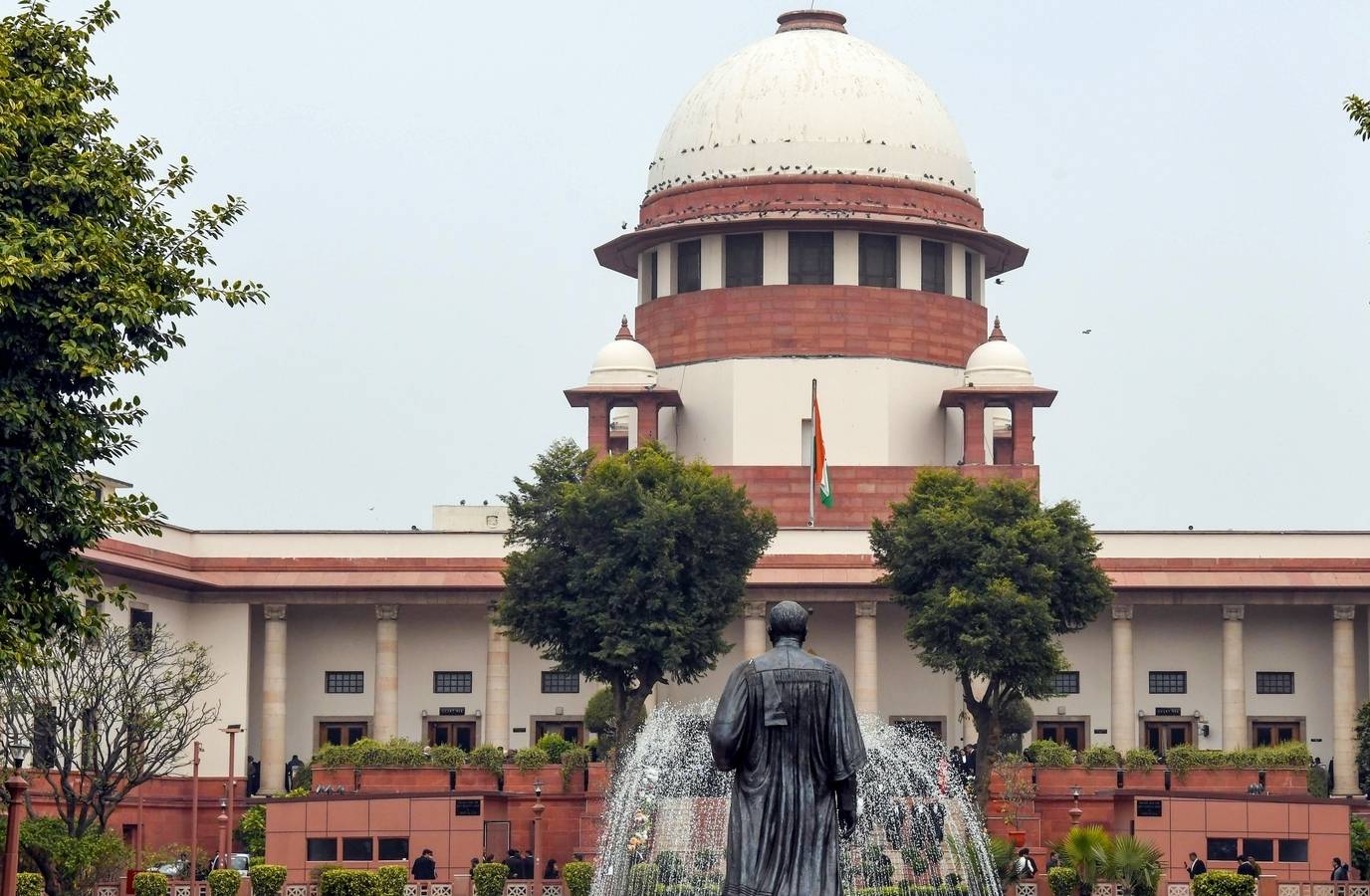
The Supreme Court has clarified that while courts cannot interfere with core religious practices, the State can intervene when religious rights affect secular activities.
A nine-judge bench led by Chief Justice Surya Kant emphasized the distinction between autonomy in matters of faith and public life, citing the example of a temple disrupting civic order.
Justice BV Nagarathna pointed out that the protection of religious autonomy is not absolute when religious exercise spills into areas affecting public life.
The court warned against projecting one religion as superior to others, stressing the need to maintain constitutional neutrality.
The proceedings revolve around the extent to which courts can test religious practices against constitutional guarantees such as equality and non-discrimination.
A batch of lawyers argued that Article 26 rights, particularly the right to manage religious affairs, are indispensable to the meaningful exercise of Article 25 freedoms.