The Supreme Court is set to deliver its verdict on the validity of the special intensive revision (SIR) conducted by the Election Commission of India, a move that could have far-reaching implications for the country's electoral roll architecture.
A bench comprising Chief Justice of India Surya Kant and Justice Joymalya Bagchi reserved judgment after hearing arguments over several dates, with the petitioners challenging the legality and operational framework of the SIR exercise.
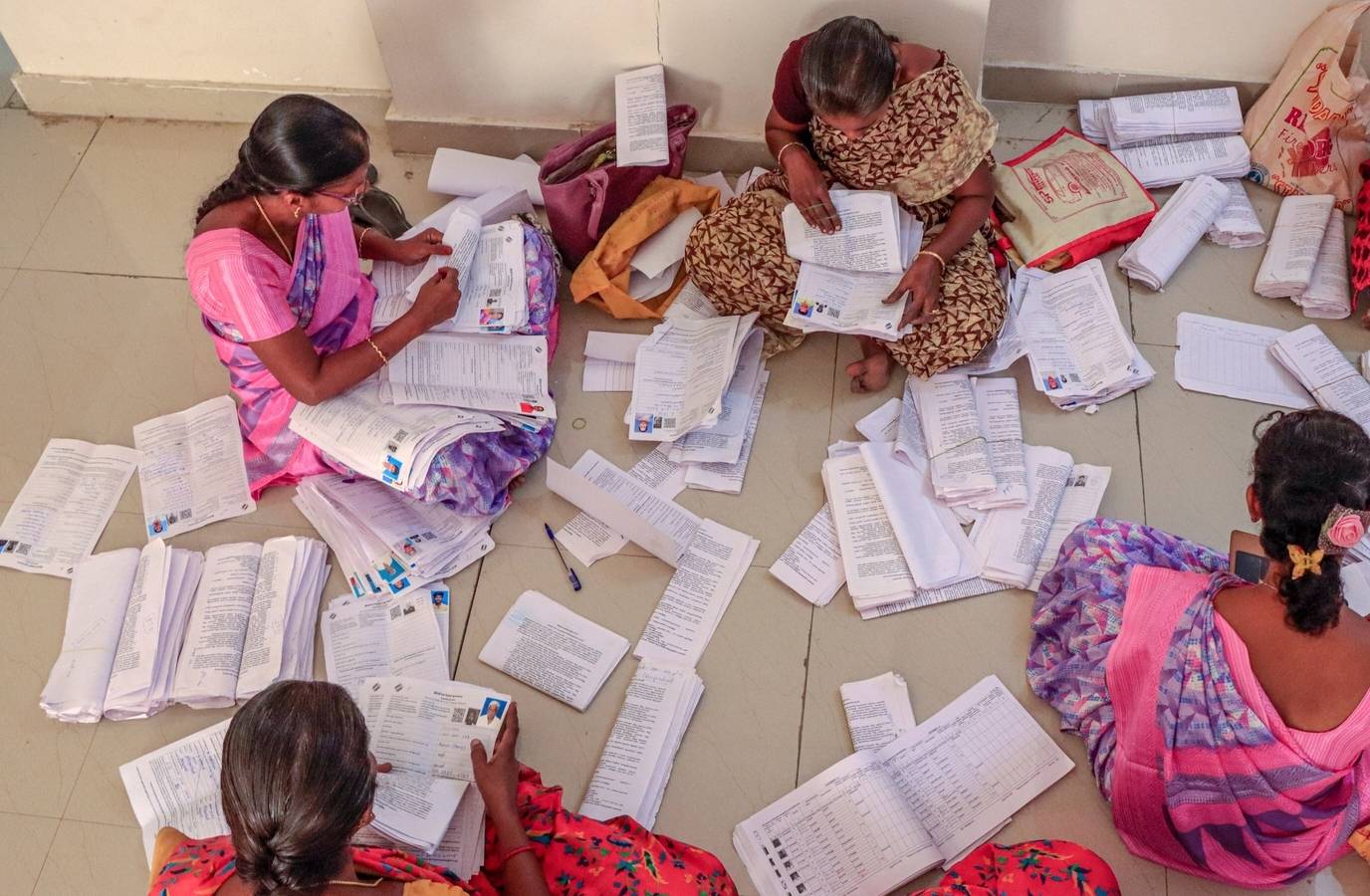
The SIR process, initiated in Bihar, required voters not traceable to the 2002 or 2003 electoral rolls to furnish documentary proof linking them to persons present in those legacy rolls.
The petitioners argued that the process effectively reversed the settled legal presumption recognised in Lal Babu Hussein Vs Electoral Registration Officer (1995), under which a person whose name already exists on the electoral roll is presumed to be an Indian citizen unless proven otherwise by the state.
The Election Commission, however, defended the exercise as a constitutionally mandated verification process necessary to ensure purity of electoral rolls and prevent non-citizens from participating in elections.
The verdict expected on Wednesday is likely to determine not only the legality of the SIR exercise but also larger constitutional questions concerning the nature of the right to vote, the extent of the Election Commission's powers under Article 324 and Article 326, and the procedural safeguards required before deleting citizens from electoral rolls.