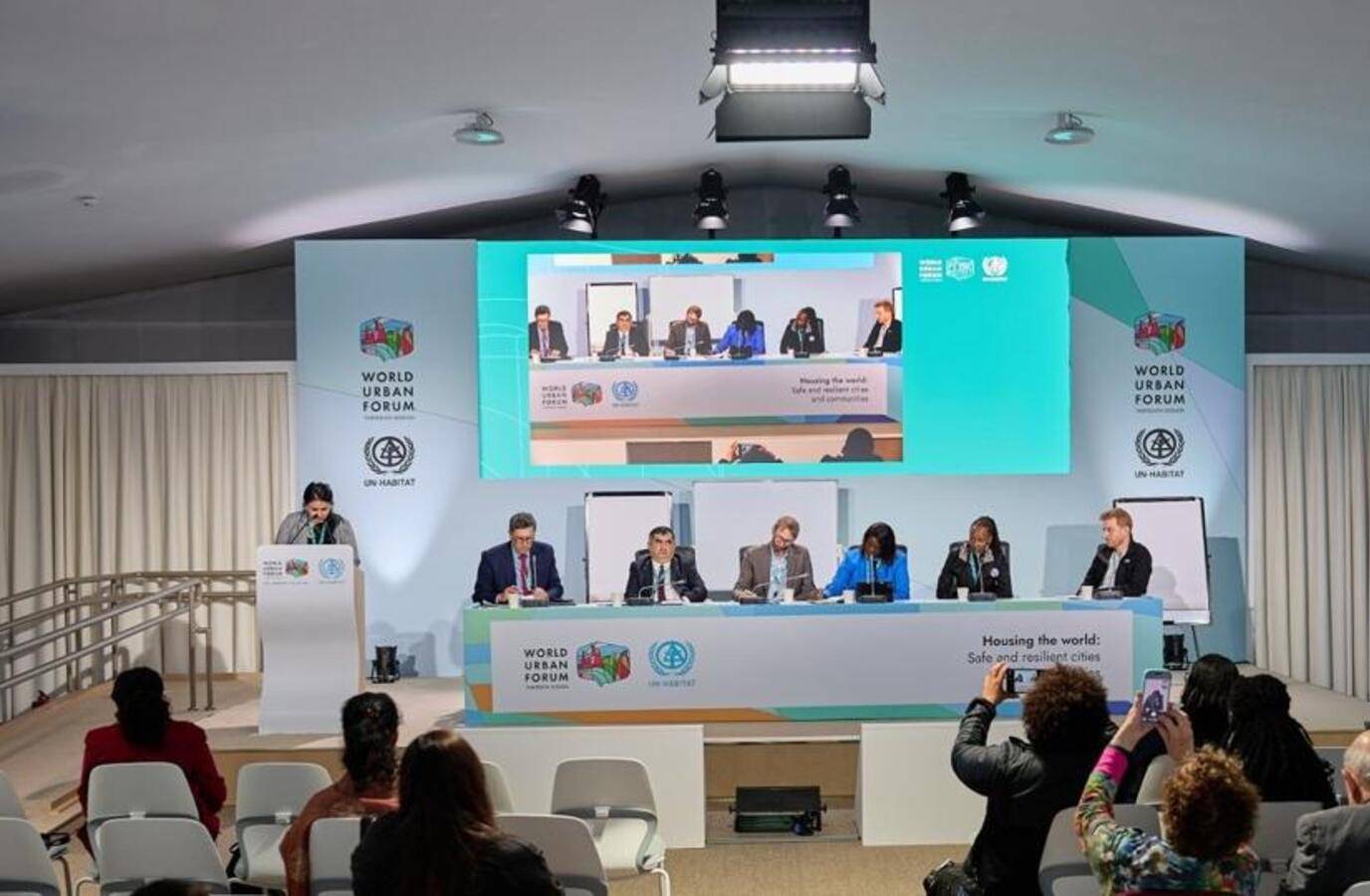
Around 40% of the world's population, approximately 3.4 billion people, are impacted by a housing crisis that includes affordability, shortage and poor quality of homes, as well as poor access to clean water and sanitation, a United Nations report released Tuesday.
The report, World Cities Report 2026, highlights the intense pressure on housing, which is already strained by urbanisation, rising land prices, widening inequality and climate change.
Housing prices have risen faster than incomes globally, with the price-to-income ratios increasing from 9.3 in 2010 to 11.2 in 2023, reaching 16.8 in central and south Asia, including India.
The report noted that the affordable housing segment in the eight largest Indian cities declined from 52% of new builds in 2018 to just 17% in 2025, due to developers prioritising mid and high-end units where profit margins are higher.
Mumbai and Delhi have price-to-income ratios of 14.3 and 10.1, making home ownership unaffordable for households earning the median income.
The report also highlighted homelessness rates, with 21 per 10,000 people in China, 13 per 10,000 in India, 20 per 10,000 in the United States, and 11 per 10,000 in Brazil.
The report stressed the need for the state to deliver affordable housing for all, and highlighted the potential of the housing sector to generate economic growth and jobs.
In India, an additional ₹100,000 in demand for residential construction generates an estimated 2.61 new informal and 0.04 formal jobs, rising to 4.06 jobs when induced effects are included.
The report also highlighted the need for a new social contract for adequate and affordable housing, with a sense of shared responsibility among governments, the private sector and communities to mobilise investment and align the social and economic functions of housing.