
Bangladesh Ex-PM Sheikh Hasina Sentenced to Death: India's Role and Global Reactions
The verdict brings joy and relief to the families of those who were killed due to police brutality, but uncertainty for Sheikh Hasina. | World News
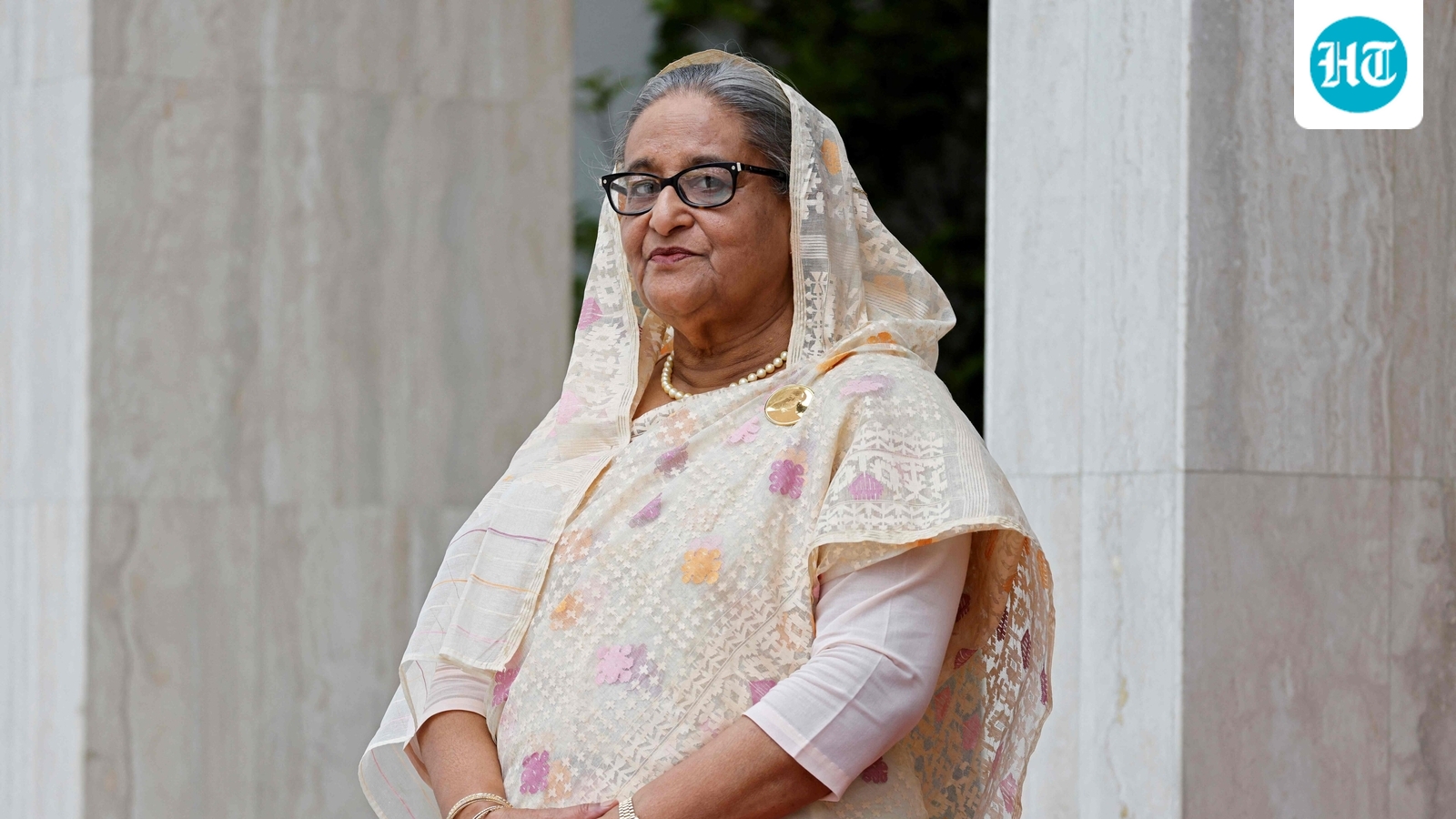
In a landmark verdict, a Bangladesh tribunal court has sentenced former Prime Minister Sheikh Hasina to death for crimes against humanity during the 2024 student uprising. The ruling has sparked a range of reactions from India, the United Nations, and other global bodies.
According to the verdict, Hasina was found guilty of inciting violence, ordering killings, and failing to prevent atrocities. The court initially considered a life sentence, but added more charges, ultimately deciding on a death penalty. Hasina and her two aides were charged with five crimes, including mass killings, the use of helicopters to fire on civilians, and the incineration of bodies.
Hasina has denied the charges, calling the verdict "rigged" and "politically motivated." The interim government, led by Muhammad Yunus, has welcomed the verdict, stating that it affirms the principle that no one is above the law.
Bangladesh has urged India to extradite Hasina and former interior minister Asaduzzaman Khan Kamal, who were tried in absentia. India has responded, saying it remains committed to the best interests of the Bangladeshi people. The United Nations has expressed regret over the death sentence, stating that it opposes the death penalty in all circumstances.
The next steps for Hasina depend on India's response to the extradition request. If India refuses, Bangladesh can confiscate her properties, declare her a fugitive, and escalate extradition requests. Hasina can appeal the verdict, but only if she is arrested or voluntarily returns to Bangladesh within 30 days.


