
Bangladesh on Brink: Rise in Religious Extremism Sparks Fears of Backlash
Popular 'baul' singer Abul Sarkar was recently arrested from a music show on charges of "deliberately" provoking riots or violence, hurting religious sentiment. | World News
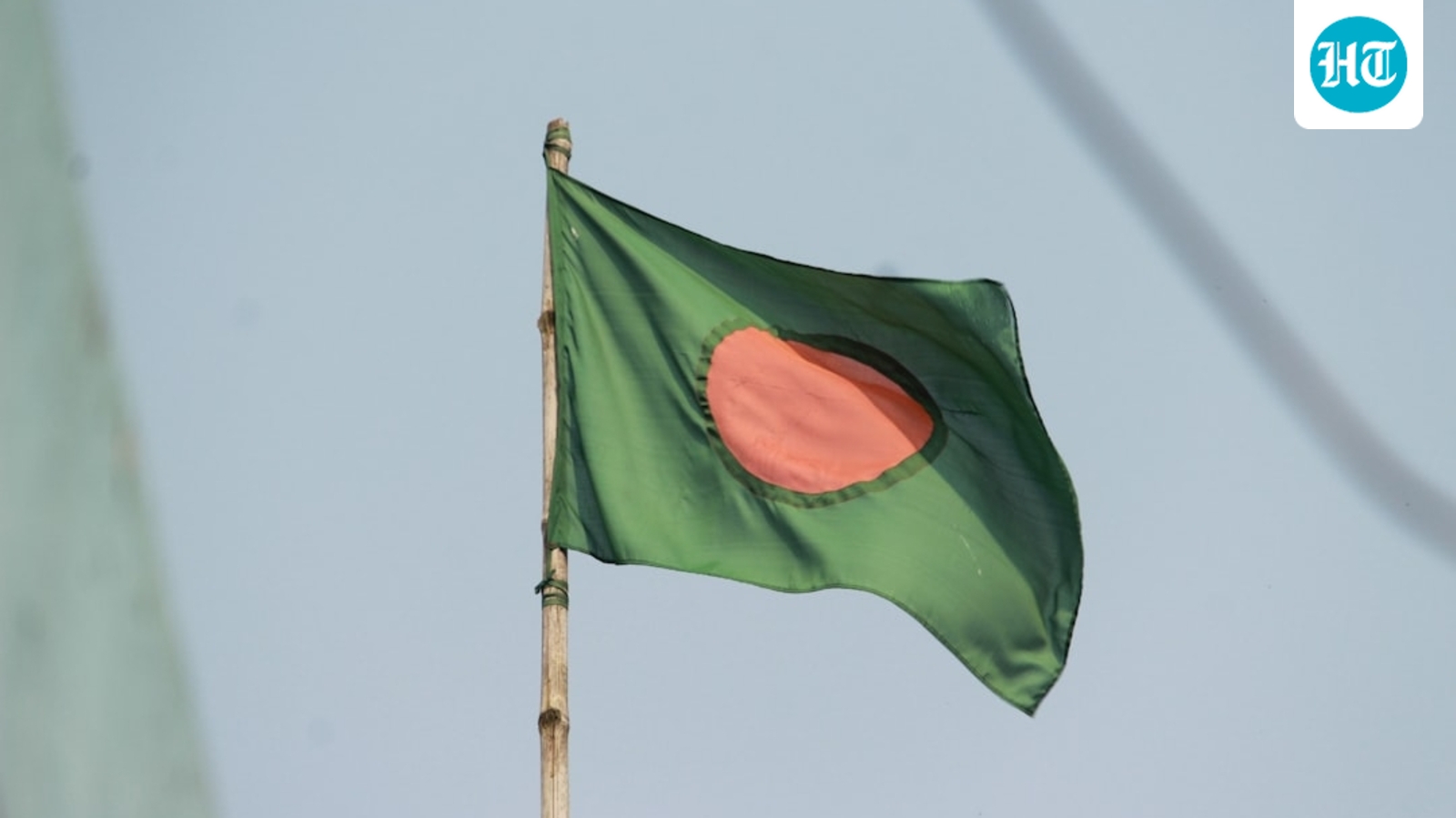
A wave of Islamist attacks on mystic singers in Bangladesh has sparked widespread condemnation from civil society members, who claim that the country is witnessing a surge in religious extremism since the ouster of Prime Minister Sheikh Hasina's government in July 2024.
According to a statement signed by 250 eminent citizens, including academics opposed to the past regime, the rise in extremism has led to a 'suffocating situation' where a particular group is enforcing its ideology across the country, using public sentiment as a pretext for violence.
The backlash began after the arrest of popular 'baul' singer Abul Sarkar, who was detained for allegedly provoking riots and hurting religious sentiment. His arrest was followed by an attack on fellow singers by Islamists affiliated with the Tawhidi Janata group during a rally for his release.
Civil society members have condemned Sarkar's arrest, accusing the authorities of encouraging mob violence by maintaining silence and downplaying incidents. Rights group Ain o Salish Kendra (ASK) has expressed 'deep concerns' over the attack on Sarkar's followers, while Transparency International has termed the developments as worrying.
Poet and activist Farhad Mazhar has warned that a new form of 'religious fascism' is emerging in Bangladesh, as he joined a protest rally in the capital. 'Arresting him (Sarkar) means arresting me. I will not accept this,' Mazhar said, reflecting the fears of many who see the rise in extremism as a threat to the country's religious harmony.
The statement signed by 250 citizens highlights the alarming trend of demolishing shrines, declaring individuals as 'murtad-kafir-shatim', exhuming and burning bodies, and disrupting cultural programs. The signatories have called for effective measures to stop 'mob terror or vigilantism' and protect the rights of citizens.
As Bangladesh grapples with the rise in extremism, concerns are growing about the government's ability to maintain law and order and protect the country's diverse cultural heritage.


