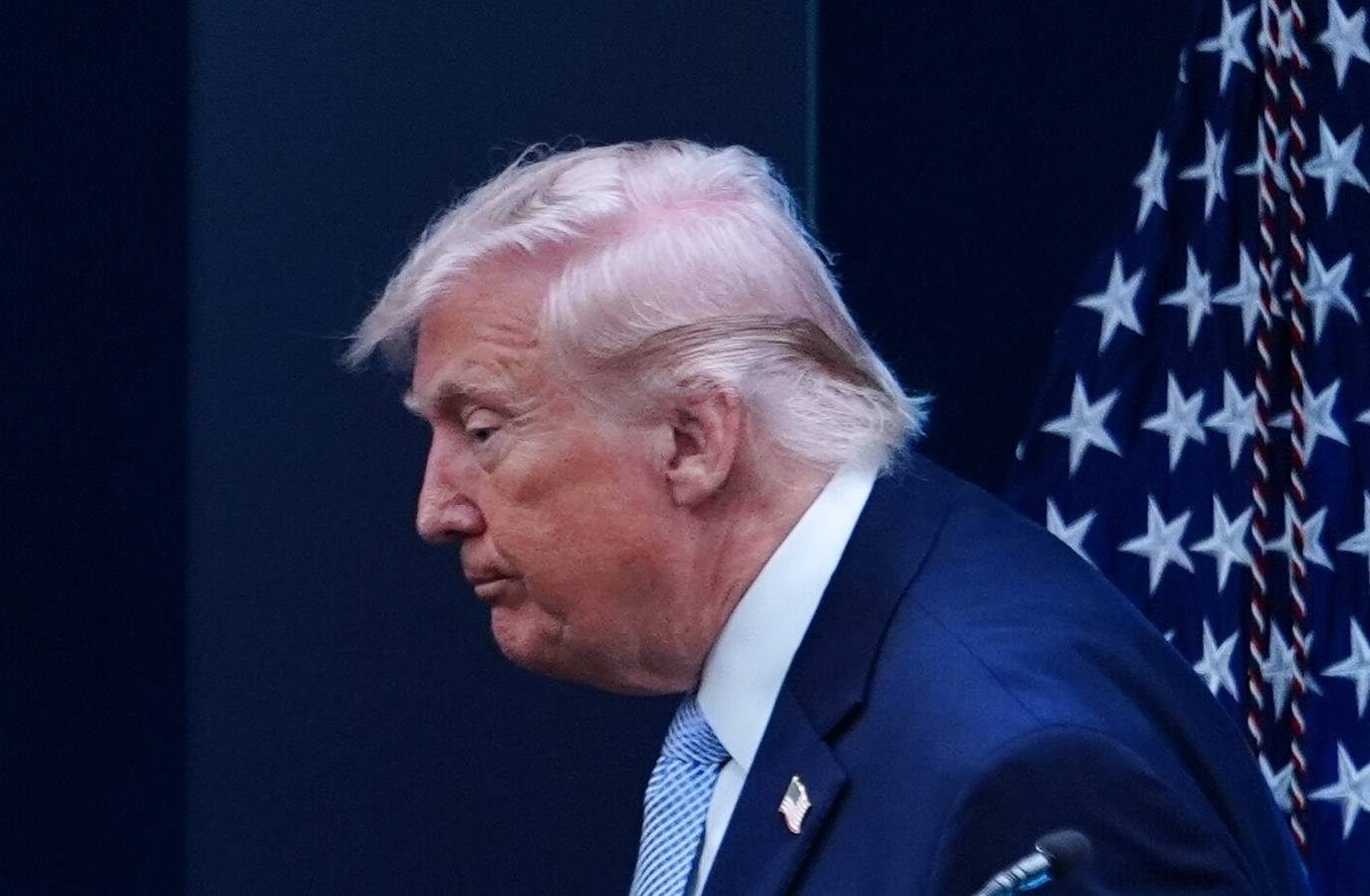
Iran has rejected a 45-day ceasefire proposal and called for a permanent end to the war, while US President Donald Trump escalated his threats against the country, warning that the entire nation could be 'taken out in one night.'
The US stepped up its threats against Iran, warning that it would face a barrage of attacks on civilian targets if it did not comply with its demands. The US has also called for the reopening of the Strait of Hormuz, a critical waterway through which a fifth of the world's oil is shipped.
Israel has also piled on pressure, attacking a major gas field that is Iran's biggest source of domestic energy. The attack has killed two paramilitary Revolutionary Guard commanders, including its intelligence chief.
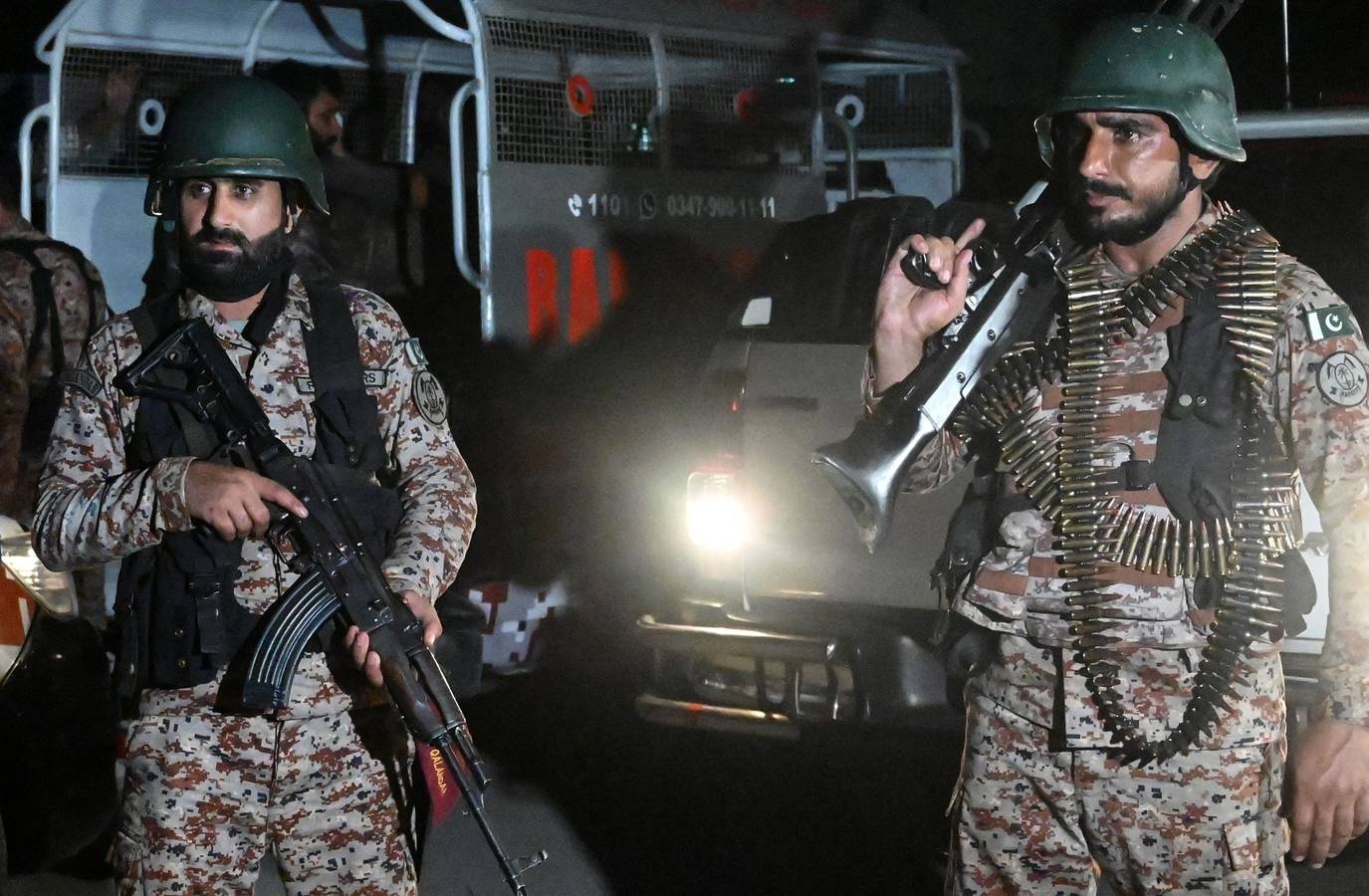
Tehran has conveyed its 10-point response to the ceasefire proposal through Pakistan, a key mediator, which includes proposals on reconstruction and the lifting of sanctions. However, the US has rejected these proposals, saying that they are 'incompatible with ultimatums, crimes and threats of war crimes.'
The conflict has resulted in the deaths of over 1,900 people in Iran, and more than 1,400 people in Lebanon. The war has also displaced over 1 million people, and has had a significant impact on the global economy.