
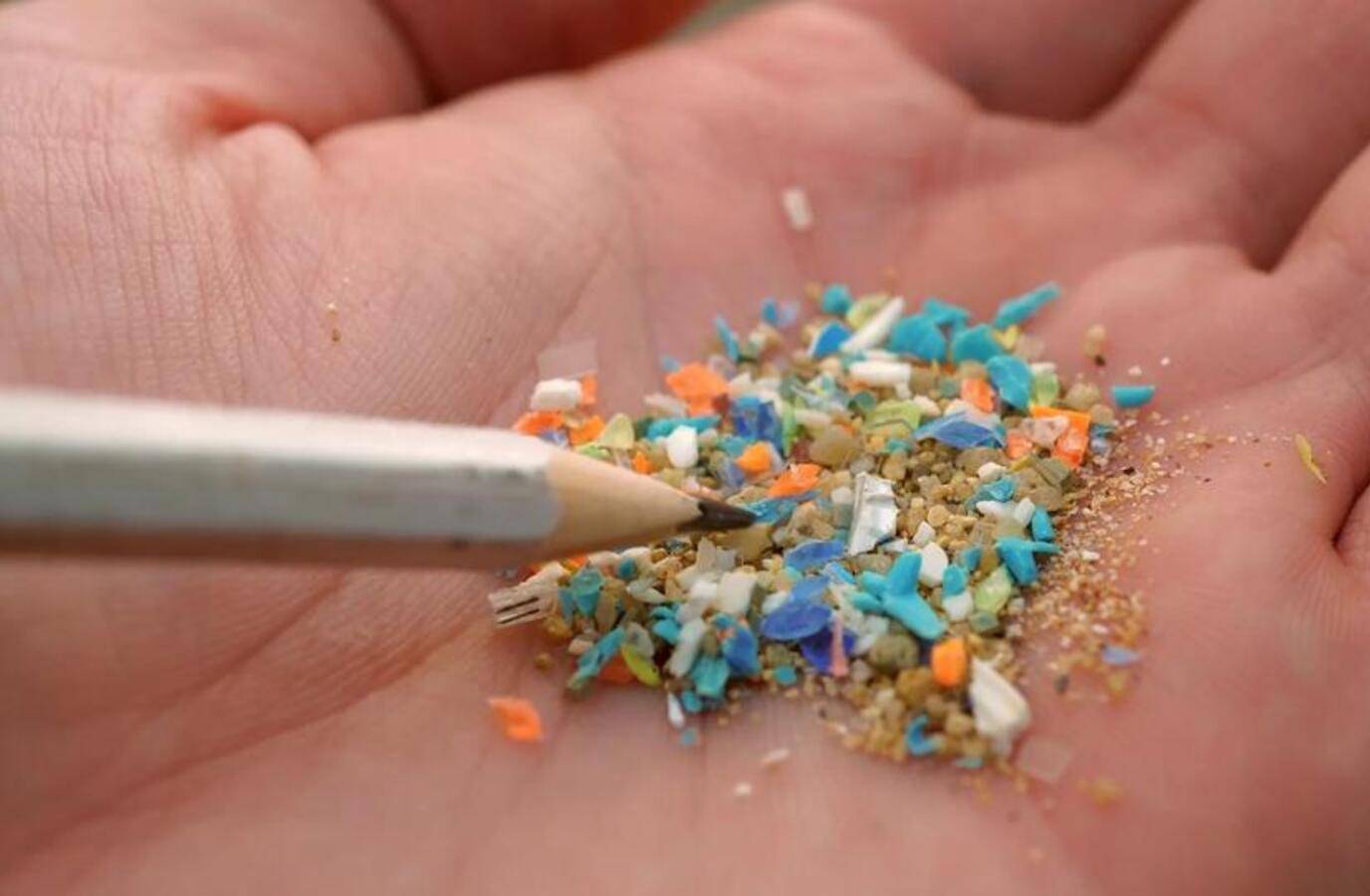
In a shocking discovery, a study published in Nature Medicine found microplastics and nanoplastics in human brain tissue, with higher concentrations in the brain than in liver or kidney.
The researchers also found these particles in carotid artery plaques, which increased the risk of heart attack, stroke, or death in patients.
Plastic reaches us through two routes: we eat it and we breathe it, with particles in food, water, air, synthetic clothes, furniture, household dust, construction materials, smoke, and tires.
While we can't escape plastics entirely, a recent study found that reducing plastic exposure can lower levels of plastic-associated chemicals in the body.
The study, which involved 211 healthy adults, found that participants who reduced their plastic exposure had lower levels of phthalates and bisphenols, which can leach from food packaging and personal-care products.
While the study didn't show that a week of low-plastic living improves health, it suggests that everyday plastic exposure is measurable, modifiable, and deeply entangled with the production, storage, and consumption of food.
Experts recommend taking sensible steps to reduce plastic exposure, such as not heating food in plastic, avoiding scratched and old plastic containers, and using glass or steel for hot food and drinks.