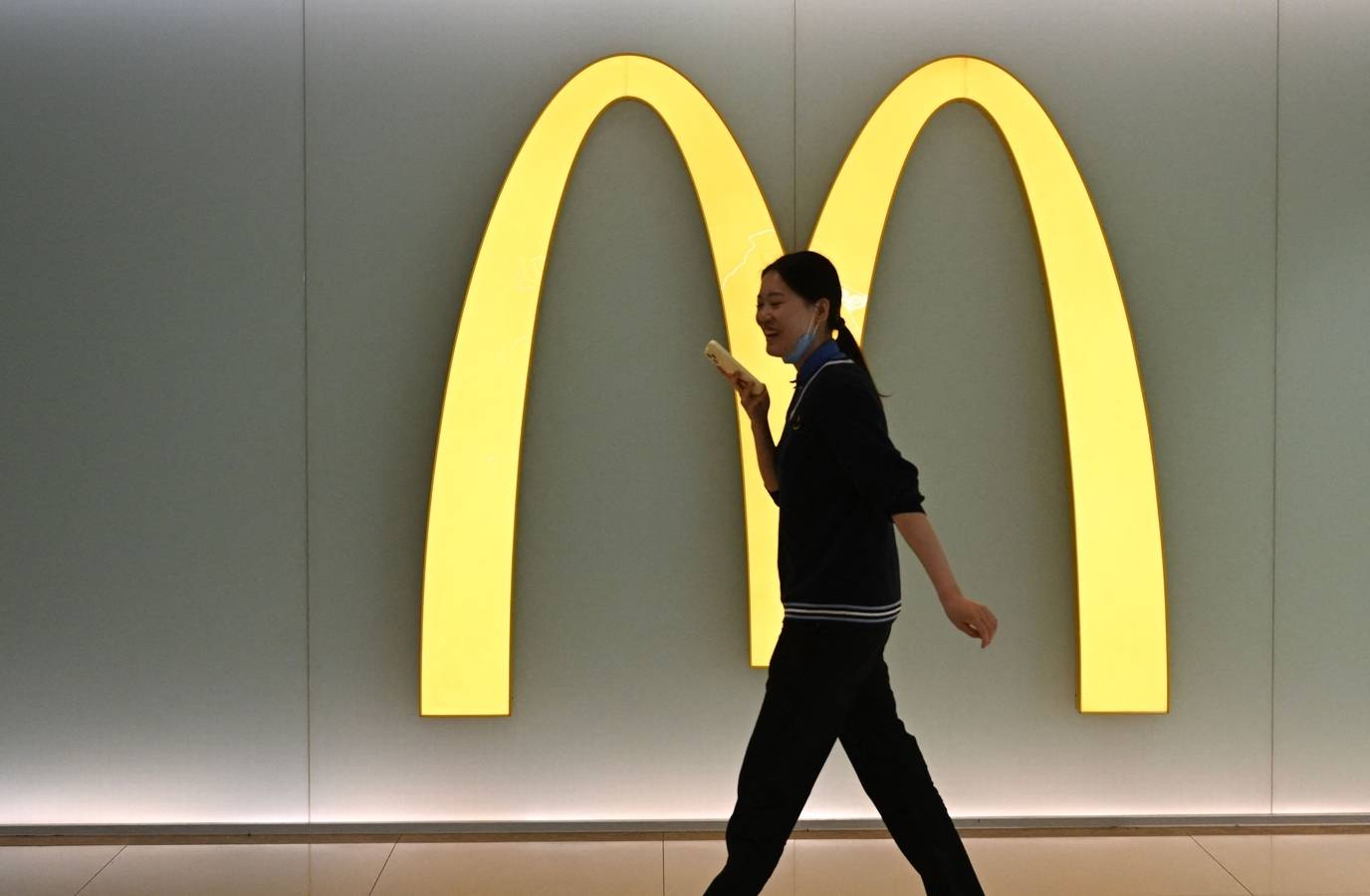
OFFICIALLY IT IS a city, but Hanchuan, in central China, is largely rural. Many of its 1m people live between fields and small factories. A company making sewing thread and a handful of fisheries make up a good chunk of its economy. But there was a buzz in the tiny city centre in January, when Hanchuan's first McDonald's opened its doors.
Towns like Hanchuan never loomed large in the plans of multinational companies. But suddenly hundreds of places like it are the new frontier for Western fast-food giants. In the next three years McDonald's is due to add 3,000 outlets to the 7,000 it had in China in 2025, many of them in smaller cities and towns.
KFC intends to add over 4,000 to its tally of 12,600 over the same period. Burger King, Domino's Pizza, Pizza Hut, Starbucks and Subway all have similarly ambitious plans.
One factor behind the push into the countryside is the need for new customers. Roughly two-thirds of China's people live outside its 50 biggest cities, which are already saturated with burger and chicken joints.
Another ingredient in the ruralisation of fast food is the restaurants' ownership. Though McDonald's and KFC are archetypes of American consumerism, their Chinese operations are separate.
Chinese investors, by contrast, have been willing to put up the capital needed to open thousands of restaurants under such conditions and bet boldly on semi-rural areas as the next market for shakes and fries.
It is a gamble. Chinese fast-food brands, such as Tastien and Wallace, offer similar cuisine, but are cheaper and have a significant presence in smaller cities and towns.