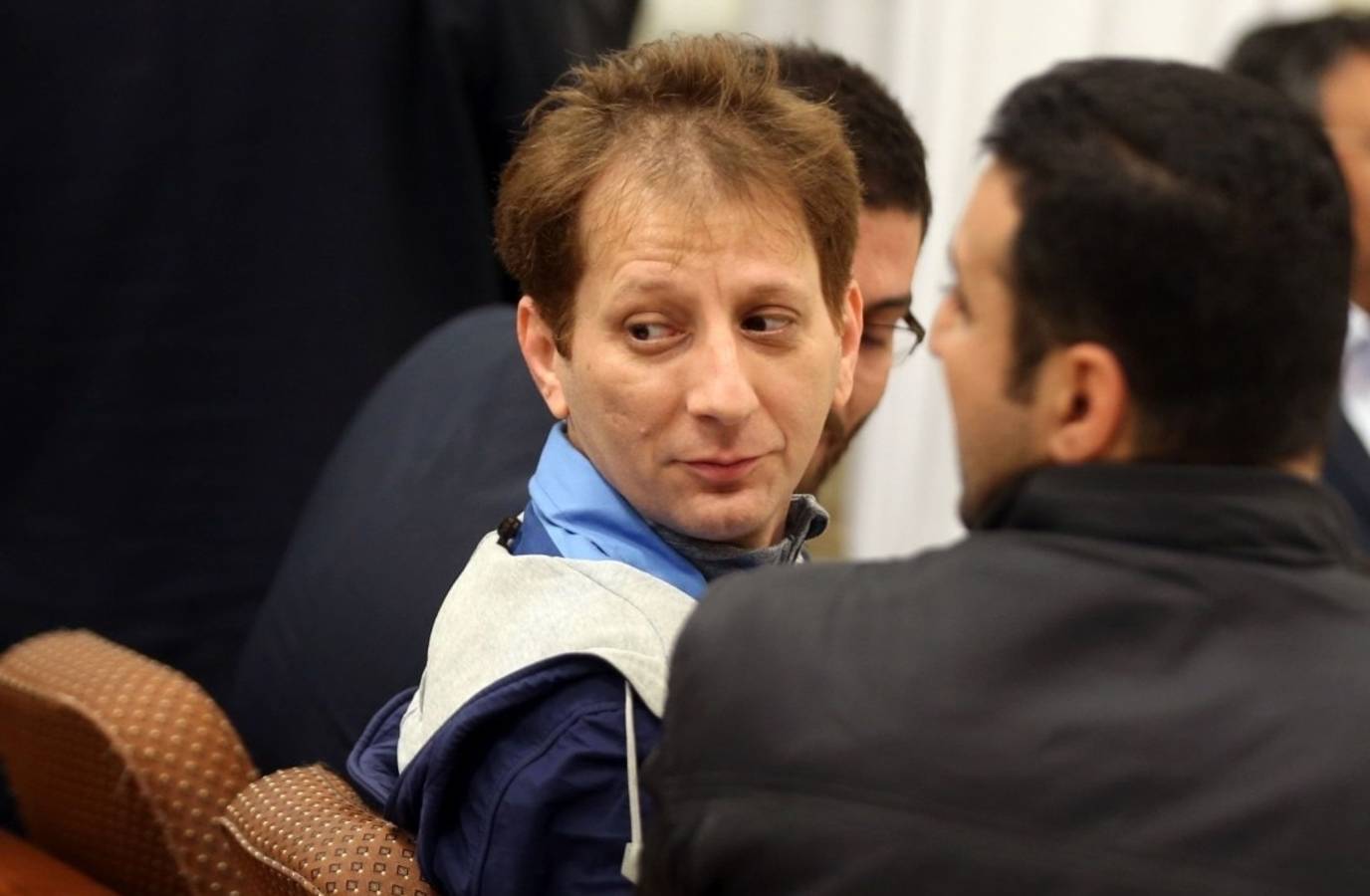
Babak Zanjani, Iran's infamous sanctions buster, has emerged from the shadows with a new crypto empire, accused by US authorities of helping the regime skirt sanctions and fund regional militias.
After years on death row, Zanjani was released last year and has since spoken openly about his role in helping Iran evade Western restrictions.
His two crypto exchanges, Zedcex and Zedxion, have processed over $94 billion in transactions since 2022, including for wallets linked to the Revolutionary Guard, according to the US Treasury.
Zanjani has denied the allegations, but the Treasury has designated the exchanges as 'terror assets' and accused him of laundering money and providing funding for Revolutionary Guard projects.
Zanjani's story is a rags-to-riches tale of a man who amassed extraordinary wealth as a shrewd operator for a pressured Iranian regime, only to fall from grace and resurface last year as if his demise had never happened.
Born into a working-class family in southern Tehran, Zanjani made his first paycheck selling jewelry in the bazaar and later became a driver for the central bank governor, dealing in currency and making up to $17,000 a day.
He established an import-export business, selling sheepskins to Turkey, and used his international connections to secure oil sales of up to $90 million for the Revolutionary Guard's engineering arm, Khatam al-Anbiya.
Zanjani's talents won the attention of the head of that organization, Rostam Ghasemi, who later became oil minister under President Mahmoud Ahmadinejad.
He ran the biggest publicly known money-laundering scheme in modern Iranian history, pulling billions of dollars into Iran's struggling banking system, and controlled a web of 60 companies, including banks, airlines, and cosmetics.
Zanjani has spoken openly about his role in helping Iran skirt sanctions, casting himself as an 'economic soldier' for the regime.
His crypto exchanges have helped Iran sustain support for militias abroad, handling the transfer of over $10 million to a Yemeni businessman sanctioned by the US for operating a smuggling network to finance the Houthi rebels.
Iran's use of cryptocurrencies illustrates the 'whack-a-mole nature of sanctions,' said Afshon Ostovar, an expert on Iran's Revolutionary Guard at the Naval Postgraduate School in Monterey, Calif.