
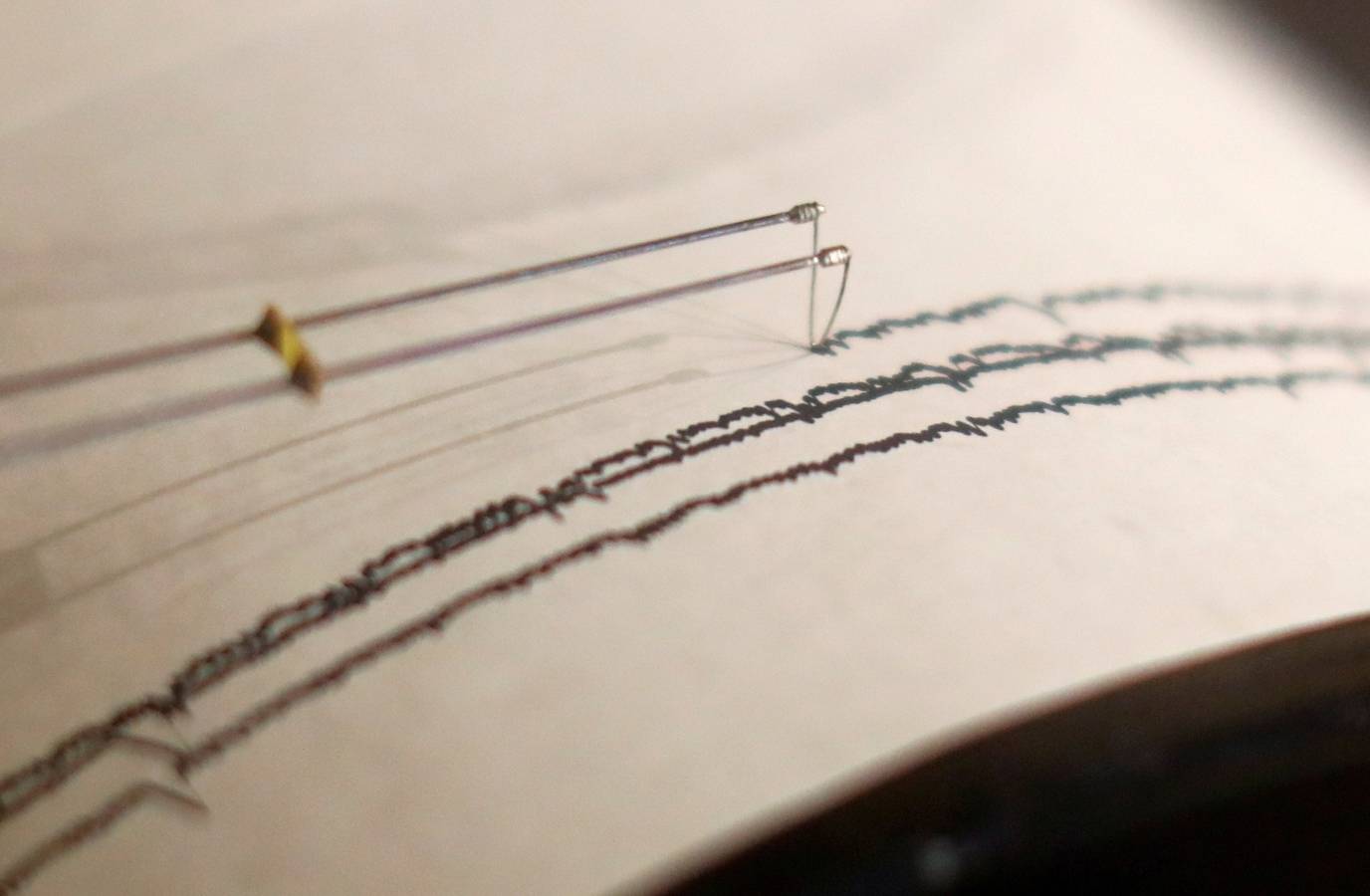
An earthquake of magnitude 4.6 struck Afghanistan on late Saturday night, according to the National Center for Seismology (NCS). The quake occurred at a depth of 82km.
Earlier in the day, another earthquake of magnitude 4.5 struck the region at a depth of 130km.
Earthquakes can occur anywhere between the Earth's surface and about 700 kilometres below the surface, divided into three zones: shallow, intermediate, and deep.
Shallow earthquakes are generally more dangerous than deep earthquakes, as seismic waves from shallow earthquakes have a shorter distance to travel to the surface, resulting in stronger ground shaking and potentially more damage to structures and greater casualties.
Afghanistan frequently experiences earthquakes, particularly in the Hindu Kush region, which lies in a highly active seismic zone, according to the Red Cross.
The country's vulnerability to earthquakes is linked to its location along the collision zone between the Indian and Eurasian tectonic plates, with a major fault line passing through parts of the country.
Afghanistan remains extremely vulnerable to natural disasters, including earthquakes, landslides and seasonal flooding, with repeated tremors worsening the situation for communities already struggling with decades of conflict and limited development.