The US-Iran conflict has revealed Iran's strategic doctrine of resilience, which has proven coherent in practice. Despite facing a vastly superior military and economic power, Iran was able to absorb shock and maintain agency under intense pressure.
The conflict has also shown that Iran is not a geopolitical actor that can be coerced through force. Its geography and institutional depth have created a system capable of adaptation.
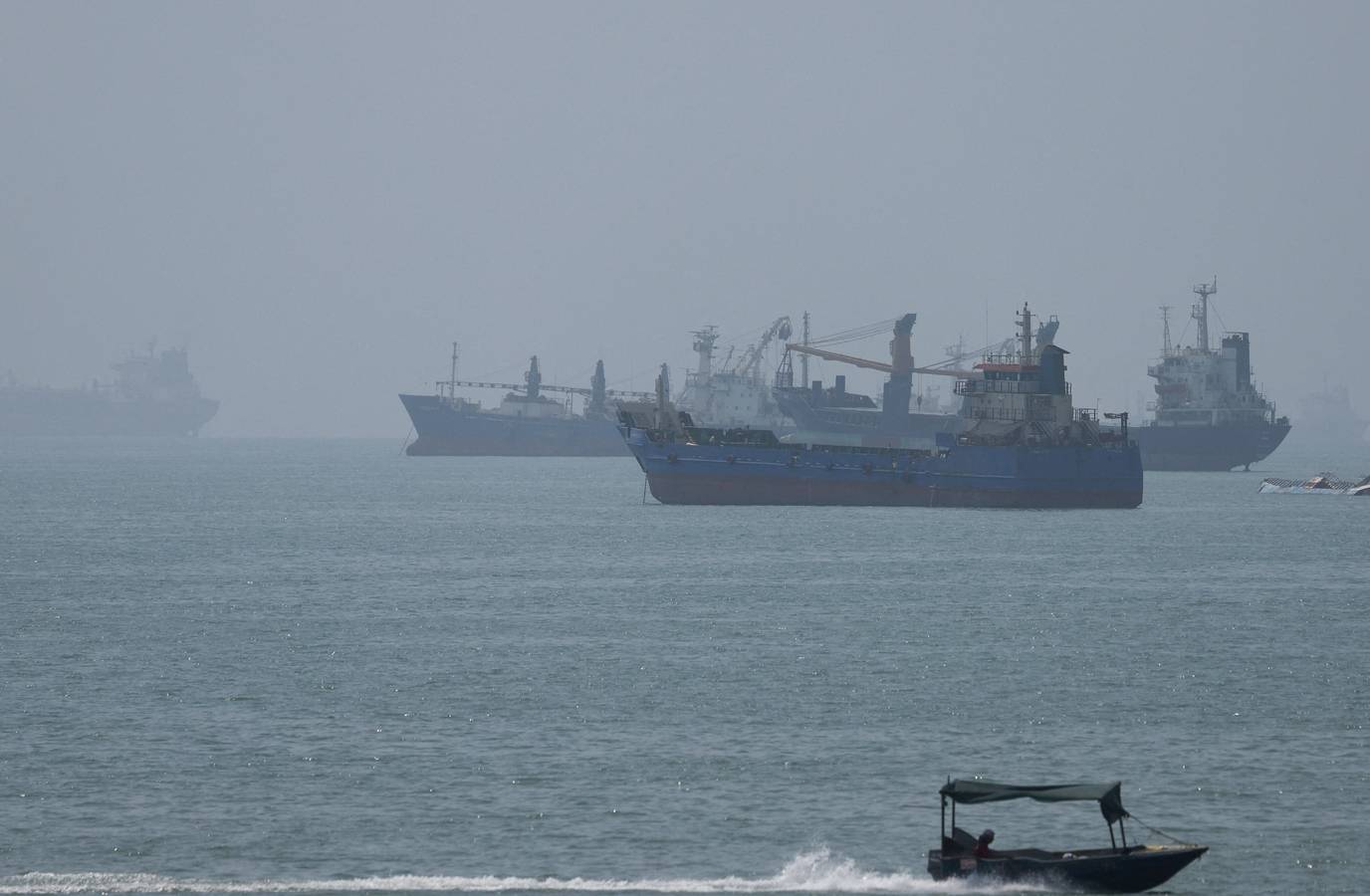
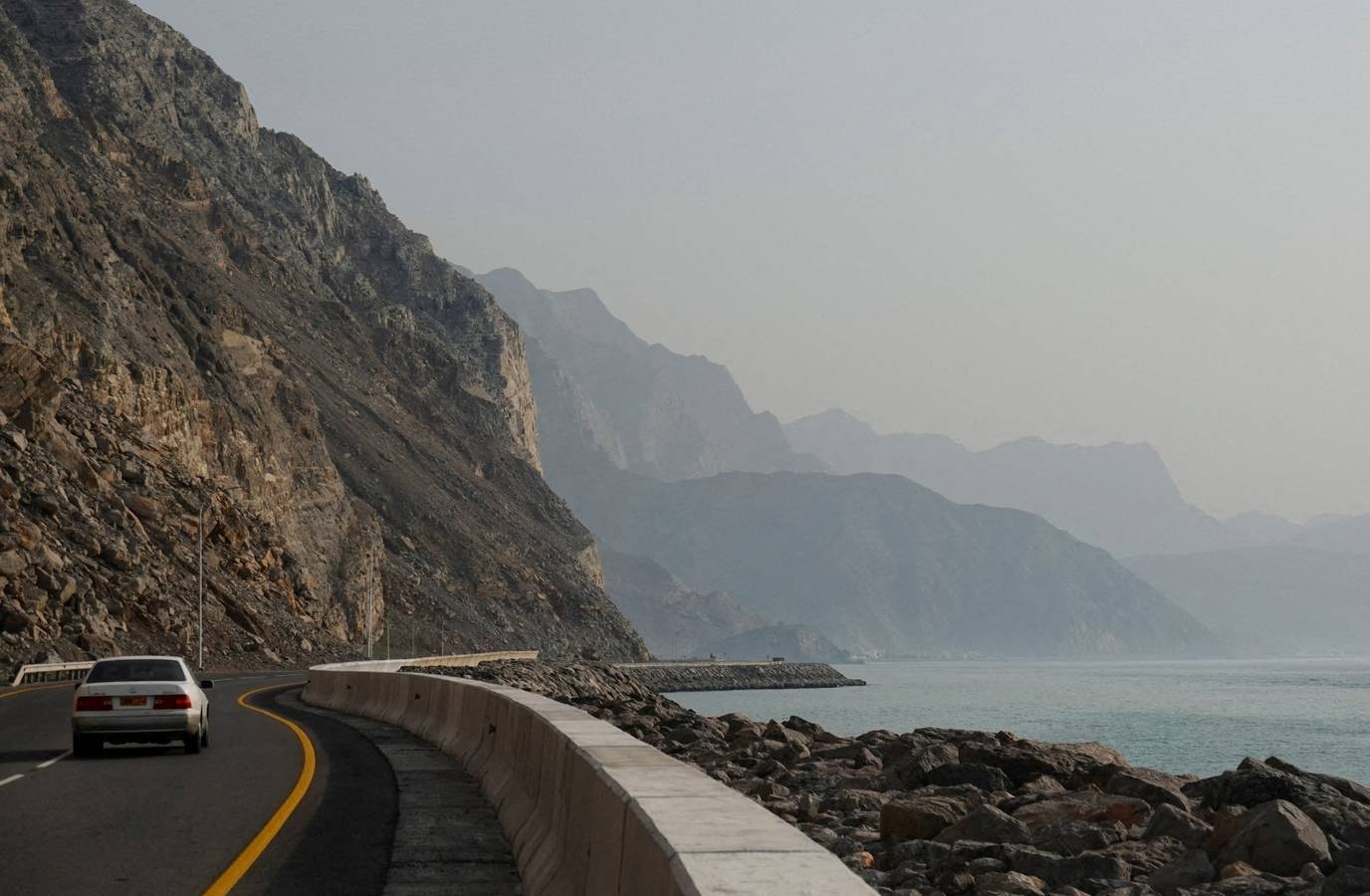
However, Iran's insistence on controlling the Strait of Hormuz is a strategic misstep. The waterway is a critical artery of global energy supply, and any attempt to monetize transit through tolls or restrictions would accelerate efforts by others to bypass the strait, eroding its long-term strategic value.
A posture that guarantees open and secure passage would position Iran as a steward of stability, building trust with neighbouring states and global markets. This would signal that Iran's strength will be exercised through reliability, not coercion.
Iran has shown that it cannot be subdued through force, and the next chapter is whether it can become a destination for capital, a hub for regional trade, and a platform for industrial growth. These are not separate objectives, but the modern foundations of power.