Iran has, for decades, issued threats of closing the Strait of Hormuz over conflicts with countries in the Middle East and sanctions like those imposed by the US. The long history of tensions dates back to Iran's 1980-88 war with Iraq.
Today, a US naval blockade amid the already-imposed closure by Tehran in the Strait of Hormuz raises global concerns. On one hand, the Trump administration claims its blockade is effective, while on the other, Iran says its control remains intact.
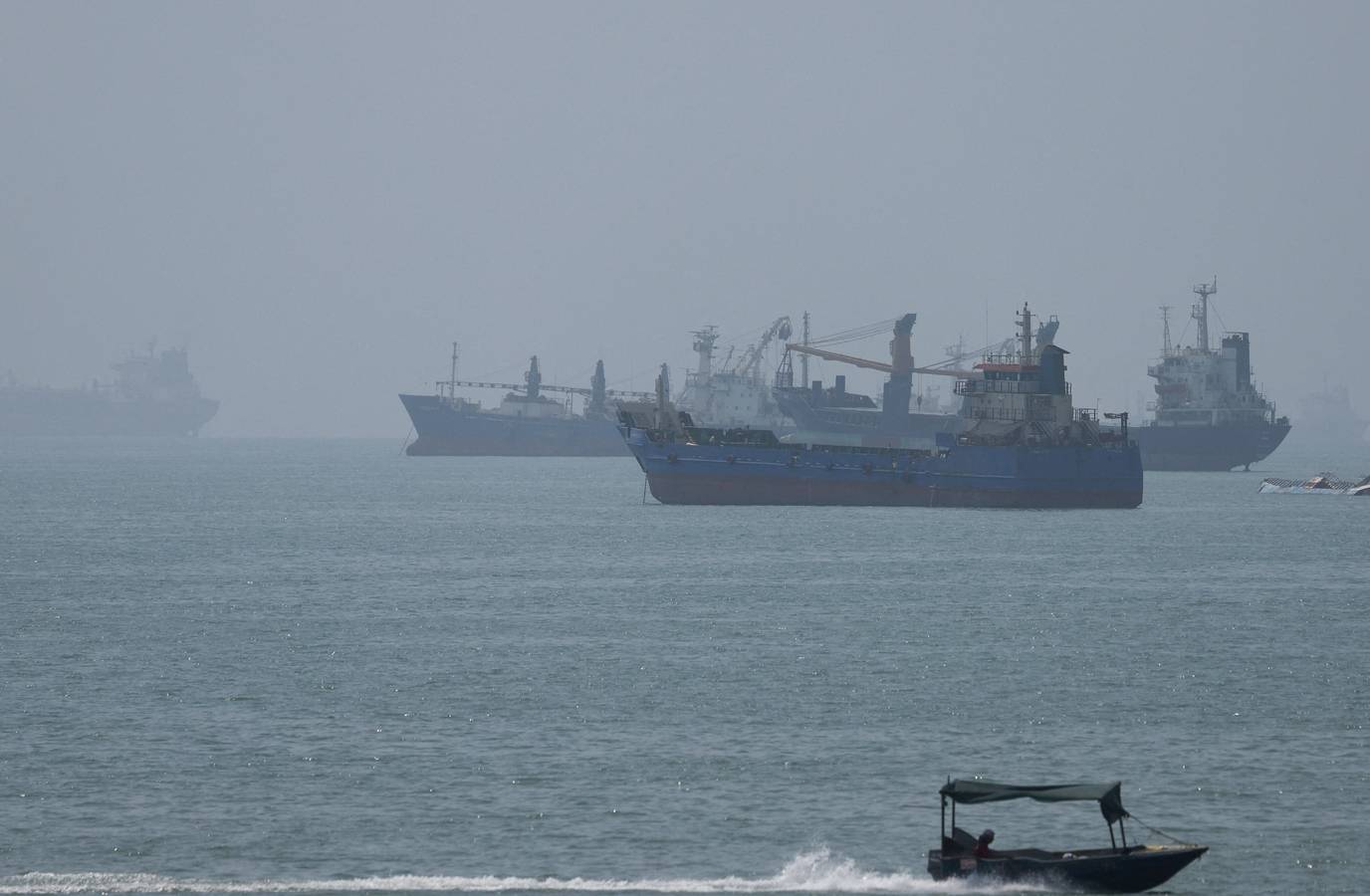
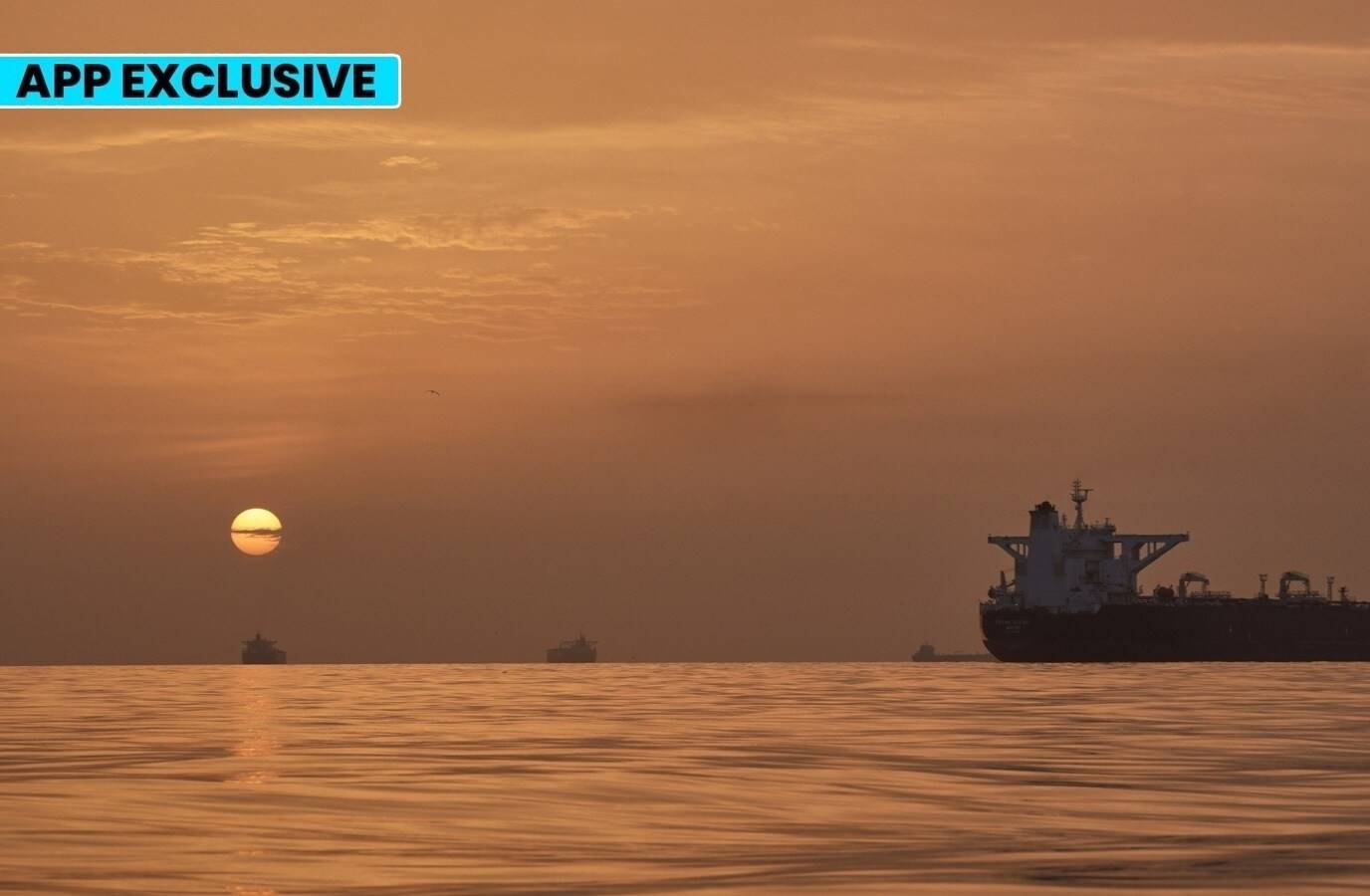
Data from shipping analytics firm Kpler shows that 20 tankers transited the Strait of Hormuz on Saturday alone. Meanwhile, nine ships have so far reportedly complied with orders to turn around, including a Chinese-owned vessel called the Rich Starry.
The Strait of Hormuz is Iran's biggest weapon, and the current war with the US and Israel has made it an existential factor for Iran. Iran has repeatedly asserted that it will not relinquish its control over the critical waterway, through which nearly one-fifth of global oil supply transits.
Iran's move to impose a tollbooth system in the Strait of Hormuz would yield billions of dollars if its authority persists. Reports from earlier this month suggested that Iran will charge a toll of $1 per barrel of oil and demand the sum in cryptocurrency from shipping companies to let their oil tankers transit the Strait.
The Strait is also a security guarantee for Iran -- a reality that became evident when its closure disrupted global energy supplies and sparked panic across the world. Tehran has ensured to show that any future military action against it would bring severe economic repercussions.