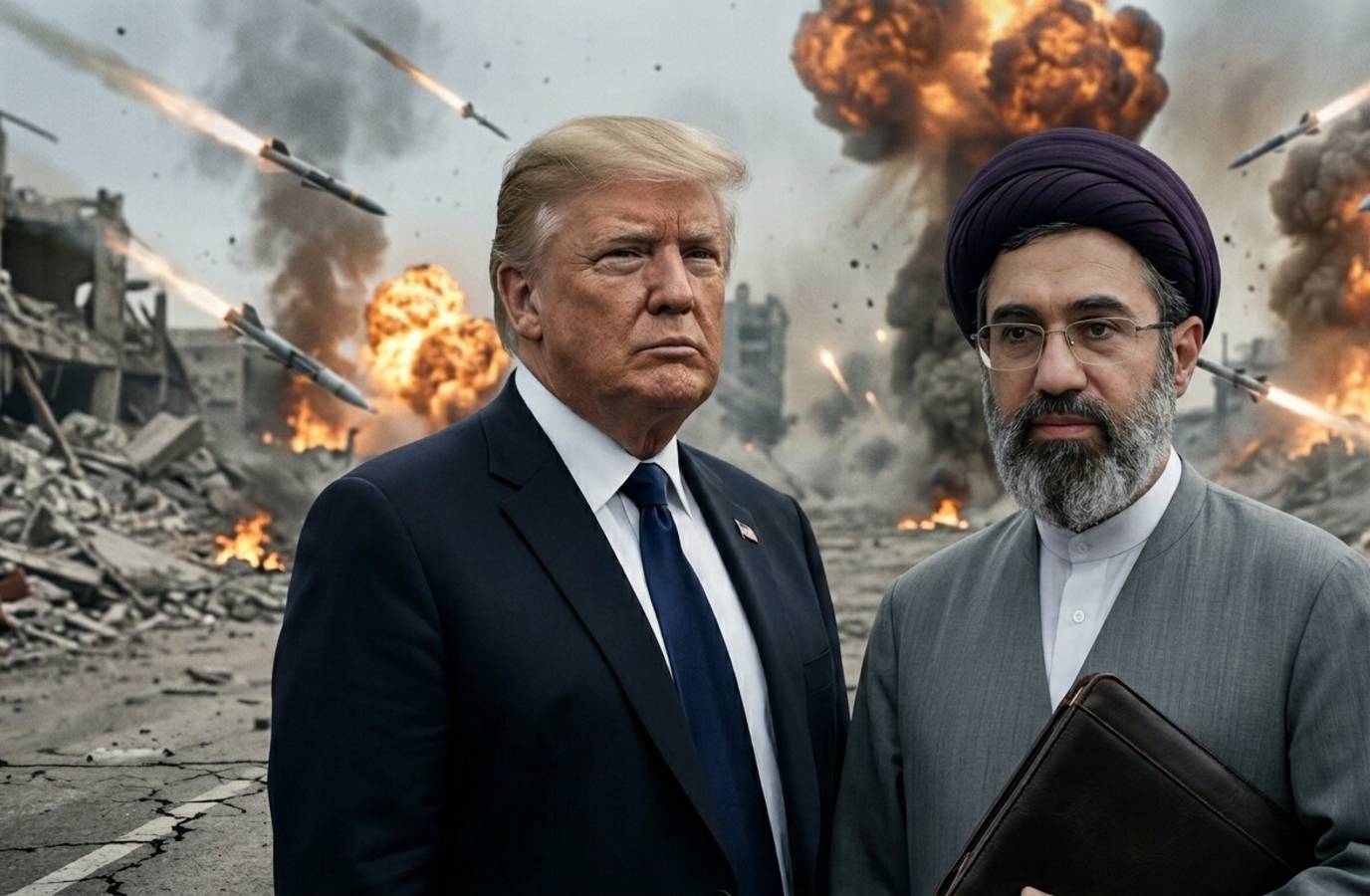
A 40-day conflict between the US, Israel, and Iran has ended with a ceasefire, but the war has left no clear winner, only devastation and uncertainty.
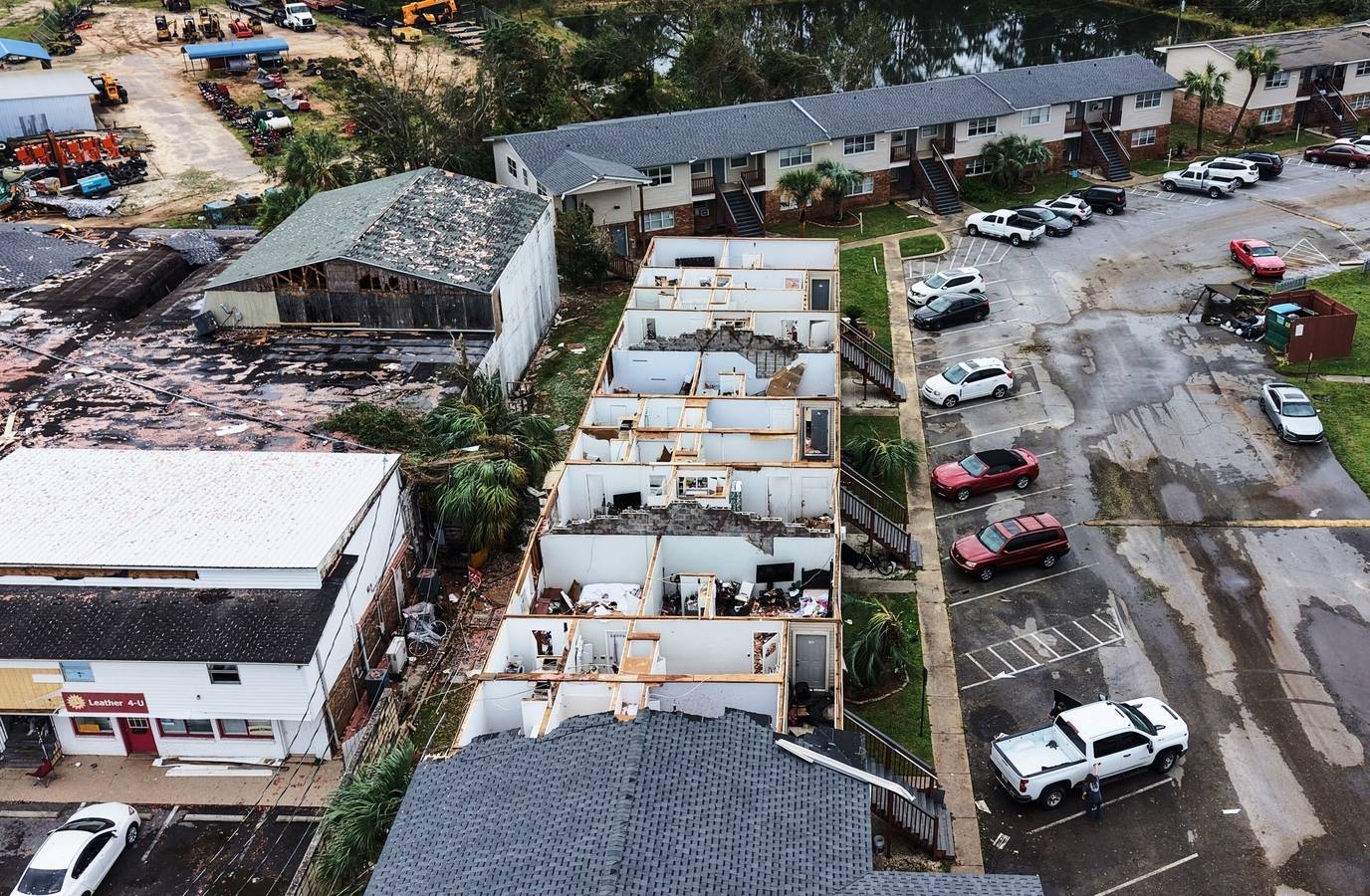
The war, which has been described as a stalemate, has seen trillions spent, hundreds of lives lost, and the Gulf region pummeled, but the core political and military objectives of the war remain largely unmet.
The US had originally sought regime change in Tehran and the enforced handover of Iran's enriched uranium stockpile to the International Atomic Energy Agency (IAEA), but those demands have effectively disappeared from the table.
Iran has neither collapsed nor capitulated, and its military capability and political will remain intact, despite being "pulverized" and reduced to rubble in many areas.
The clearest losers in this war are the Gulf countries, which have been devastated by Iranian missile and drone strikes, with limited capacity or political space to retaliate.
Pakistan has played a key role in the conflict, acting as a broker, messenger, and opportunist, and may now attempt to project itself as a kind of "Muslim NATO leader" in the region.
China has emerged from the crisis with strategic composure, having ensured continued oil supplies from the Persian Gulf and avoiding both the political exposure of direct involvement and the economic shock felt by energy-dependent economies elsewhere.
The ceasefire has brought economic relief for India, with calming energy markets and a potential for broader market recovery, but this comes with a strategic price tag, including the potential for the US to concede a critical maritime chokepoint to Tehran.
Looking ahead, the ceasefire is seen as a temporary pause, with Iran's 10-point proposal not including any cap on its ballistic missile programme, no commitment not to build nuclear weapons, and no pledge to hand over enriched uranium to the IAEA.