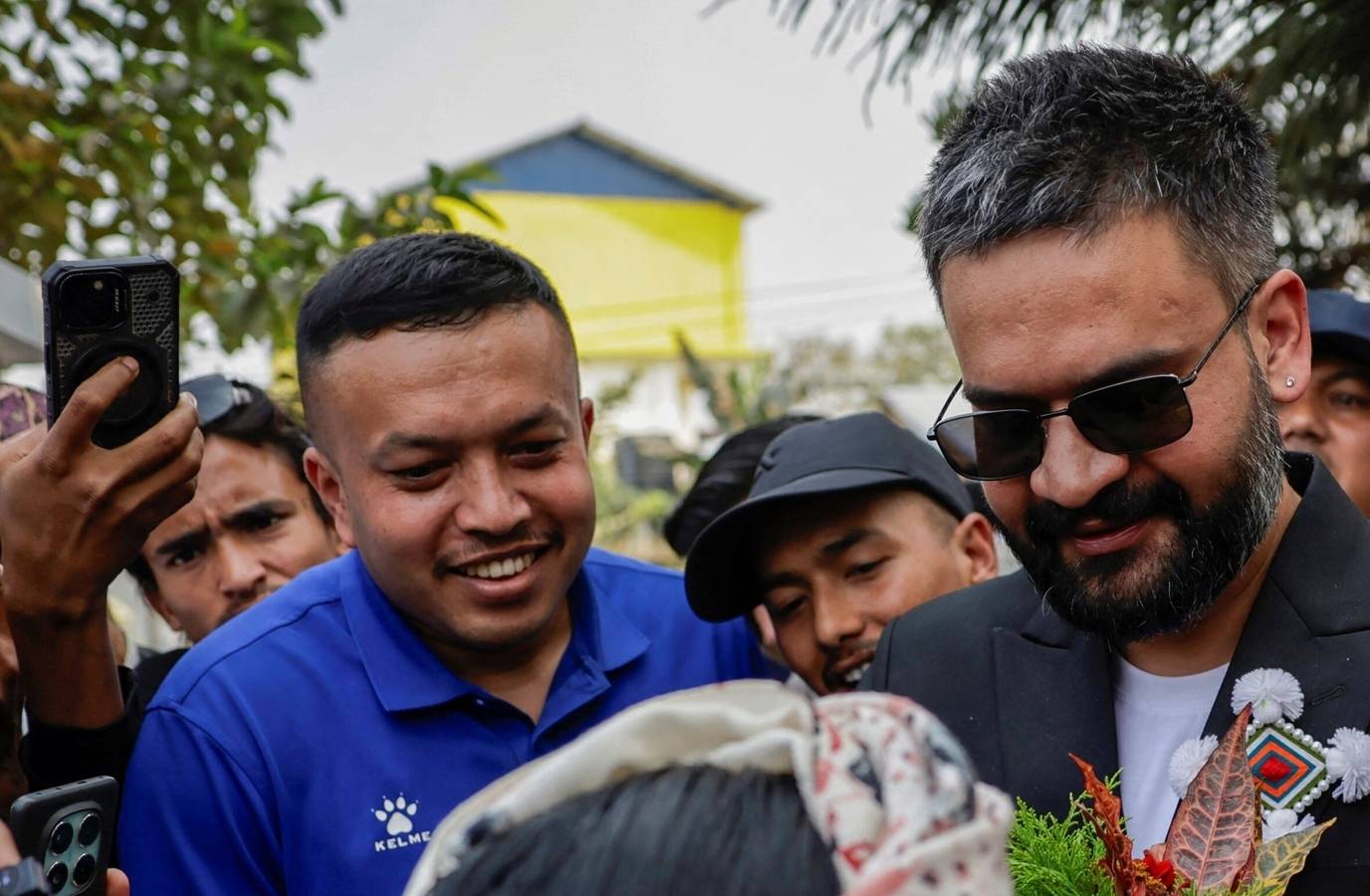
Nepal's latest election has brought an unusual story to the spotlight: a young rapper-turned-politician challenging the country's traditional political heavyweights. At the centre of this shift is 35-year-old Balendra Shah, widely known as Balen, whose campaign has captured national attention not only for its momentum but also for its communication strategy: "a speech every eight days".
Shah is the candidate for prime minister of the Rastriya Swatantra Party (RSP), which is leading the vote count. His campaign has been powered by a deliberate plan to deliver a major speech only once every eight days, allowing time for each message to spread and ensuring that its narrative remains clear and consistent.
The campaign's research department, overseen by an 11-member board and supported by about 300 party workers, manages multiple aspects of the campaign, including planning rallies, monitoring voter reactions on the ground, and producing a constant stream of digital content.
By spacing out major speeches every eight days, the campaign tried to ensure that its narrative remained clear and consistent, giving each message enough time to travel across the country, especially on social media. A team of around 660 people helped amplify these speeches online, ensuring that each address stayed in public discussion for days before the next one arrived.
The carefully spaced speeches were complemented by daily activity on the ground, including roadshows in five to seven districts each day, while Shah also made short appearances in one of Nepal's seven provinces to interact directly with voters.
The campaign has been powered by significant funding, with a large portion of that money coming from Nepalis living overseas, particularly those based in the United States. Individual candidates were also responsible for financing their own local campaign programmes.