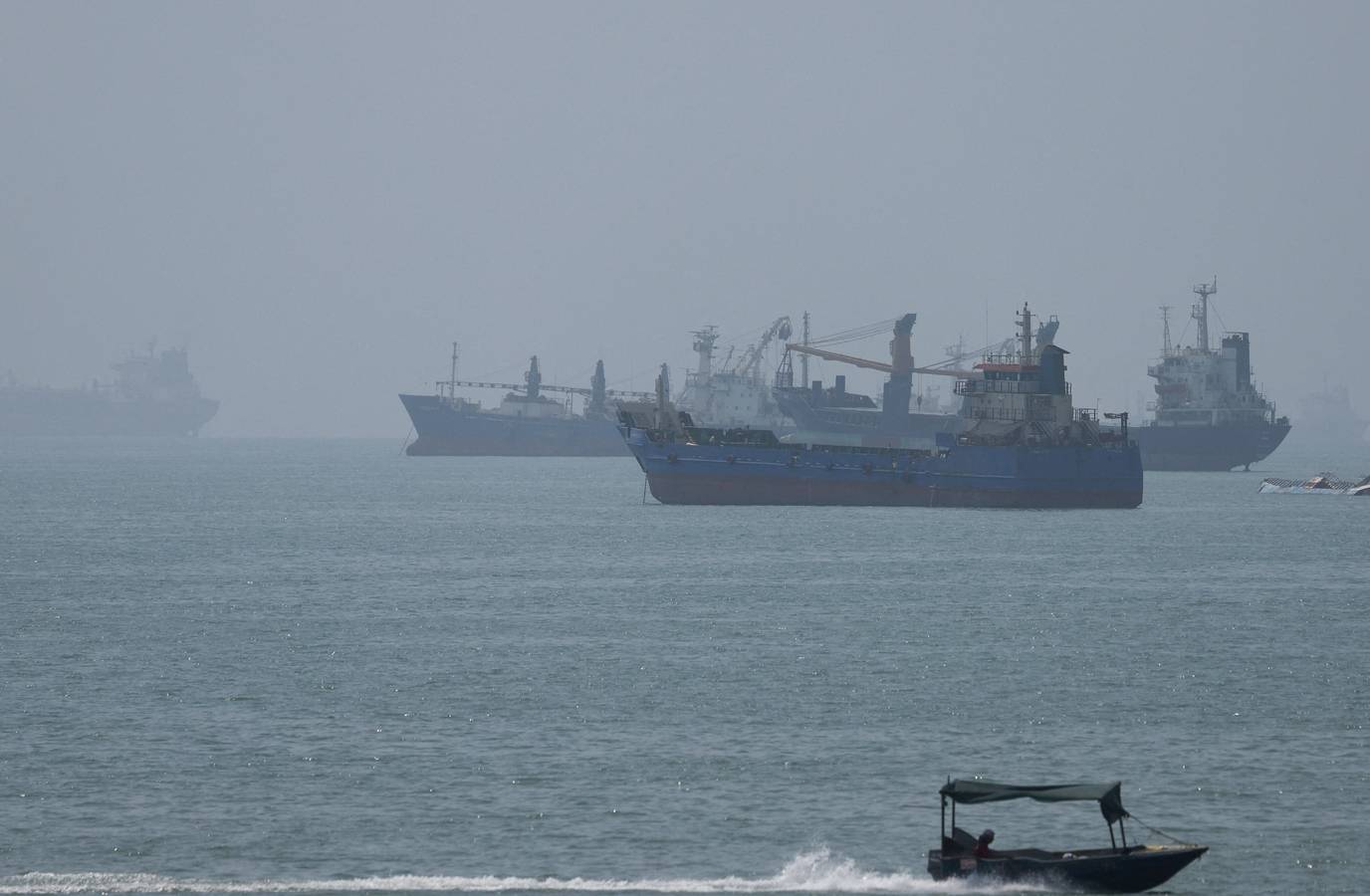
After weeks of diplomacy, the US-Iran peace deal remains deadlocked. The proposed memorandum of understanding (MoU) aims to reopen the Strait of Hormuz, extend the ceasefire to 60 days, and ease tensions across the Gulf. However, several major disputes are unresolved, including control over the Strait of Hormuz, Iran's nuclear programme, sanctions relief, and frozen assets.
The US wants free movement of ships without restrictions, while Iran wants to keep control and oversight of the waterway. Tehran also refuses to make commitments on uranium enrichment and highly enriched uranium, while the US and Israel want Iran to stop enrichment and give up its highly enriched uranium.
Iran wants US sanctions eased and frozen Iranian funds released immediately, while Washington says relief will come only after Iran fulfils conditions. The current proposal is only a framework or memorandum of understanding (MoU), with most difficult issues being delayed for future negotiations.
Israeli PM Benjamin Netanyahu's interference, disagreements over Lebanon, and uncertainty over how any ceasefire would actually work on the ground have also complicated the deal.
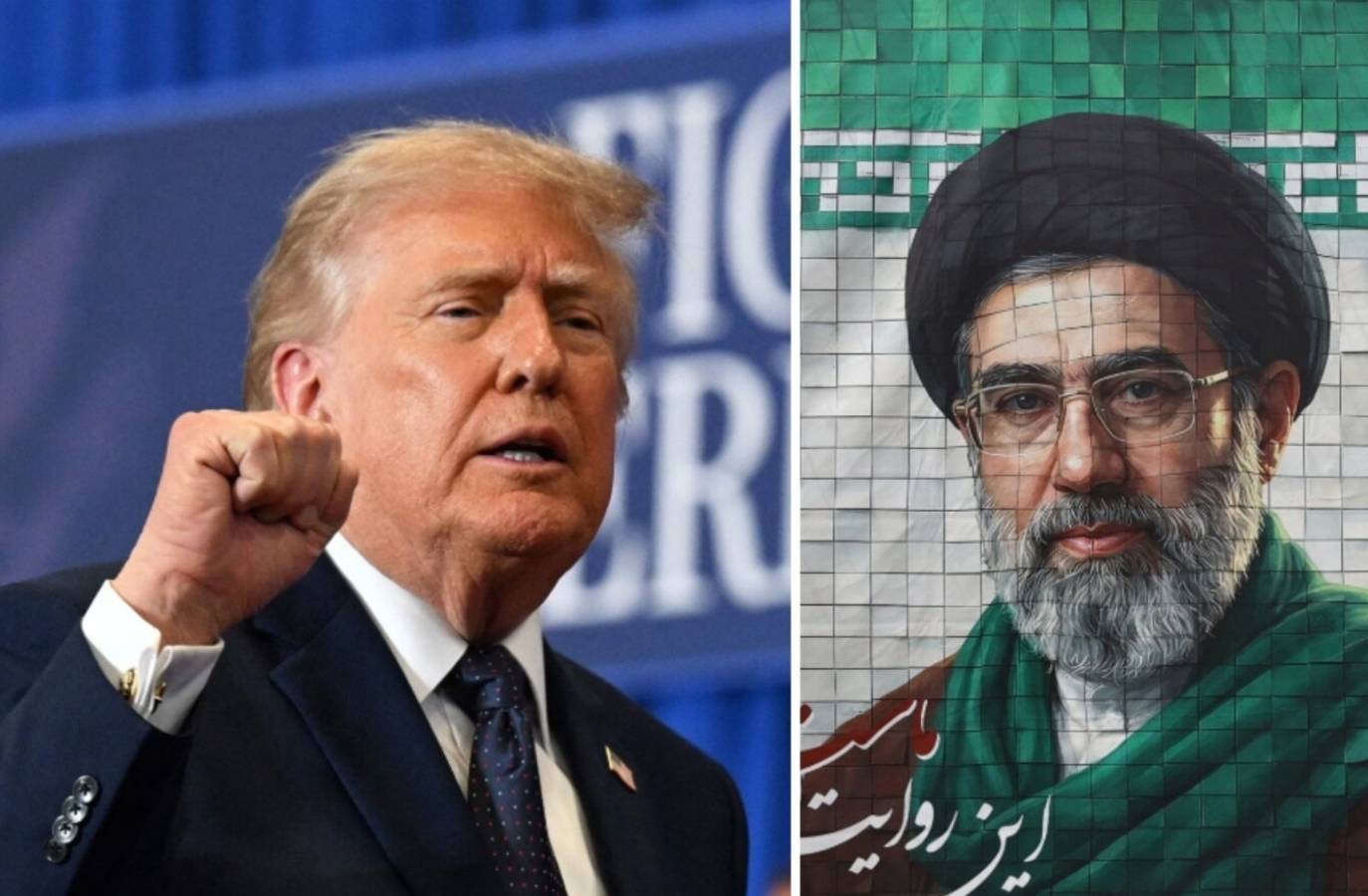
Despite progress, officials admit they remain "very close and very far" from an agreement. The deal is also complicated by the lack of trust between both sides, with Iran saying they do not trust the US after Donald Trump withdrew from the 2015 nuclear deal during his first term.