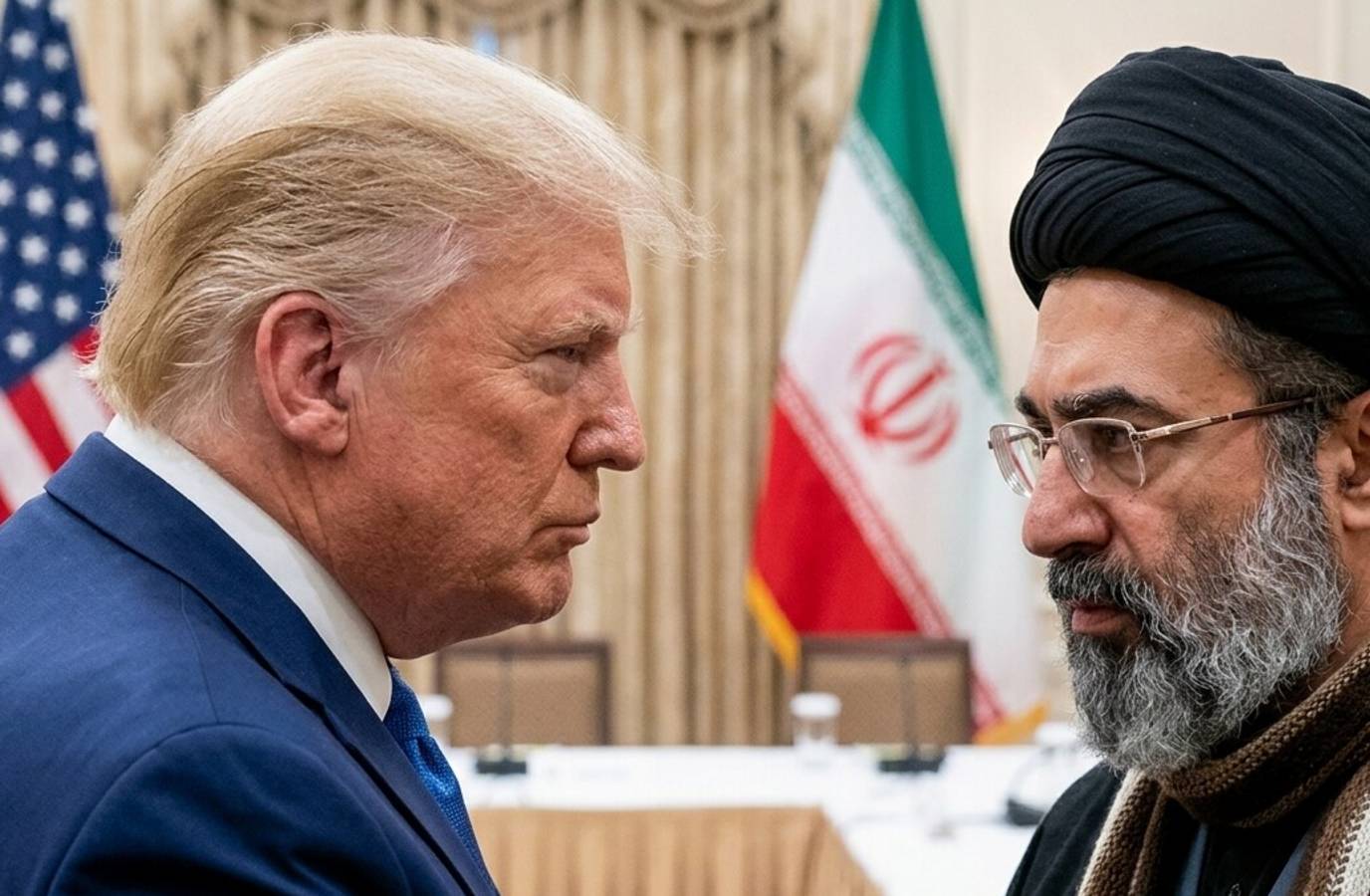
Negotiations between the US and Iran remain deadlocked, with both sides struggling to bridge differences as a fragile ceasefire nears expiry.
Tehran has reportedly declined to participate in a second round of negotiations over Washington’s “unrealistic” demands and the continued naval blockade of the Strait of Hormuz.
Despite claims of progress from Washington, Iranian officials insist a final agreement is still distant.
Three major issues are blocking a US-Iran peace deal: Iran's enriched uranium, the Strait of Hormuz standoff, and sanctions relief and frozen assets.
The US wants Iran to transfer or surrender its stockpile of highly enriched uranium, but Tehran has rejected this outright, demanding sanctions relief and access to billions of dollars in frozen funds instead.
Washington is also pushing for a long-term halt to uranium enrichment, while Iran insists it has the right to enrich uranium for civilian use under international agreements.
The Strait of Hormuz, vital for global oil shipments, is Iran’s most important bargaining chip to end the war.
The US wants immediate and unrestricted passage for commercial shipping, but Iran has tightened control over the waterway, slowed vessel movement, and said it may impose new conditions if the US naval blockade doesn’t stop.
Iran has been under heavy international sanctions for years and wants all US and global restrictions lifted as part of any deal.
US negotiators remain reluctant to agree to large concessions, particularly before concrete nuclear commitments are secured.