The fragile truce in West Asia is on the brink of collapse after the first direct talks between Iran and the United States in almost five decades failed to produce any breakthrough.
The 21-hour talks in Islamabad, brokered by Pakistan, left the door open for further engagements, but observers believe the US and Iranian teams have taken maximalist positions, making a resolution unlikely.
The US team, led by Vice President JD Vance, demanded that Iran commit to never seeking a nuclear weapon, while the Iranian delegation, led by Parliament Speaker Mohammad Bagher Ghalibaf, refused to give in to the demand.
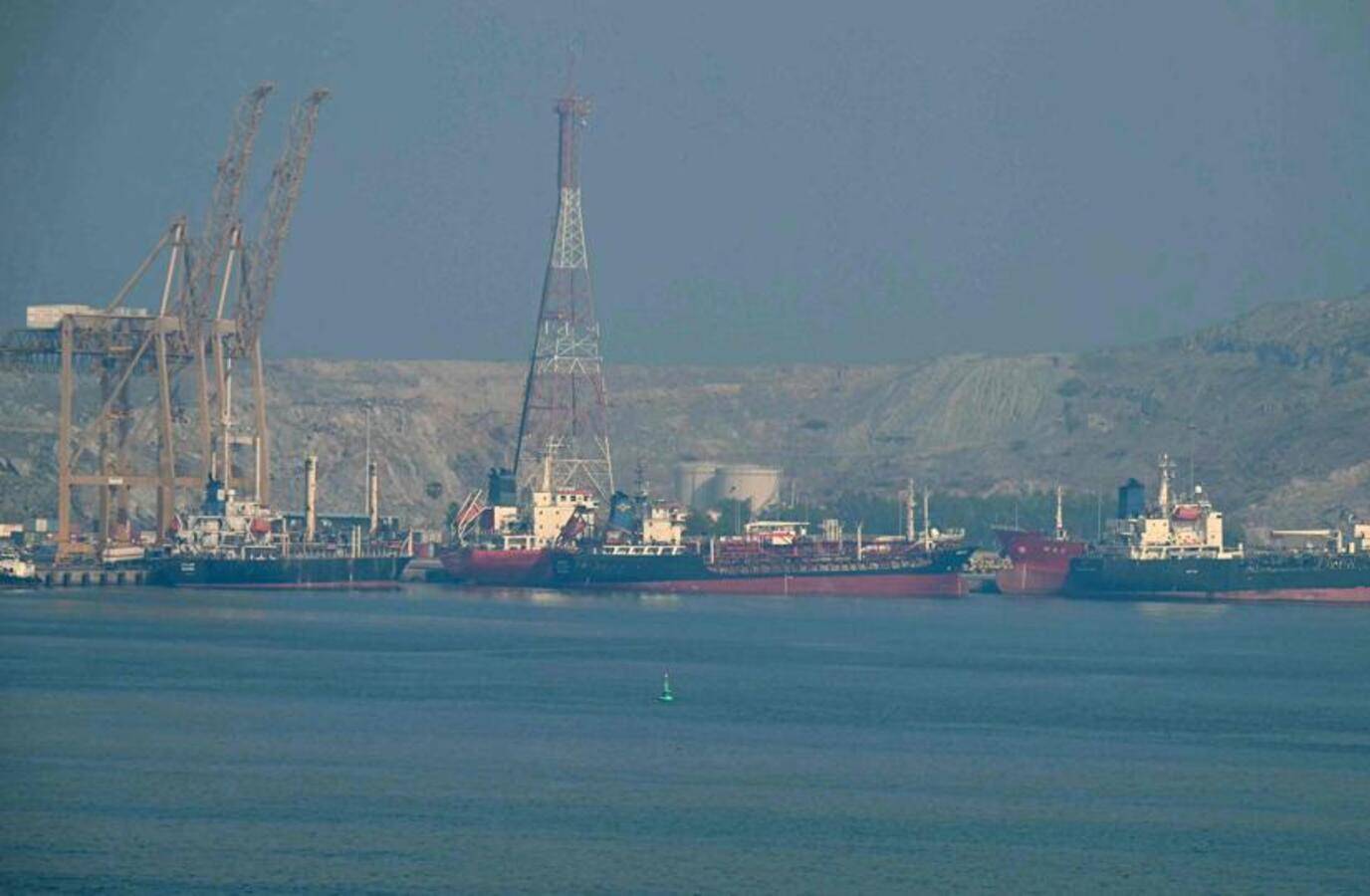
The talks were further complicated by US President Donald Trump's decision to blockade ships entering and leaving Iranian ports, a move that could trigger a fresh confrontation with Iran's Islamic Revolutionary Guard Corps (IRGC).
Iran's military has warned that no port in the Persian Gulf and the Sea of Oman will be safe if the US targets Iranian ports.
Experts believe the ceasefire between Iran and the US is valid for about another 10 days, allowing technical teams to work on proposals presented at the talks.
The US demands include zero percent enrichment of uranium by Iran and the opening of the Strait of Hormuz, while the Iranians want the removal of sanctions, unfreezing of their assets, and an enduring ceasefire.
Differences between the US and its European allies over the West Asia conflict have become more pronounced, with the UK and Italy refusing to support a US blockade of Iranian ports.