Buddha's Relics Return Home: Unveiling the Ancient History of Piprahwa
Buddhism, which was born in the Gangetic plains around 2,500 years ago, has won over the world with its ideology of compassion and commensality| India News
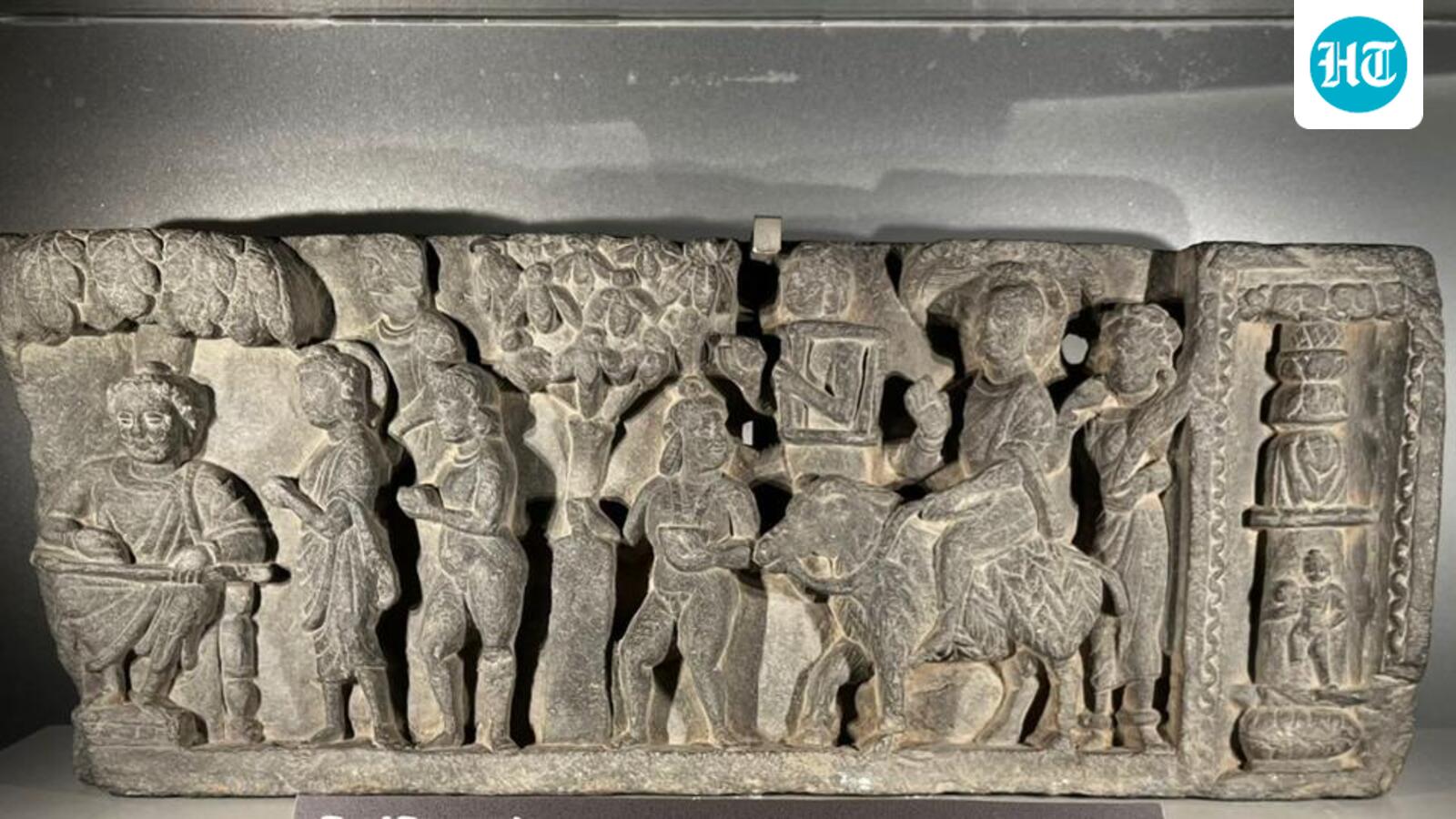
For centuries, Buddhism has been India's most enduring export, spreading its message of compassion and non-violence to every corner of the world. Now, a portion of the Buddha's relics has been returned to India, offering a unique opportunity to explore the rich history behind this ancient faith. The Buddha's teachings, born in the Gangetic plains around 2,500 years ago, have captivated the world with their simplicity and profundity.
Gautam Buddha, born as Prince Siddhartha in the Shakya clan, grew up in the Terai region straddling the border between India and Nepal. His passing in Kushinagar, near Gorakhpur, sparked a struggle between various principalities vying for control of his cremated remains, or sarira. An agreement was eventually reached to divide the relics among eight principalities, including the Shakya clan.
The Shakyas commissioned a massive dome-shaped funerary memorial in their capital, Kapilavastu, where they deposited precious offerings in a three-tonne sandstone coffer. The Sanchi stupa near Bhopal depicts the struggle between these principalities, showcasing the significance of the Buddha's relics.
The division of the relics was documented in the Maha-parinibbana suttanta, which dates back to the fifth century BCE. The eight principalities involved were Magadha, Vaishali, the Shakyas of Kapilavastu, the Bulis of Allakappa, the Koliyas of Ramagama, the Mallas of Pava, and the Mallas of Kushinagar or Kusinara. The Moriyas of Pipphalivana also received the Buddha's ashes, and Drona, the Brahmin negotiator, was given the vessel in which the Buddha's body was cremated.
Two hundred years later, Emperor Ashoka excavated and further divided the relics, housing them in many more stupas throughout his empire. The story of Ashoka's actions has been debated for its historical authenticity, but the significance of his role in spreading Buddhism cannot be overstated.
In the 1890s, a British entrepreneur, William Claxton Peppé, excavated a stupa on his estate in Piprahwa, uncovering a massive stone coffer containing the Buddha's relics. The excavation revealed a substantial quantity of ashes and bone fragments, accompanied by an inscription in Brahmi script that explicitly identifies the depositors as members of the Shakya family.
The Piprahwa stupa is a testament to the enduring legacy of the Buddha's teachings, which have captivated the world for centuries. The return of the Buddha's relics to India is a significant moment in the country's history, offering a unique opportunity to explore the rich history behind this ancient faith. The Buddha's message remains India's unique treasure, and it is good to have some of it back, even though Buddhism long ago waned in India.