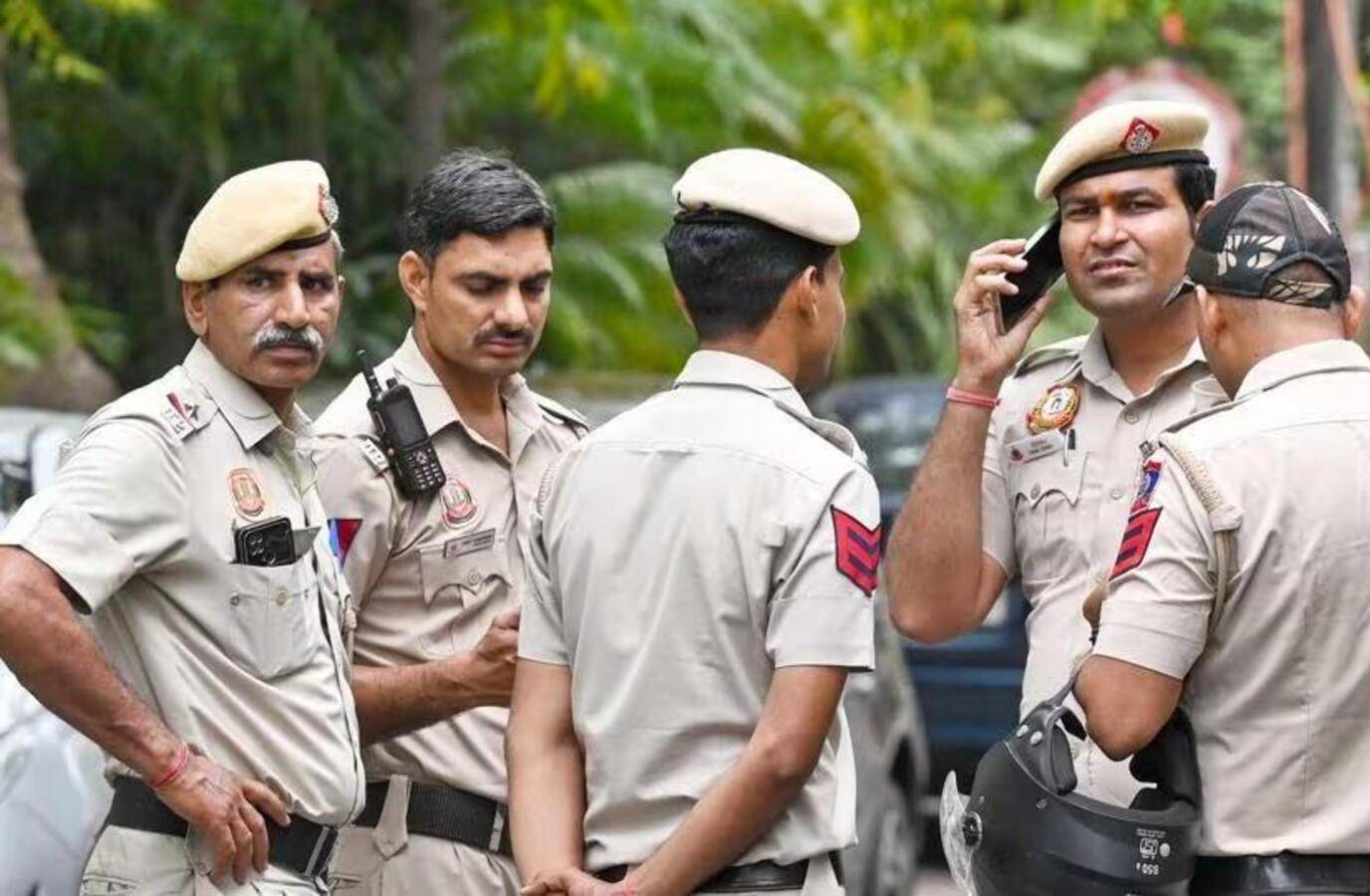
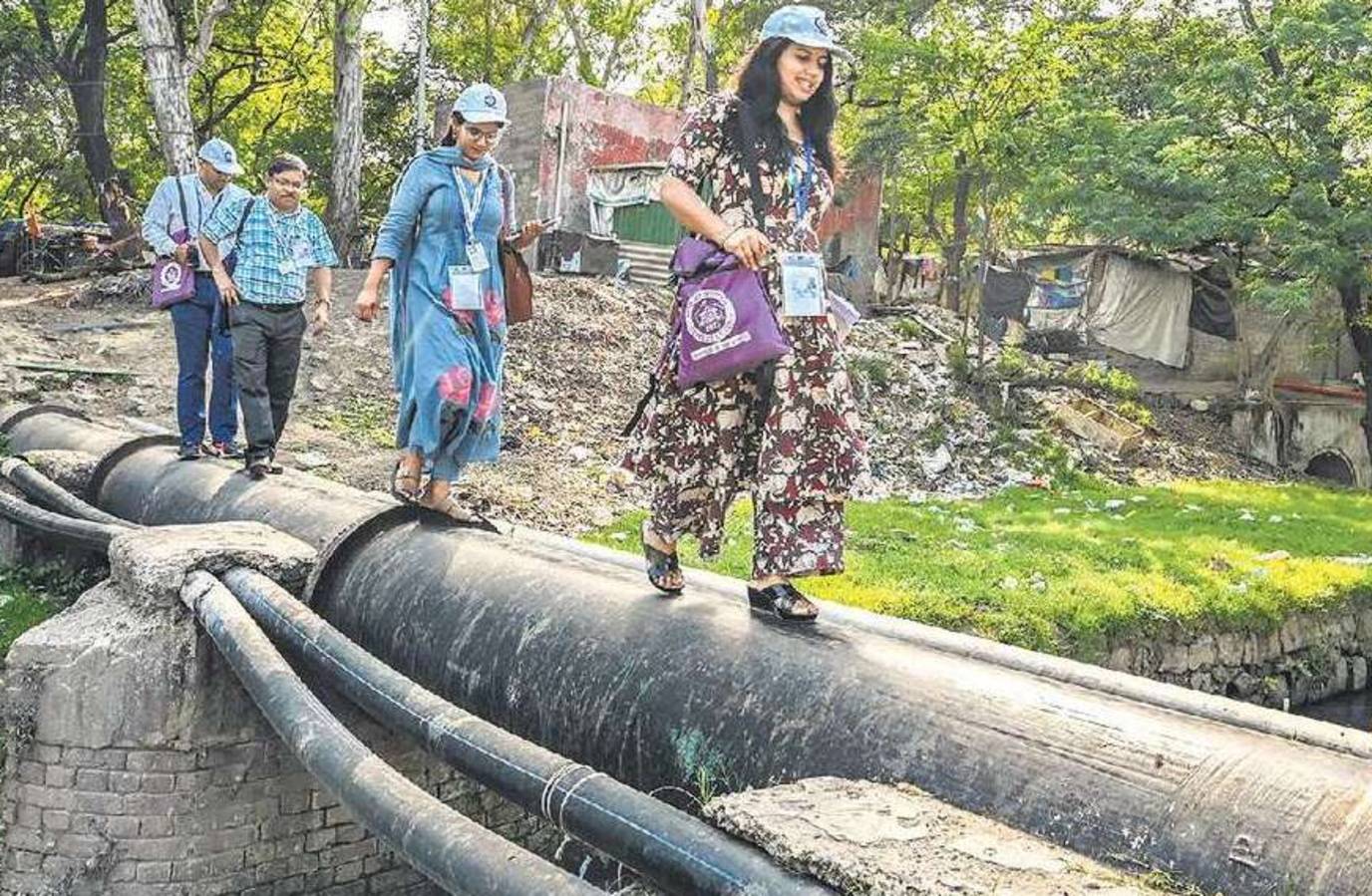
Under a scorching April sun, hundreds of government school teachers fanned out across Delhi, marking the start of the 2026 Census. The teachers, armed with identity cards, phones, and notebooks, navigated through tree-lined avenues and crowded bylanes, collecting data on housing conditions, amenities, and household assets.
For many teachers, this was not the start of the day, but the second shift of a long one. They encountered human hesitation, logistical roadblocks, and personal risk as they collected data. Vijay Singh, a seasoned enumerator, described how the process has evolved, from bulky registers to digital tools, but noted that the efficiency has not reduced the workload.
The houselisting phase, which began this month and will continue till September 30, involves collecting detailed information through a 33-question schedule. This data forms the backbone of policy planning and welfare targeting. For the first time, the process has been preceded by a 15-day self-enumeration window, allowing residents to submit their data online before the enumerator's visit.
Enumerators faced challenges, including reluctance among residents to share details, and additional restrictions in VVIP areas. They also encountered gaps in pre-listing, with houses marked earlier but unoccupied, and shops and kiosks left out entirely.
Teachers like Manorama Yadav, who are assigned to the Census, have stretched their already demanding routine to its limits. They often juggle multiple roles, including election duties, voter list revisions, and administrative work, with minimal pay. The Census is only the latest in a long list of non-teaching responsibilities assigned to government school teachers.