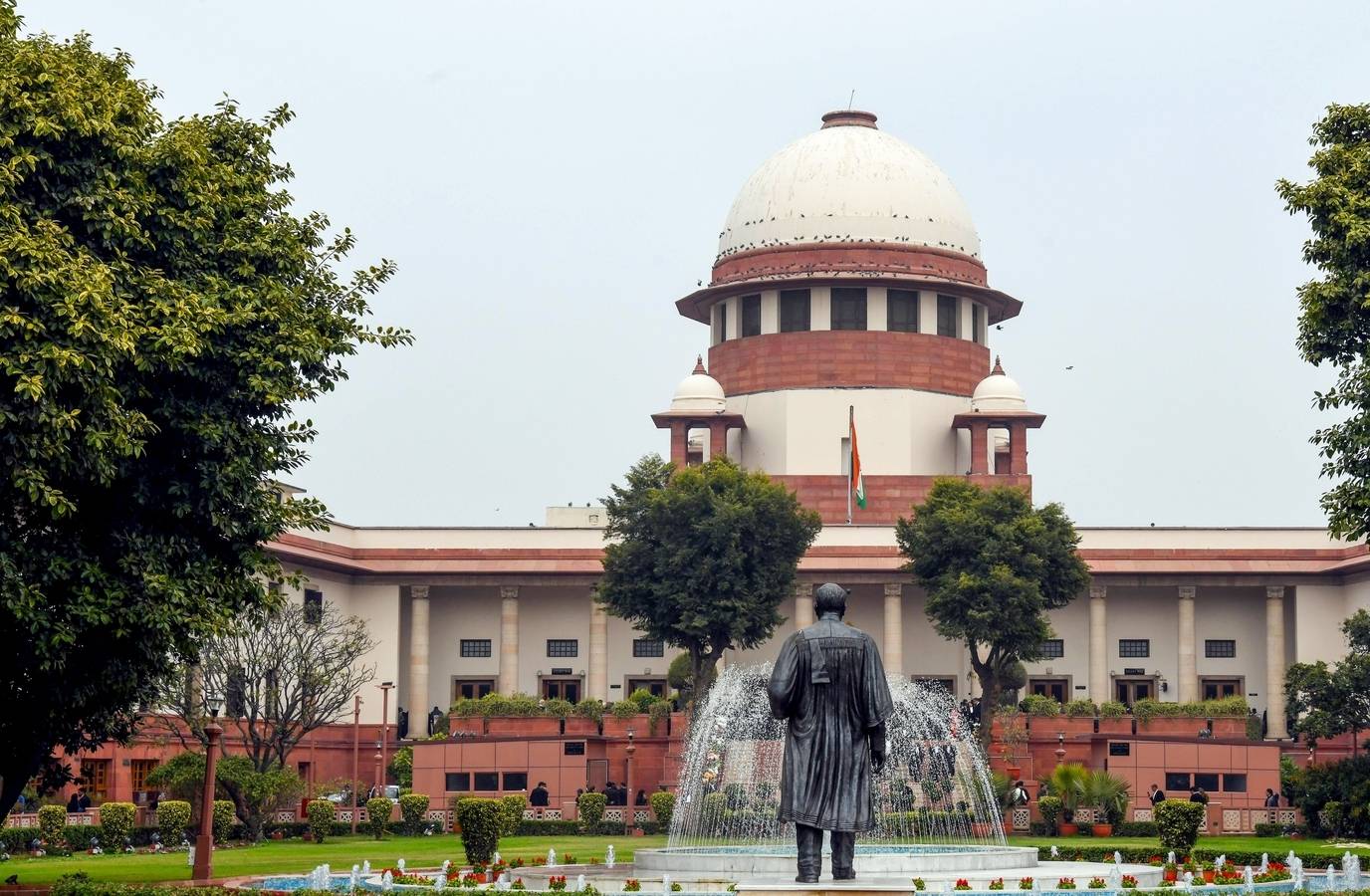
The Supreme Court's recent ruling on Scheduled Caste benefits has shed light on a quieter, more painful story – that of individuals who have been denied their rightful benefits due to fraudulent caste certificates. The numbers are staggering, with over 14,000 fraudulent caste certificates cancelled in Maharashtra between 2008 and 2017, and 70–80% of Christian pastors in Andhra Pradesh holding Hindu SC or OBC certificates despite undergoing baptism.
A Unified Civil Registry for Faith would convert what is currently a private act with public consequences into a formally recorded civil event, linked to Aadhaar and existing certificate databases. This would significantly reduce reliance on litigation and manual verification, allowing quota seats in colleges, government appointments, and legislative constituencies to be screened in real time.
Two guardrails are essential for making this work equitably and at scale: a periodical active practice affidavit for high-stakes benefits, and robust privacy protections to ensure that the tool serves justice and does not become a new instrument of surveillance or harassment.
India has built digital infrastructure that has successfully connected identity to entitlement at scale, and a faith registry is the logical next step. Building this registry is how we make good on the promise of the Constitution to uplift marginalized communities.