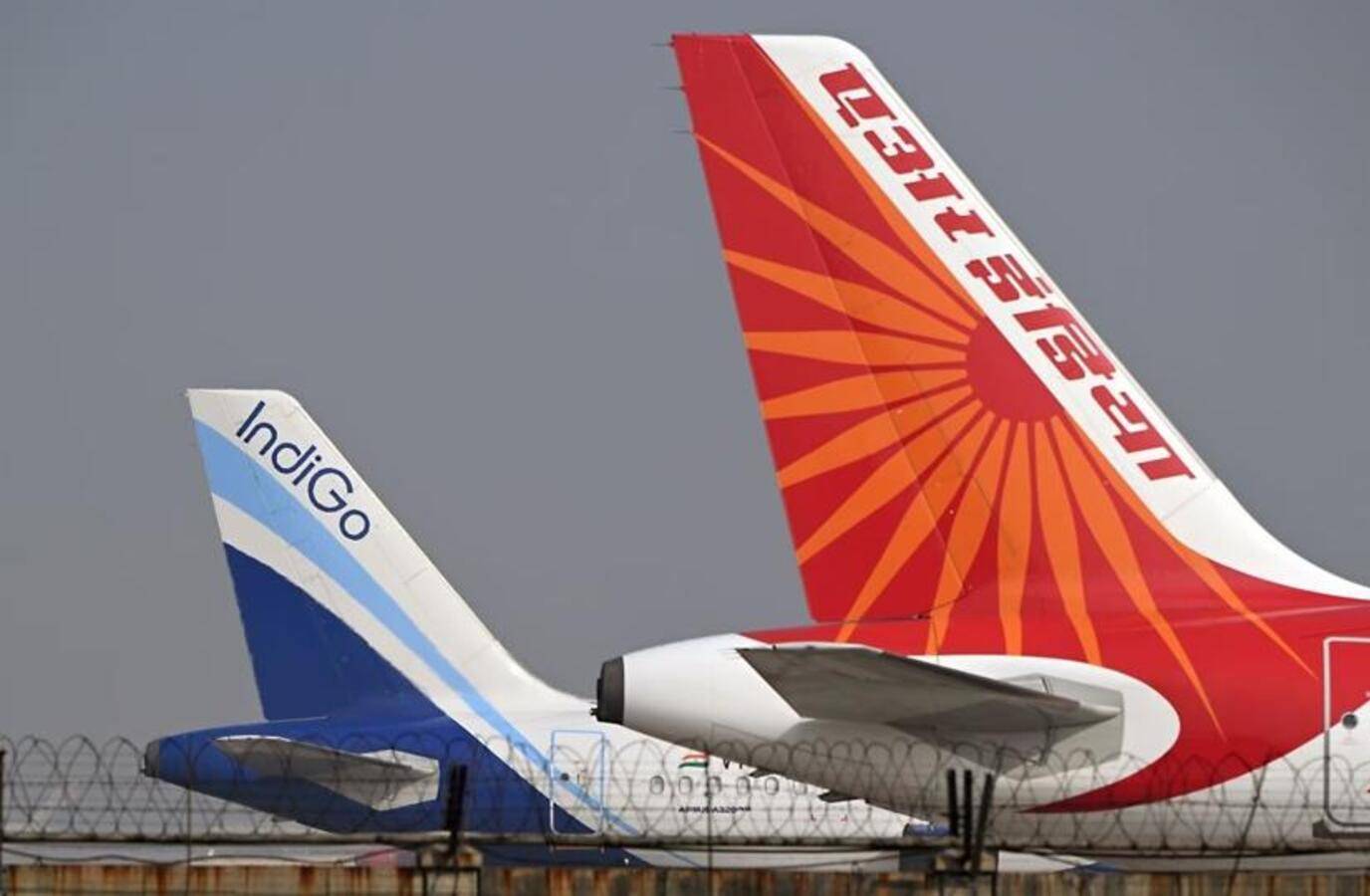
India's aviation sector is facing a tumultuous period, with escalating tensions in West Asia and rising fuel prices taking a toll on airlines.
A recent ICRA report had estimated a 6-8% growth in domestic air passenger traffic and 8-10% growth in international air passenger traffic for 2026-27.
However, the closure of air space over West Asia has led to the cancellation of 1770 flights, almost 50% of the total international flights for Indian carriers.
Airlines have introduced a phased fuel surcharge on domestic and international flights to mitigate the spiralling rise in oil prices.
The authorities in India have swung into action, urging the government to reduce excise duty or Goods and Services Tax (GST) on Aviation Turbine Fuel (ATF) to combat rising costs.
Airline sources say that refinery margins have skyrocketed and that taxes on fuels need to be fixed instead of ad valorem.
The Directorate General of Civil Aviation (DGCA) is working with operators to allow extra, non-scheduled, and additional arrival and departure slots.
Passengers remain fearful about aircraft safety in the war zones, and rerouting by managing airspace restrictions and helping carriers is already in motion.